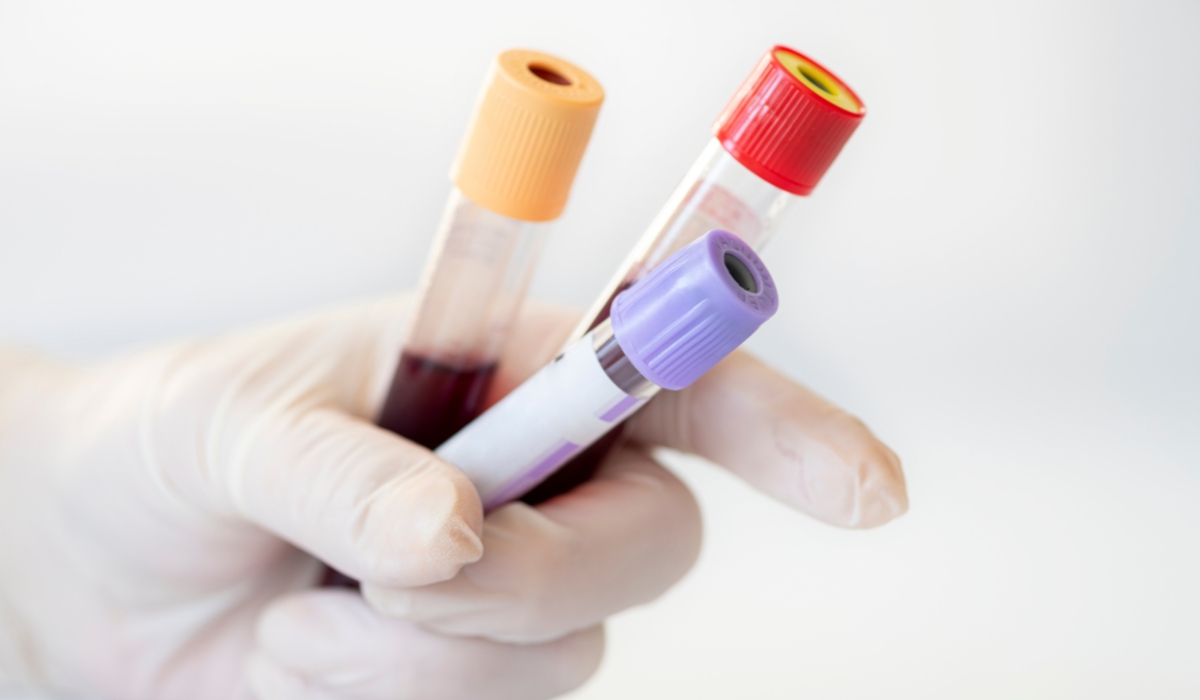
Before IV iron, we need to confirm that iron deficiency is present and plan dosing safely. After IV iron, we need follow-up testing at the right time to confirm the response.
The Core Blood Tests
Usually required within 4 weeks
1) Full Blood Count (FBC)
- Haemoglobin (Hb)
- Red cell indices (MCV/MCH)
This helps determine whether anaemia is present and whether the blood picture is consistent with iron deficiency.
2) Ferritin
Ferritin reflects iron stores and is often the most useful marker.
3) Transferrin saturation (TSAT) / iron studies
TSAT can help confirm iron deficiency, especially if ferritin may be falsely normal.
4) CRP (if inflammation is suspected)
Inflammation can raise ferritin, masking iron deficiency. CRP helps interpret results.

Additional tests we may recommend (case-dependent)
- B12 and folate (if macrocytosis, neuropathy symptoms, dietary risk, mixed deficiency picture)
- U&E/eGFR (especially CKD, multiple comorbidities)
- Liver function tests (if liver disease or medication concerns)
- If the cause is unclear, further investigation may be advised (e.g., coeliac screening, GI evaluation, menstrual history and bleeding assessment)
Pregnancy is a special situation
At The Health Suite, we do not provide IV iron infusions during pregnancy. If pregnancy is possible, tell us—your care should be coordinated via NHS maternity services.
When to repeat blood tests after IV iron
A common error is checking too soon.
As a practical rule:
- Repeat Hb and iron markers no earlier than 4 weeks after the final dose
- Many patients recheck at 6–8 weeks for a clear picture of repletion
What we typically recheck
- FBC (Hb and indices)
- Ferritin
- TSAT (or iron studies)
- Additional tests depending on medication/pathway (e.g., phosphate monitoring where appropriate in Ferinject pathways)
Next steps
If you have recent results, you can upload them when enquiring. If you don’t, we can arrange blood tests at The Health Suite before booking an infusion.