
Intravenous Iron Infusions for Young People (Ages 14–18) in Leicester
Treatment options and pricing
Browse and click below to book any of our available services.
Search services
Paediatric Initial Appointment
Paediatric initial appointment includes specialist consultation, review of history and blood tests, dose planning, and safety discussion for IV iron.
IV Iron Infusion for Young People
IV iron infusion for young people (14–18). Dose depends on weight and iron deficit, delivered safely with monitoring by trained clinicians.
IV Iron Infusion Screening Blood Test
IV Iron Infusion screening includes FBC, ferritin, TSAT, UE, CRP, and phosphate to assess iron status, inflammation, and overall readiness.
No matching items found.
Specialist IV iron infusions for teens - restoring energy, focus, and wellbeing safely in Leicester.
Teenage iron deficiency can significantly affect energy, school performance, mood, and sports. If iron tablets aren’t suitable, haven’t worked, or absorption is reduced, intravenous (IV) iron can be a reliable way to restore iron levels. At The Health Suite Leicester, our 14–18 IV iron pathway is specialist-led: consultations are led by a paediatric gastroenterologist, and infusions are delivered by trained clinicians in a fully equipped medical environment with appropriate monitoring.
Who this service is for
This service may be appropriate for young people aged 14–18 with confirmed iron deficiency (with or without anaemia) where:
- Oral iron has not worked or is not tolerated
- Rapid iron repletion is clinically important
- Absorption is reduced (e.g., coeliac disease, inflammatory bowel disease)
- There is ongoing iron loss (e.g., heavy menstrual bleeding)
We focus not only on replacing iron, but also on assessing why iron is low, so recurrence risk can be reduced.
Important exclusions and deferrals
We may not be able to treat or may defer treatment if the young person:
- Is currently pregnant or may be pregnant
(We do not provide IV iron infusions during pregnancy. Please seek care via NHS maternity services.)
- Has had a serious allergic/hypersensitivity reaction to IV iron
- Has iron overload or suspected iron overload
- Has an active infection (treatment is usually deferred)
- Has anaemia not been caused by iron deficiency (other causes must be assessed)
Why we use Ferinject® (ferric carboxymaltose) for ages 14–18
For patients aged 14–18, we use Ferinject® (ferric carboxymaltose) because it has established dosing guidance and clinical data in children and adolescents and is widely used in hospital practice.
Our adult service primarily uses Monofer®; however, Monofer is not recommended for children/adolescents under 18 due to insufficient safety/efficacy data. This is why we run separate adult and young people pathways.
Book a consultation at The Health Suite Leicester today and take the first step toward restoring your iron levels and vitality.
Watch to learn more about this treatment
Watch expert videos on your treatment to understand the benefits, process, and what to expect before your consultation.
IV Iron Infusions for Teenagers | Iron Deficiency & Treatment | The Health Suite Leicester
Want to book a Young Person IV Iron Infusion??
Complete the online form to check your suitability, and a member of our team will be in touch shortly.
Intravenous Iron Infusions at The Health Suite
Blood Tests Required (and when)
To proceed safely, we require recent blood tests (usually within 4 weeks). If you don’t have these, we can arrange testing at The Health Suite.
| Before Treatment (usually within 4 weeks) | Core tests: Full Blood Count (FBC). Ferritin and TSAT / iron studies. CRP if inflammation is suspected. Phosphate (baseline) – important with ferric carboxymaltose infusions. |
| Additional Tests | Vitamin D / calcium / ALP (where clinically indicated, especially if dietary restriction, malabsorption, or bone symptoms). Coeliac screening or further GI investigations may be recommended depending on history and symptoms. |
| After Treatment | Repeat Hb, ferritin and TSAT usually around 6–8 weeks. Phosphate recheck timing depends on dose and risk factors, and is discussed during consent. |
Phosphate Monitoring (Important Information)
Ferinject® can cause low phosphate (hypophosphataemia) in some patients. In rare cases, clinically significant low phosphate can lead to bone pain and complications such as osteomalacia.
Our specialist pathway includes:
- A phosphate risk assessment
- Baseline phosphate testing (and follow-up testing when clinically indicated)
- Clear advice on what symptoms to report and when to seek medical review
How many doses might be needed?
Some young people will need one infusion; others may require two, depending on weight and iron deficit.
For safety, there are limits on how much ferric carboxymaltose can be given within a week. If a second infusion is required, we will plan the timing and monitoring with you.
What happens at your appointment
Specialist consultation, IV iron infusion, and follow-up blood testing with monitoring and aftercare from experienced clinical staff.
-
Specialist consultation (paediatric gastroenterologist lead)
- Symptoms, history, menstrual history (where relevant), diet, GI symptoms, and underlying causes
- Review of blood tests and suitability
- Dose planning, consent, and safety discussion
-
Infusion appointment
- Cannulation and IV iron delivered by trained clinicians
- Monitoring during the infusion
- Observation after the infusion (typically at least 30 minutes)
-
Aftercare and follow-up
- Written aftercare advice
- Follow-up blood test plan (including iron markers and phosphate when needed)
- Communication to GP/primary care if appropriate
What we treat
At The Health Suite Leicester, our private medical clinic offers expert care whenever you need it. Our team of experienced GPs and healthcare professionals provide personalised diagnosis and treatment for a wide range of medical conditions, ensuring high-quality, professional care in a comfortable setting.
Click below to view useful info on a few of the common conditions we treat:
-
Iron Deficiency in Adolescents
Support your child's daily development. We assess and treat confirmed iron deficiency in young people, particularly where low energy levels are actively affecting schoolwork, sports, and normal daily functioning.
-
Iron Deficiency Anaemia
Restore healthy blood levels rapidly. When low iron drops into clinical anaemia, intravenous iron can restore your child's vital levels much more quickly and effectively than standard tablets in selected cases.
-
Heavy Menstrual Bleeding–Related Iron Loss
Protect teenage health. Adolescent girls experiencing significant menstrual blood loss can benefit from targeted IV iron when traditional oral supplements are insufficient to rebuild their stores.
-
Oral Iron Intolerance
Eliminate painful digestive issues. For children and teenagers who simply cannot tolerate daily iron tablets due to severe side effects, IV iron provides a safe, highly effective alternative under specialist supervision.
-
Persistent Symptoms Despite Treatment
Move past stalled progress. If severe fatigue, sudden dizziness, or poor concentration continue despite regular oral therapy, a dedicated, paediatric-led IV pathway may be appropriate.
-
many more
Our clinicians manage a broad spectrum of conditions, and individual assessment allows us to tailor care beyond the examples listed. We encourage you to book a consultation to discuss your symptoms and appropriate treatment options.
Symptom checker
If you are experiencing any of these symptoms, please book an appointment with us. Symptoms can vary from person to person and from condition to condition. A proper diagnosis can only be made through a thorough medical examination.
Our clinicians will carry out a full assessment to ensure an accurate diagnosis and appropriate care.
-
Is your child constantly tired despite adequate sleep?
Ongoing fatigue, low energy, or reduced motivation may be linked to iron deficiency, even if anaemia is mild.
-
Does your child feel dizzy, faint, or short of breath during normal activities?
Low iron can reduce oxygen delivery to the body, causing breathlessness or light-headedness.
-
Has school performance or concentration declined?
Iron deficiency can affect attention, memory, and mental clarity in teenagers.
-
Does your child have heavy periods?
Heavy menstrual bleeding is a common cause of iron deficiency in adolescent girls.
-
Has oral iron caused stomach upset or not improved levels?
Some young people cannot tolerate iron tablets due to nausea, constipation, or poor absorption.
-
Are blood tests showing low ferritin or iron levels?
Low iron stores confirmed on blood tests may require specialist assessment and treatment.
Why choose The Health Suite for Intravenous Iron Infusions for Young People (Ages 14–18)?
Choose The Health Suite Leicester for expert, personalised healthcare, fast access to specialists, advanced diagnostics and exceptional patient care.
-
Specialist-Led Paediatric Care
Consultations are led by a paediatric gastroenterologist, ensuring expert assessment of symptoms, iron deficiency causes, and safe treatment planning tailored to young people.
-
Comprehensive & Safe Infusion Pathway
IV iron is delivered in a fully equipped medical setting by trained clinicians, including pre-infusion assessment, dose calculation, monitoring during the infusion, and observation afterwards.
-
Follow-Up & Ongoing Support
Aftercare includes a clear follow-up plan with repeat blood tests, phosphate monitoring, guidance for dietary and lifestyle factors, and communication with the GP to reduce recurrence risk.
Advice from the experts
Read clear, expert advice from our clinicians, offering trusted advice, clinical insight, and practical guidance to help you understand your treatment and care options.



Have a query about Intravenous Iron Infusions for Young People (Ages 14–18) at The Health Suite Leicester?
We recognise that getting the healthcare assistance you need can be difficult. So if you have a query, feel free to contact us and one of our treatment co-ordinators will be happy to help. We aim to reply to all queries within 24 hours (Mon – Fri).
Meet our Intravenous Iron Infusions for Young People (Ages 14–18) Clinicians
Meet our dedicated team at The Health Suite Leicester, where skilled professionals are committed to providing exceptional care tailored to your medical and wellness needs.

Dr Hema Kannappan
Common Q&A about Intravenous Iron Infusions for Young People (Ages 14–18)
Our FAQ section is designed to address common questions you may have, from how our treatments work to what you can expect during and after your session.
Our team is always available to provide additional support if you need more personalised guidance, ensuring that you feel informed and confident every step of the way.
You may also be interested in the following
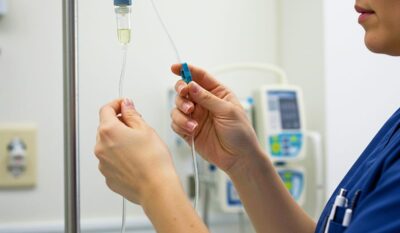
Intravenous Iron Infusions for Adults (18+)
Fast, doctor-led intravenous therapy to treat severe iron deficiency, anaemia, and chronic exhaustion.

IV Vits and Drips
Discover premium private IV vitamin therapy in Leicester. Boost your energy, support immunity, and rehydrate with safe, doctor-led nutrient drips.

Vitamin Blood Tests
Private Vitamin Blood Tests in Leicester. Fast, accurate laboratory screening for Vitamin D, B12, folate, and ferritin for optimal physical energy.