A diagnosis of young-onset dementia changes everything, and yet in many respects, it changes nothing all at once. The person receiving the diagnosis is still the same person they were the day before. Their relationships, their sense of self, their hopes for the future and their capacity for joy remain.
What has changed is that they now have a name for what has been happening, and with that name comes both the weight of what it means and the beginning of the possibility of managing it well. Young-onset dementia, defined as dementia with onset before the age of 65, presents a distinct set of challenges that differ meaningfully from those faced by older adults with the same condition [1].
People affected are more likely to be in employment at the time of diagnosis, more likely to have dependent children, more likely to have significant financial commitments, and more likely to be the primary carer for someone else [2]. They are also more likely to be physically fit, cognitively active and motivated to engage with their own care, which means the quality and appropriateness of the support they receive matters enormously [2].
However, the evidence is consistent that people with young-onset dementia receive worse post-diagnostic support than their older counterparts. Services designed for older adults are frequently poorly matched to the needs, life stage and priorities of someone diagnosed in their forties, fifties or early sixties [3]. Specialist clinics, by contrast, offer a model of care built around the specific and complex needs of this population, and the evidence for their benefit is growing.
The Challenges of Young-Onset Dementia and Types of Assessment
Understanding why specialist support matters requires first understanding what makes young-onset dementia clinically and practically different from late-onset disease.
The diagnostic journey is typically longer and more difficult. People with young-onset dementia wait on average more than two years for a confirmed diagnosis , often having been assessed for depression, burnout, menopause or other conditions in the interim [4].
By the time a diagnosis is confirmed, many individuals have already experienced significant disruption to their working life, relationships and sense of identity, without any clinical framework to explain or support what has been happening.
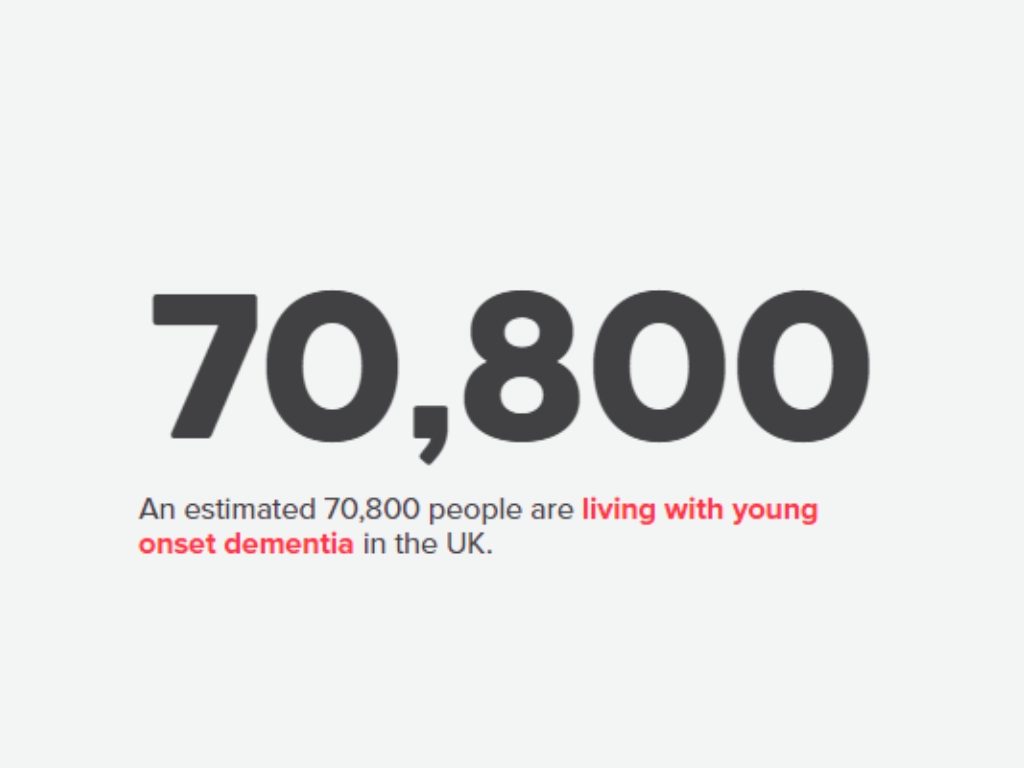
The financial implications are also considerably more acute. An older adult receiving a dementia diagnosis may have reached or be approaching retirement. But a person diagnosed at 52 may face the loss of a career at its peak, the sudden disappearance of a substantial income, and complex questions about insurance, pension access, mortgage protection and more [5]. Research published in Dementia found that financial concerns were among the most frequently cited sources of stress in the immediate post-diagnostic period for people with young-onset dementia and their families, yet dedicated financial and legal guidance was rarely provided as part of standard care pathways [6].
The impact on family systems is profound and multi-directional. Spouses and partners frequently transition into a caring role while still managing their own careers and parenting responsibilities. Children, depending on their age, may be old enough to understand what the diagnosis means and to experience anticipatory grief, or young enough to require age-appropriate explanation and ongoing support as the condition progresses [7].
The person with dementia, meanwhile, may be navigating a rapidly shifting sense of role and identity within their family at the same time as managing the cognitive and emotional effects of their condition. Neuropsychological assessment and neuroimaging, and, where appropriate, genetic testing all play a role in establishing a precise diagnosis.
This in turn informs prognosis, treatment options and family risk. Post-diagnostic support in specialist clinics is also structured, proactive and sustained rather than episodic. A study published in the International Journal of Geriatric Psychiatry found that people with young-onset dementia who received care through a specialist service reported significantly higher satisfaction with their support, greater sense of control over their condition and better quality of life scores compared with those managed through generic memory services [8].
The difference was attributed in large part to the availability of a named key worker, timely access to specialist advice and a care plan that addressed the full range of the individual’s needs rather than focusing solely on symptom management. Psychological support is a central component of high-quality specialist care. The emotional impact of a young-onset dementia diagnosis is profound and multifaceted, encompassing grief, fear, anger, loss of identity and anticipatory anxiety about the future [9].
Access to individual psychological therapy, couples counselling and family support should be available from the point of diagnosis rather than offered only when crisis point is reached. Research published in Aging and Mental Health found that early psychological intervention significantly reduced depression and anxiety scores in people with young-onset dementia, with benefits extending to family carers when they were included in the therapeutic process [10].
Maintaining Independence and Quality of Life
One of the most important goals of specialist care in young-onset dementia is supporting the individual to maintain independence, purpose and quality of life for as long as possible, and the evidence base for specific interventions in this area is steadily growing. Cognitive rehabilitation, a structured therapeutic approach that focuses on developing and consolidating strategies to manage everyday cognitive difficulties, has demonstrated meaningful benefit in early to moderate dementia [11].
Unlike cognitive stimulation, which aims to maintain general cognitive function through structured activity, cognitive rehabilitation is individually tailored to the specific goals and difficulties of the person, whether that involves managing a work environment, maintaining a hobby, navigating social situations or using compensatory and strategies to support memory and organisation.
Occupational therapy plays a similarly important role. For people with young-onset dementia who are still working, or who wish to remain working for as long as possible, a specialist occupational therapist can work with both the individual and their employer to establish systems that extend the period of safe and satisfying employment [12]. The Equality Act 2010 places a legal obligation on employers to make reasonable adjustments for employees with dementia, and specialist clinics can support individuals in understanding and exercising those rights [13].
Physical activity is another area with a robust evidence base. A systematic review published in Ageing Research Reviews found that regular aerobic exercise was associated with slower cognitive decline and better quality of life in people with dementia, with the greatest benefits seen in those who began an exercise programme early in the disease course [14]. Specialist clinics can integrate exercise referral into care planning in a way that is tailored to the individual’s physical capacity, preferences and stage of condition.
Advance care planning, while not always an easy conversation to initiate, is another area where specialist support adds demonstrable value. Research has shown that people with young-onset dementia who engage in advance care planning early report a greater sense of control, reduced anxiety and better alignment between their expressed wishes and the care they subsequently receive [15]. Specialist clinics create the conditions for these conversations to happen at the right time, with the right support, rather than under the pressure of a crisis.
Supporting Families and Carers
The needs of family members and carers in young-onset dementia are substantial and frequently undermet. Carer burden in young-onset dementia is consistently higher than in late-onset dementia, reflecting the greater complexity of the caring role when it intersects with parenting, employment and the particular emotional weight of watching a partner or parent change at a relatively young age [16]. Specialist clinics that adopt a family-centred model of care, providing support, education and access to psychological services, produce better outcomes across the system.
A study published in the Journal of Alzheimer’s Disease found that carer-inclusive care models significantly reduced carer burnout, improved carer mental health and reduced rates of premature care home placement, demonstrating that investment in carer support is not only ethically important but clinically and economically justified [17]. Peer support also plays a valuable role that specialist services are well placed to facilitate. Connection with others who are navigating the same experience, through facilitated groups, online communities or peer mentoring, reduces isolation, provides practical knowledge and offers a form of understanding that clinical professionals alone cannot provide [18].
Young-onset specific peer networks matter here, because the lived experience of managing dementia at 50 while raising teenagers and managing a mortgage is meaningfully different from that of an 80-year-old with late-onset Alzheimer’s disease, and those differences deserve to be acknowledged and addressed.
Young-Onset Dementia Support at The Health Suite Leicester
A diagnosis of young-onset dementia is the beginning of a new chapter, not the end of the story. With the right support, people living with young-onset dementia can continue to lead purposeful, connected and meaningful lives for many years. And the difference that coordinated care makes to that journey is well evidenced.
At The Health Suite Leicester, our specialist approach to young-onset dementia brings together consultant-led diagnosis, neuropsychological assessment, psychological support, and coordinated care planning in a service designed specifically around the needs of working-age adults and their families.
We work with you from the point of first concern through diagnosis and beyond, ensuring that your care plan evolves with your needs and that you and your family are never left without support or guidance. We believe that every person affected by young-onset dementia deserves care that is as individual as they are, as timely as the condition demands, and as ambitious for their quality of life as they are themselves.
Concerned about early memory or behaviour changes? Don’t wait.
References:
- Alzheimer’s Disease International. World Alzheimer Report 2019: Attitudes to Dementia. London: ADI; 2019. Available at: https://www.alzint.org/u/WorldAlzheimerReport2019.pdf
- Greenwood N, Smith R. The experiences of people with young-onset dementia: a meta-ethnographic review of the qualitative literature. Maturitas. 2016;92:102–109
- Beattie A, et al. People with dementia: what do they know and how do they cope with the diagnosis? Dementia. 2004;3(1):113–137
- van Vliet D, et al. Time to diagnosis in young-onset dementia as compared with late-onset dementia. Psychol Med. 2013;43(2):423–432
- Stamou V, et al. Indications of how people with young onset dementia and their families experience and navigate the financial impact of the condition. Dementia. 2021;20(3):1044–1059
- Stamou V, et al. Financial hardship in young onset dementia: a qualitative study. Dementia. 2021;20(3):1044–1059
- Hutchings R, et al. The impact of young onset dementia on the family: a systematic review. Int Psychogeriatr. 2020;32(11):1363–1374
- Bakker C, et al. The relationship between quality of care and quality of life in young onset dementia. Int J Geriatr Psychiatry. 2014;29(11):1113–1120
- Johannessen A, Möller A. Implications of early-stage Alzheimer’s disease for patient and partner: a qualitative dyadic study. Aging Ment Health. 2013;17(2):212–222
- Orgeta V, et al. Psychological treatments for depression and anxiety in dementia and mild cognitive impairment. Aging Ment Health. 2017;21(1):1–12
- Clare L, et al. Goal-oriented cognitive rehabilitation in early-stage Alzheimer’s and related dementias: the GREAT randomised controlled trial. Brain. 2019;142(2):447–449
- Tonga JB, et al. Coping with memory problems in early Alzheimer’s disease: a randomised controlled trial of a patient education programme. Occup Ther Int. 2016;23(2):119–130
- Equality Act 2010. London: HMSO; 2010. Available at: https://www.legislation.gov.uk/ukpga/2010/15/contents
- Groot C, et al. The effect of physical activity on cognitive function in patients with dementia: a meta-analysis of randomised control trials. Ageing Res Rev. 2016;25:13–23
- Dening KH, et al. Advance care planning for people with dementia: a systematic review of existing measures. Palliat Med. 2011;25(7):765–784
- Rosness TA, et al. Carers of patients with early onset dementia: a qualitative study. Dementia. 2011;10(2):185–202
- Mazaheri M, et al. Family caregiver burden and quality of life in young onset dementia. J Alzheimers Dis. 2021;83(3):1329–1340
- Spreadbury JH, Kipps CM. Measuring younger onset dementia and its carer outcomes: a systematic review of the literature. Dementia. 2019;18(4):1427–1450