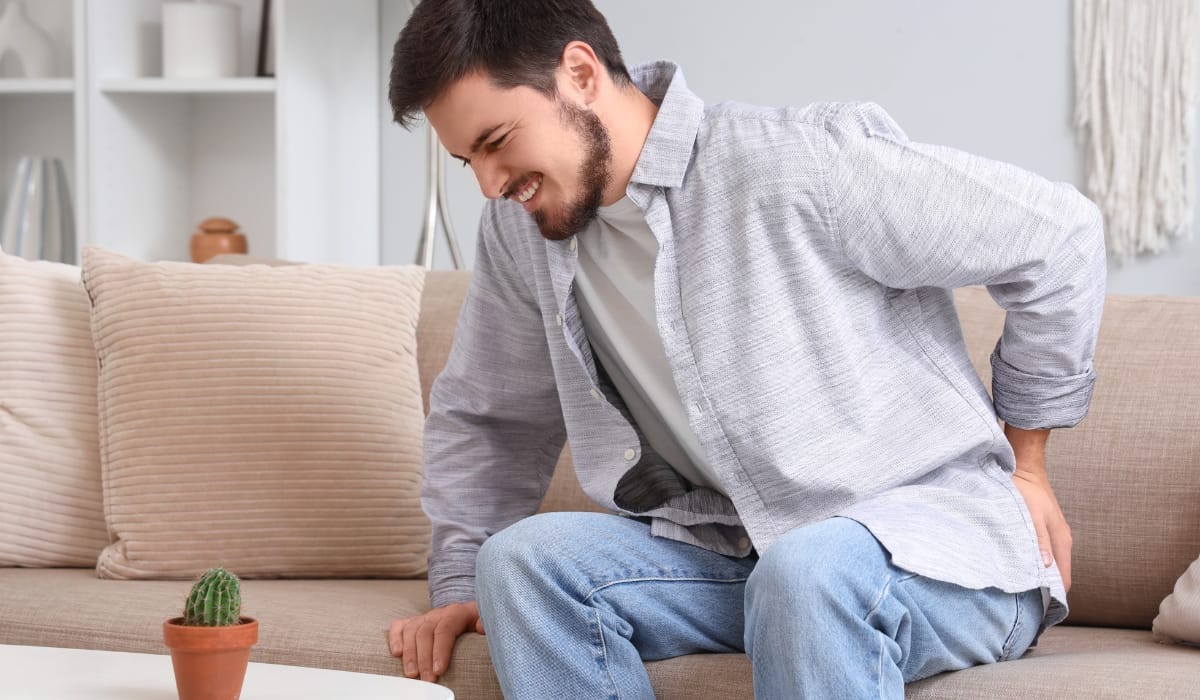

Your Anal Fissure Assessment at The Health Suite
Your Appointment Typically Includes:
* A careful history (pain pattern, bleeding, bowel habit, prior treatment) * An examination of the perianal area * Consideration of further assessment if required (for example, to rule out other causes of bleeding or persistent symptoms) You’ll receive a clear plan covering both procedure options and the bowel-care steps that improve healing and reduce recurrence.
The Procedure
Botox is injected into the internal sphincter using a fine needle. Anaesthetic options are discussed during consultation and depend on symptoms, examination findings and comfort. Most patients: * Notice early improvement within 1–2 weeks * Experience further symptom reduction over 2–4 weeks * Eeturn to normal activities quickly (often within a few days)
Benefits of Botox for Anal Fissure
* Non-surgical – no cutting of the sphincter * Continence preserving – temporary relaxation rather than permanent weakening-preserving * Reversible – the effect wears off naturally * Short recovery – minimal downtime compared with surgery * Helpful when creams fail – particularly for chronic fissure with spasm
Risks and Considerations
Botox is generally well-tolerated. Possible risks include: * Temporary minor leakage of wind or stool (uncommon, and usually resolves) * Mild discomfort or bruising at injection site * Recurrence after the effect wears off (especially if constipation/straining continues) Your surgeon will discuss your individual risk profile, including any relevant factors such as childbirth history, bowel function, and medication (e.g., anticoagulants).
Botox vs Surgery for Anal Fissure
Lateral internal sphincterotomy is highly effective for chronic fissure but carries a small long-term risk of altered bowel control in some patients. Botox is often preferred when: * Continence preservation is a priority * You wish to avoid surgery * There are risk factors for continence problems (for example, some postchild birth patients)-childbirth patients) If Botox does not achieve healing, surgical options can still be discussed.
Treatment options and pricing
Browse and click below to book any of our available service.
Anal Fissure Botox: Initial Consultation
Included in the Anal Fissure Botox: Initial Consultation
A detailed consultation with a Consultant Colorectal Surgeon to review symptoms, bowel habits, and previous treatments. Includes perianal examination, discussion of Botox and other options, and a personalised care plan to reduce pain and promote healing.
Anal Fissure Botox: Procedure
Included in the Anal Fissure Botox: Procedure
Botox is injected into the internal anal sphincter under local anaesthetic to temporarily relax the muscle, reduce spasm, improve blood flow, relieve pain, and allow chronic fissures to heal naturally. Most patients notice improvement within 1–2 weeks.
You will be given clear costs before any treatment is arranged.
Common Q&A about Anal Fissure Botox
Our FAQ section is designed to address common questions you may have, from how our treatments work to what you can expect during and after your session.
Our team is always available to provide additional support if you need more personalised guidance, ensuring that you feel informed and confident every step of the way.
Botox improves symptoms for many people, particularly when creams haven’t worked. Healing rates vary between individuals, and results are best when constipation and straining are addressed at the same time.
Some people notice improvement in 1–2 weeks, with continued improvement over 2–4 weeks.
Anaesthetic is used to keep you comfortable. Mild soreness afterwards is possible but is usually short-lived.
It can recur, particularly if constipation, straining, or hard stools return. A bowel-care plan reduces this risk.
If symptoms persist, your surgeon may discuss repeating Botox in selected cases or considering surgery such as lateral sphincterotomy.
Botox generally carries a lower continence risk because the effect is temporary. Surgery may have higher healing rates in some patients. The best option depends on your history and examination findings.
Some patients have treatment with local anaesthetic; others may be offered a different anaesthetic approach depending on comfort and clinical factors. This is discussed at the consultation.
Many patients return to work within a few days, depending on discomfort levels and the type of work.
Yes—topical creams, dietary fibre and stool softening strategies, warm baths, pelvic floor approaches (when appropriate), and surgical options.-softening strategies, warm baths, pelvic floor approaches (when appropriate), and surgical options.
If pain or bleeding persists beyond 6 weeks, symptoms are severe, or you have recurrent fissures, specialist assessment is recommended.
Symptom checker
If you are experiencing any of these symptoms, please book an appointment with us. Symptoms can vary from person to person and from condition to condition.A proper diagnosis can only be made through a thorough medical examination.
Our clinicians will carry out a full assessment to ensure an accurate diagnosis and appropriate care.
Do you experience sharp pain during and after bowel movements?
Anal fissures often cause intense, burning pain while passing stools and lingering discomfort afterwards. Botox can help reduce muscle spasm and ease this pain.
Have you noticed bleeding (bright red) with bowel motions?
Anal fissures may lead to small amounts of fresh blood on toilet paper or in the bowl, particularly if the tear is irritated.
Do you have a tear or cut-like feeling around the anus?
A fissure feels like a crack or split in the skin around the anus, often worsening with hard stools.
Is there persistent anal sphincter tightness or spasm?
Anal sphincter muscle spasm keeps fissures from healing. Botox works by relaxing this muscle to promote healing.
Have you tried topical creams or lifestyle changes without lasting relief?
If ointments (like GTN or diltiazem) or dietary changes haven’t worked after several weeks, botox may be considered.
Has pain prevented normal bowel habits or activities?
Ongoing discomfort that impacts everyday life — like avoiding bowel movements — may mean you need assessment for advanced treatment options like Botox.
What we treat
At The Health Suite Leicester, our private medical clinic offers expert care whenever you need it. Our team of experienced GPs and healthcare professionals provide personalised diagnosis and treatment for a wide range of medical conditions, ensuring high-quality, professional care in a comfortable setting.
Click below to view useful info on a few of the common conditions we treat:
Chronic Anal Fissures
Anal fissures are small tears in the lining of the anus that cause sharp pain, bleeding, and discomfort. Botox injections relax the anal sphincter muscle, reducing spasm and allowing the fissure to heal more easily.
Anal Sphincter Muscle Spasm
Persistent tightness or involuntary spasm of the anal sphincter can prevent fissures from healing. Botox works by temporarily relaxing the muscle, helping break the cycle of spasm and pain.
Fissures Unresponsive to Conservative Treatment
When fissures don’t respond to creams, lifestyle adjustments, or sitz baths, Botox offers a non-surgical option that can enhance healing by reducing internal pressure and spasm.
Pain and Discomfort During Bowel Movements
Botox injections target the underlying muscle cause of fissure pain, easing pain associated with passing stools so you can return to normal bowel habits.
Improving Healing Environment for Chronic Fissures
By reducing muscle tone and sphincter pressure, botox encourages increased blood flow and supports tissue repair, improving the healing environment for stubborn or long-standing fissures.
many more
Our clinicians manage a broad spectrum of conditions, and individual assessment allows us to tailor care beyond the examples listed. We encourage you to book a consultation to discuss your symptoms and appropriate treatment options.