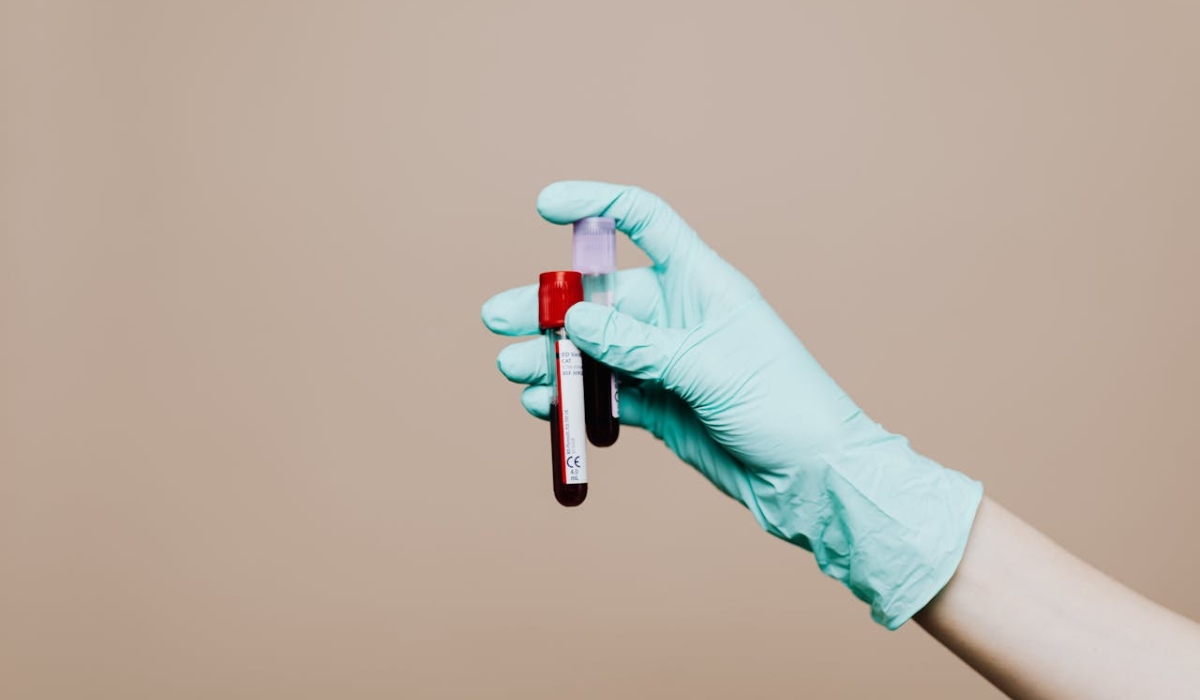
MTIH Blood Test in Leicester
Unlock Deeper Health Insights with Advanced MTIH Blood Testing at The Health Suite Leicester
The Health Suite, a private medical and wellness clinic based in Leicester, UK, offers a range of specialised blood testing services, including the MTIH Blood Panels. These tests are designed to provide a comprehensive overview of an individual’s metabolic health and are commonly used in conjunction with integrative or functional medical approaches, such as those advocated by the Metabolic Terrain Institute of Health (MTIH).
The MTIH Blood Test plays a vital role in assessing and understanding an individual’s overall metabolic health. Developed in alignment with the Metabolic Terrain Institute of Health’s principles, these tests go beyond standard screenings to provide a detailed snapshot of the body’s internal environment. They are especially important for individuals dealing with chronic conditions such as cancer, autoimmune diseases, diabetes, or unexplained fatigue, as they help uncover hidden imbalances and potential root causes.
By analysing a broad range of markers—including inflammation, hormone levels, nutrient status, blood sugar regulation, and organ function—the MTIH Blood Test empowers healthcare practitioners to develop highly personalised treatment strategies. This targeted approach is not only more effective but also promotes long-term health by addressing the underlying terrain rather than just managing symptoms.
Moreover, regular MTIH testing can be a powerful tool for prevention. It allows for early detection of imbalances before they evolve into more serious issues, helping individuals take proactive steps toward optimal health. Whether you’re navigating a complex diagnosis or simply aiming to optimise your wellness, the MTIH Blood Test is a valuable, science-backed resource on the journey to better health.
To access the MTIH Blood Test, patients are required to have a referral letter from their overseeing practitioner. The Health Suite also provides convenient options for sample collection, including phlebotomy services that can be arranged at a patient’s home anywhere in the UK for an additional charge. While the panels are comprehensive, it’s important to note that they do not include tumour-specific markers, though these can be added upon request for an additional fee.
MTIH Blood Tests at The Health Suite, Leicester
Our team of experienced and knowledgeable doctors are here to provide you with the best possible care, and our private blood tests in The Health Suite Leicester make it easy for you to get the information you need quickly and easily. Whether you are concerned about a particular health issue or want to stay on top of your health, our private blood tests can provide you with the reassurance you need.
Below, you can directly book some of our routine tests at our private GP & clinic in Leicester.
If you are worried about a serious or urgent medical problem, we strongly suggest you consult either one of our GPs or your own NHS GP first so they can make a clinical assessment and ensure you have the most appropriate blood tests.
Please note: Individuals should fast for 6 hours before the blood test, consuming only clear fluids during this period.
All prices already INCLUDE the phlebotomy charge
Testing & Profiling We Offer at The Health Suite, Leicester
We understand the importance of accurate diagnosis and effective treatment. That’s why we offer a vast range of blood tests to help diagnose various conditions. Our team of GPs can provide advice and guidance on which tests may be suitable for you. If there is no availability online, please send us a message, and we will do our best to fit you in. You will receive a full copy of the results by email. If you wish to discuss the results, you can book an appointment with one of our GPs.
Refer to our ‘Preparing for Your Blood Test’ information before your appointment at The Health Suite.
A clinical interpretation of the results is not included, and it is always best to seek medical advice to understand your results in their correct clinical context.
Treatment options and pricing
Browse and click below to book any of our available services.
MTIH Bloods Panel
The MTIH Bloods Panel offers a comprehensive analysis of inflammation, hormones, nutrients, and organ function, helping identify imbalances and health risks.
What we treat
At The Health Suite Leicester, our private medical clinic offers expert care whenever you need it. Our team of experienced GPs and healthcare professionals provide personalised diagnosis and treatment for a wide range of medical conditions, ensuring high-quality, professional care in a comfortable setting.
Click below to view useful info on a few of the common conditions we treat:
-
Metabolic Health & Imbalances
MTIH blood tests analyse markers such as glucose control (HbA1c), lipids, insulin and C‑peptide to assess blood sugar regulation, insulin sensitivity and metabolic risk — key for people with diabetes risk or metabolic dysfunction.
-
Inflammation & Inflammatory Markers
Measuring high‑sensitivity C‑reactive protein (HS‑CRP), ESR and fibrinogen helps evaluate chronic inflammation or immune activity that can contribute to cardiovascular risk, chronic pain or systemic imbalance.
-
Hormonal & Endocrine Function
MTIH panels include tests like thyroid function (Free T3, Free T4), IGF‑1 and more, allowing assessment of key hormonal systems that influence metabolism, energy balance, weight, mood and overall endocrine health.
-
Organ Function & Tissue Health
Markers of liver (GGT, LFTs), kidney (U&E), bone metabolism (bone profile) and cellular integrity (LDH, uric acid) offer insight into organ health and tissue function, helping identify areas needing support or monitoring.
-
Cardiovascular & Risk Assessment
Lipids, homocysteine and fibrinogen help gauge cardiovascular health and risk of atherosclerosis or thrombotic events. Early detection supports preventive strategies through diet, lifestyle or medical input.
-
many more
Our clinicians manage a broad spectrum of conditions, and individual assessment allows us to tailor care beyond the examples listed. We encourage you to book a consultation to discuss your symptoms and appropriate treatment options.
MTIH Blood Test in Leicester
Below are the key blood tests used in MTIH Bloods, each focusing on a specific hormone or indicator.
Please confirm the package you are looking for.
Symptom checker
If you are experiencing any of these symptoms, please book an appointment with us. Symptoms can vary from person to person and from condition to condition. A proper diagnosis can only be made through a thorough medical examination.
Our clinicians will carry out a full assessment to ensure an accurate diagnosis and appropriate care.
-
Do you feel tired, low in energy or struggling with persistent fatigue?
Chronic tiredness may signal underlying metabolic or nutritional imbalances. An MTIH blood panel assesses markers like vitamin levels, blood sugar control, inflammation and organ function to help uncover hidden causes.
-
Are you concerned about your heart or metabolic health (cholesterol, blood sugar)?
Markers such as lipids, HbA1c, homocysteine and inflammatory proteins give insight into cardiovascular and metabolic risk. An MTIH panel can help identify trends before they become serious health issues.
-
Do you have ongoing inflammation, pain or symptoms without a clear cause?
Inflammation markers like HS‑CRP and ESR can indicate chronic low‑grade inflammation or immune activity. Measuring these helps you and your clinician understand whether your body is mounting an inflammatory response and why.
-
Are you managing or monitoring a thyroid, hormone or endocrine concern?
Thyroid hormones (TFTs) and IGF‑1 are included in MTIH panels and can highlight endocrine imbalances that affect energy, weight, mood and metabolism.
-
Have you experienced unexplained changes in weight, appetite or nutrient levels?
MTIH testing includes vitamin D, haematinics and nutrient markers that help detect deficiencies or imbalances affecting wellbeing, immunity and metabolic function.
-
Do you want a deeper health picture beyond regular routine blood tests?
MTIH panels are broader than standard screens, measuring comprehensive metabolic, hormonal, nutritional and inflammatory markers. This may help identify subtle health trends and guide personalised care.
Why choose The Health Suite for MTIH Blood Test?
Choose The Health Suite Leicester for expert, personalised healthcare, fast access to specialists, advanced diagnostics and exceptional patient care.
-
State-of-the-Art Facilities
Modern, well-equipped clinic ensuring accurate and efficient testing.
-
Holistic Approach
Focus on both prevention and treatment to optimise long-term health
-
Confidential & Supportive
Discreet services with a compassionate team that prioritises your well-being.
Have a query about MTIH Blood Test at The Health Suite Leicester?
We recognise that getting the healthcare assistance you need can be difficult. So if you have a query, feel free to contact us and one of our treatment co-ordinators will be happy to help. We aim to reply to all queries within 24 hours (Mon – Fri).
Meet our MTIH Blood Test Clinicians
Meet our dedicated team at The Health Suite Leicester, where skilled professionals are committed to providing exceptional care tailored to your medical and wellness needs.

Louise Frowen
Clinical Health Care Assistant
Common Q&A about MTIH Blood Test
Our FAQ section is designed to address common questions you may have, from how our treatments work to what you can expect during and after your session.
Our team is always available to provide additional support if you need more personalised guidance, ensuring that you feel informed and confident every step of the way.