
Treatment options and pricing
Browse and click below to book any of our available service.
Pelvic Floor Physiotherapy Initial Consultation
Included in the Pelvic Floor Physiotherapy Initial Consultation
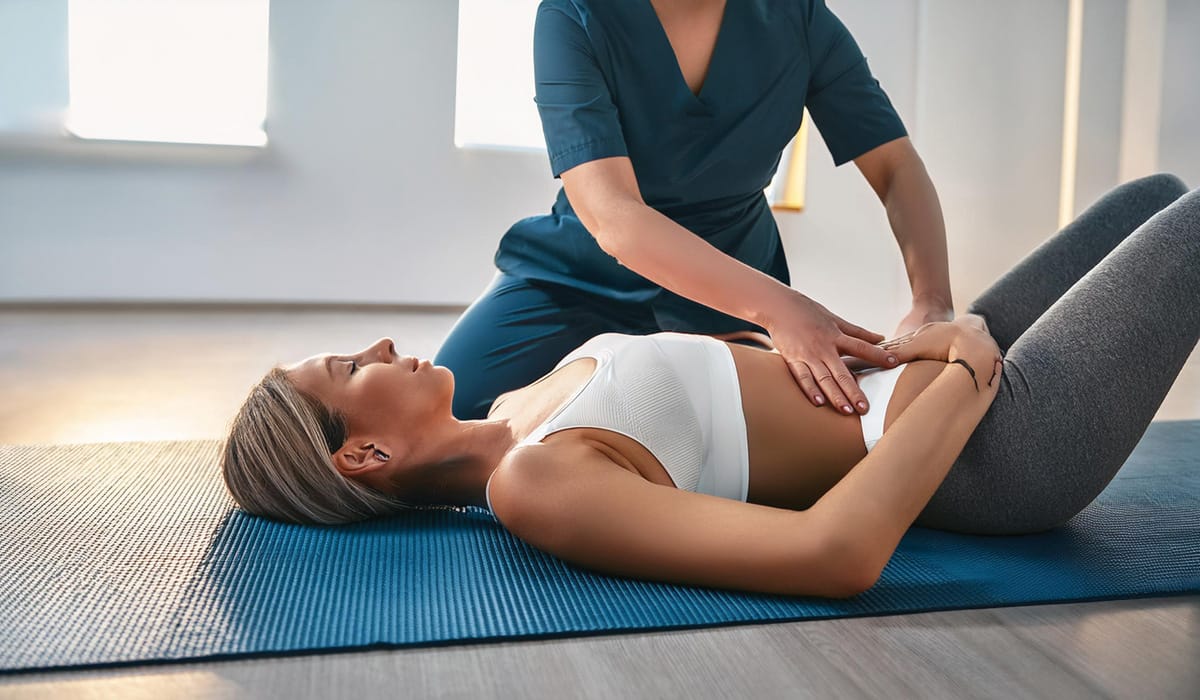
In your first pelvic floor physiotherapy consultation, you’ll meet with a physiotherapist who will assess your physical condition, discuss your goals and concerns, and collaborate with you to create a personalised treatment plan to enhance your mobility and overall well-being.
Pelvic Floor Physiotherapy Follow-up Consultation
Included in the Pelvic Floor Physiotherapy Follow-up Consultation
During a follow-up pelvic floor physiotherapy consultation, you’ll work with the physiotherapist to review your progress, address any challenges, and adjust your treatment plan to ensure you’re on track to achieve your desired physical outcomes.
Common Q&A about Pelvic Floor Physiotherapy
Our FAQ section is designed to address common questions you may have, from how our treatments work to what you can expect during and after your session.
Our team is always available to provide additional support if you need more personalised guidance, ensuring that you feel informed and confident every step of the way.
Pelvic floor physiotherapy at The Health Suite is focused on rehabilitation and strengthening of the pelvic floor muscles, rather than diagnosing pelvic or pelvic organ conditions.
If you already have a diagnosis or have been advised by a GP, consultant, or other healthcare professional that pelvic floor rehabilitation may be helpful, physiotherapy can support recovery through targeted exercises and muscle retraining.
If symptoms have not yet been medically assessed, patients may be advised to consult an appropriate clinician before starting rehabilitation, such as urogynaecologist Dr Aneta Obloza for pelvic floor or pelvic organ concerns, or Fatema Contractor, Mummy MOT practitioner, for post-partum pelvic health issues.
No. Pelvic floor physiotherapy at The Health Suite focuses on rehabilitation and strengthening of the pelvic floor muscles, and sessions do not involve internal examinations.
Treatment is based on guided exercises, muscle activation techniques, breathing strategies, and physiotherapy rehabilitation methods designed to improve pelvic floor strength, coordination, and overall core support.
If a patient requires medical assessment of pelvic floor or pelvic organ conditions, they may be advised to consult an appropriate clinician, such as urogynaecologist Dr Aneta Obloza or Fatema Contractor, Mummy MOT practitioner, for post-partum pelvic health concerns.
Sessions focus on guided rehabilitation exercises and physiotherapy techniques designed to strengthen the pelvic floor muscles and improve coordination.
Your physiotherapist will guide you through targeted exercises, breathing techniques, posture adjustments, and muscle activation strategies to help retrain the pelvic floor and support overall core stability.
No. Pelvic floor muscles are important for both men and women. Pelvic floor physiotherapy can support individuals of all genders who are working to improve pelvic muscle strength, bladder control, or core stability.
Pelvic floor rehabilitation is usually a gradual process, as muscle strengthening takes time. Many patients begin to notice improvements after several weeks of consistent exercises and physiotherapy sessions.
Your physiotherapist will guide you on progressive exercises and techniques to help support long-term improvement.
Yes. Pregnancy and childbirth can place significant strain on the pelvic floor muscles. Physiotherapy can support post-pregnancy recovery by helping rebuild muscle strength, stability, and control.
Structured rehabilitation can help restore pelvic floor function and support overall core stability.
Pelvic floor strengthening exercises are commonly used to help support bladder control and improve muscle coordination. Strengthening these muscles may help reduce symptoms such as leakage or urgency over time.
No referral is usually required to book pelvic floor physiotherapy at The Health Suite Leicester. However, many patients attend following medical advice or after receiving a diagnosis from a GP or specialist.
The number of sessions varies depending on the individual’s goals, muscle strength, and recovery progress. Some people benefit from a short course of rehabilitation sessions combined with exercises to continue at home.
Pelvic floor rehabilitation can be helpful for individuals recovering after certain pelvic or abdominal procedures, where improving muscle strength and function forms part of recovery.
Your physiotherapist will guide exercises appropriate for your stage of recovery.
Pelvic floor physiotherapy is available at The Health Suite Leicester, where patients can receive guided rehabilitation in a professional and supportive clinical environment.
Advice from the experts
Read clear, expert advice from our clinicians, offering trusted advice, clinical insight, and practical guidance to help you understand your treatment and care options.





Symptom checker
If you are experiencing any of these symptoms, please book an appointment with us. Symptoms can vary from person to person and from condition to condition.A proper diagnosis can only be made through a thorough medical examination.
Our clinicians will carry out a full assessment to ensure an accurate diagnosis and appropriate care.
Do you leak urine when coughing, sneezing, laughing or exercising?
This can be a sign of pelvic floor muscle weakness or poor timing; physiotherapy helps retrain and strengthen muscles for better bladder control.
Are you experiencing urgency or frequent trips to the toilet?
A strong, well‑coordinated pelvic floor influences bladder function — physiotherapy can support better control and reduce urgency.
Do you have pelvic pain, discomfort or pressure?
Pain, tension or heaviness around the pelvis, hips or low back may be linked to pelvic floor dysfunction that a specialist physio can assess and treat.
Is sex painful or uncomfortable?
Discomfort during intercourse or penetration can relate to muscle tension, coordination or guarding that pelvic floor physiotherapy works to improve.
Are you having trouble with bowel control or constipation?
Pelvic floor muscle imbalance or poor coordination can contribute to bowel issues; physio helps retrain muscles for smoother function.
Do you feel weakness or pressure after pregnancy or childbirth?
Postnatal pelvic floor changes can lead to weakness or prolapse symptoms — physiotherapy can assess and guide a safe recovery.
What we treat
At The Health Suite Leicester, our private medical clinic offers expert care whenever you need it. Our team of experienced GPs and healthcare professionals provide personalised diagnosis and treatment for a wide range of medical conditions, ensuring high-quality, professional care in a comfortable setting.
Click below to view useful info on a few of the common conditions we treat:
Stress & urge urinary incontinence
Individualised exercises and techniques to strengthen pelvic floor muscles, improving bladder control.
Pelvic pain & discomfort
Assessment and management of muscle tension, trigger points and pelvic floor dysfunction contributing to pain and pressure.
Dyspareunia (pain with sex)
Targeted physiotherapy helps address muscle guarding, coordination issues and tension that can cause painful intercourse.
Bowel dysfunction & constipation
Pelvic floor retraining can improve bowel function, reduce straining and support smoother evacuation.
Postnatal pelvic support
Rehabilitation after pregnancy/childbirth to restore strength, reduce symptoms and support core stability.
many more
Our clinicians manage a broad spectrum of conditions, and individual assessment allows us to tailor care beyond the examples listed. We encourage you to book a consultation to discuss your symptoms and appropriate treatment options.