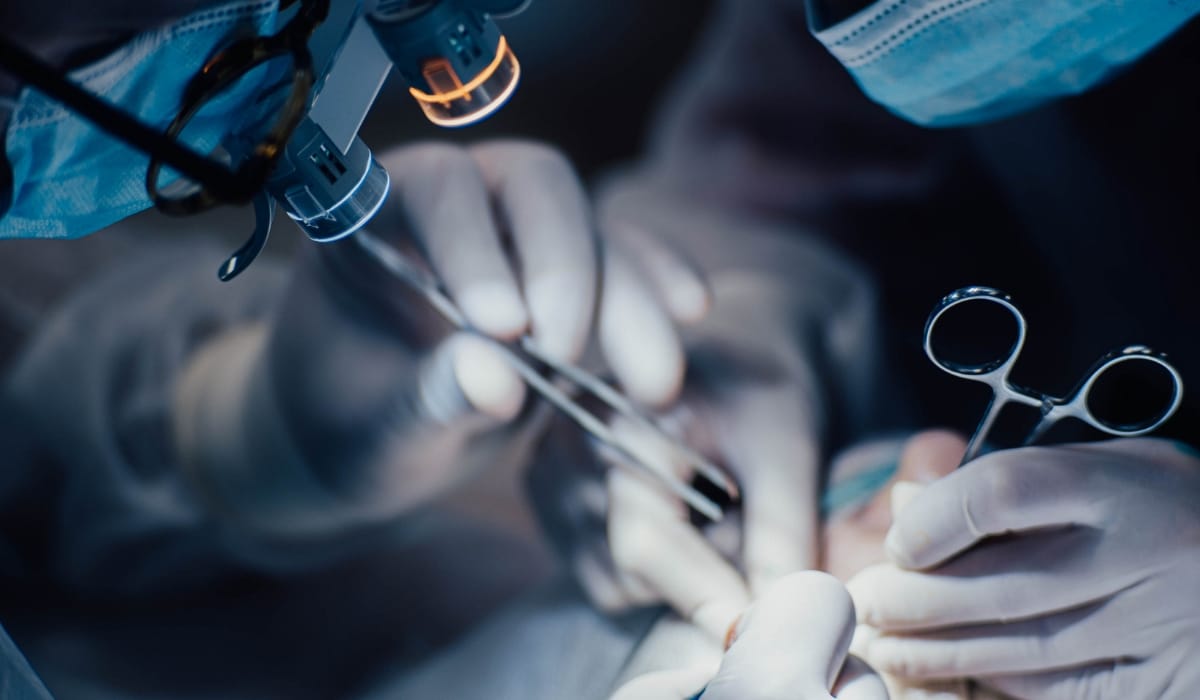

Minimally Invasive Laser Assisted Closure (PiLAC) at The Health Suite
How the Laser-Assisted Procedure Works
- Anaesthetic
The area is numbed (anaesthetic approach confirmed during consultation). - Sinus tract clearance
The opening is gently accessed, and the tract is cleaned—removing hair, debris and infected material. This step is important in reducing recurrence. - Laser ablation
A fine laser fibre is passed along the tract. Controlled energy treats the sinus lining while preserving surrounding tissue. - Healing
The tract collapses and seals internally. Because the external opening is small, there is usually no large incision. A small dressing is applied.
Procedure time is often around 15–20 minutes, depending on complexity.
Benefits of Laser-Assisted Pilonidal Treatment
- Minimally invasive (no large excision/flap in suitable cases)
- Reduced post-operative pain for many patients
- Quicker return to normal routine
- Smaller wound and simpler dressing needs
- Good option for selected chronic/recurrent disease
Risks and Possible Complications
As with any procedure, risks can include:
- Mild pain, swelling or bruising
- Temporary discharge during healing
- Infection
- Recurrence (especially with complex/branching tracts)
Some extensive or complex disease patterns may be better treated with alternative surgical approaches. Assessment is key to choosing the safest and most effective plan.
Recovery and Aftercare
Most patients have mild discomfort for a few days.
Aftercare commonly includes:
- Keeping the area clean and dry
- Avoiding prolonged sitting initially
- Avoiding heavy lifting for several days
- Following guidance on hair control and reducing friction/sweating
Follow-up is arranged to ensure healing is progressing well and to reduce recurrence risk.
Who Is Suitable for Pilonidal Laser Treatment?
You may be suitable if:
- You have a chronic or recurrent pilonidal sinus
- Your sinus anatomy is appropriate for laser closure
- You want a minimally invasive option
An alternative approach may be advised if:
- Disease is extensive or branching
- Scarring is significant
- There is an uncontrolled acute infection at the time of assessment
Treatment options and pricing
Browse and click below to book any of our available service.
Pilonidal Sinus Laser Treatment: Initial Appointment
Included in the Pilonidal Sinus Laser Treatment: Initial Appointment
A private consultation with a Consultant Colorectal Surgeon to assess pilonidal sinus anatomy, review symptoms, and discuss personalised laser treatment (PiLAC). Examination confirms suitability, rules out infection, and provides a clear plan for safe, minimally invasive care.
Pilonidal Sinus Laser Treatment: Procedure
Included in the Pilonidal Sinus Laser Treatment: Procedure
PiLAC involves cleaning the sinus tract, removing debris, and applying a fine laser fibre to collapse and seal the sinus internally. Anaesthetic ensures comfort, the wound is small, and recovery is faster than traditional surgery, with follow-up arranged to monitor healing and reduce recurrence.
Common Q&A about Pilonidal Sinus Laser Treatment
Our FAQ section is designed to address common questions you may have, from how our treatments work to what you can expect during and after your session.
Our team is always available to provide additional support if you need more personalised guidance, ensuring that you feel informed and confident every step of the way.
It can be less invasive with quicker recovery for selected cases. The best option depends on how extensive the sinus tracts are.
Often around 15–20 minutes, depending on complexity.
Anaesthetic is used to keep you comfortable. Mild soreness afterwards is common.
Many patients return within a few days, depending on sitting requirements and the type of work.
Recurrence is possible with any pilonidal treatment, but risk is reduced when the tract is fully cleared and aftercare measures are followed.
Many cases can be performed without it, but anaesthetic options depend on symptoms, anatomy and comfort.
PiLAC is designed to avoid a large open wound in suitable cases.
If you develop worsening pain, fever, spreading redness, or heavy/persistent discharge, seek urgent medical advice.
Often, an abscess needs drainage first. Definitive treatment can then be planned once the infection settles.
No—private consultation can be arranged directly.
Symptom checker
If you are experiencing any of these symptoms, please book an appointment with us. Symptoms can vary from person to person and from condition to condition.A proper diagnosis can only be made through a thorough medical examination.
Our clinicians will carry out a full assessment to ensure an accurate diagnosis and appropriate care.
Do you have pain or swelling near the tailbone?
Persistent discomfort at the top of the buttock crease is a common sign of pilonidal sinus, often worsening when sitting or exercising.
Have you experienced recurrent abscesses or infections in the natal cleft?
Repeated infections or boil-like swellings suggest chronic pilonidal disease that may require definitive treatment like laser closure.
Is there persistent or intermittent discharge from a sinus opening?
Oozing pus, blood, or fluid from a small opening in the cleft indicates a pilonidal tract that may not heal on its own.
Does sitting for long periods cause significant discomfort?
Pain when sitting, driving, or working for extended periods can interfere with daily life and signal the need for intervention.
Have conservative measures like hygiene, hair removal, or creams failed?
When non-surgical management doesn’t resolve symptoms, minimally invasive PiLAC treatment may be suitable.
Is the sinus chronic or recurrent despite previous treatments?
Repeated flare-ups or long-standing tracts are indications for laser-assisted closure to prevent further recurrence.
What we treat
At The Health Suite Leicester, our private medical clinic offers expert care whenever you need it. Our team of experienced GPs and healthcare professionals provide personalised diagnosis and treatment for a wide range of medical conditions, ensuring high-quality, professional care in a comfortable setting.
Click below to view useful info on a few of the common conditions we treat:
Chronic Pilonidal Sinus
Laser-assisted closure (PiLAC) treats long-standing pilonidal tracts by sealing the sinus internally while preserving surrounding tissue, reducing pain, discharge, and recurrence risk.
Recurrent Disease
Patients with repeat flare-ups after previous treatments benefit from PiLAC, which targets residual sinus tracts minimally invasively.
Persistent Discharge
Continuous or intermittent fluid from the sinus opening can be addressed with laser ablation to close the tract and promote healing.
Symptomatic Tracts Not Settling with Conservative Measures
For tracts unresponsive to hygiene, creams, hair control, or sitz baths, PiLAC offers a quick, outpatient solution to resolve symptoms.
Pain or Discomfort When Sitting or Exercising
By collapsing and sealing the sinus internally, PiLAC reduces the mechanical irritation and discomfort associated with sitting or physical activity.
many more
Our clinicians manage a broad spectrum of conditions, and individual assessment allows us to tailor care beyond the examples listed. We encourage you to book a consultation to discuss your symptoms and appropriate treatment options.