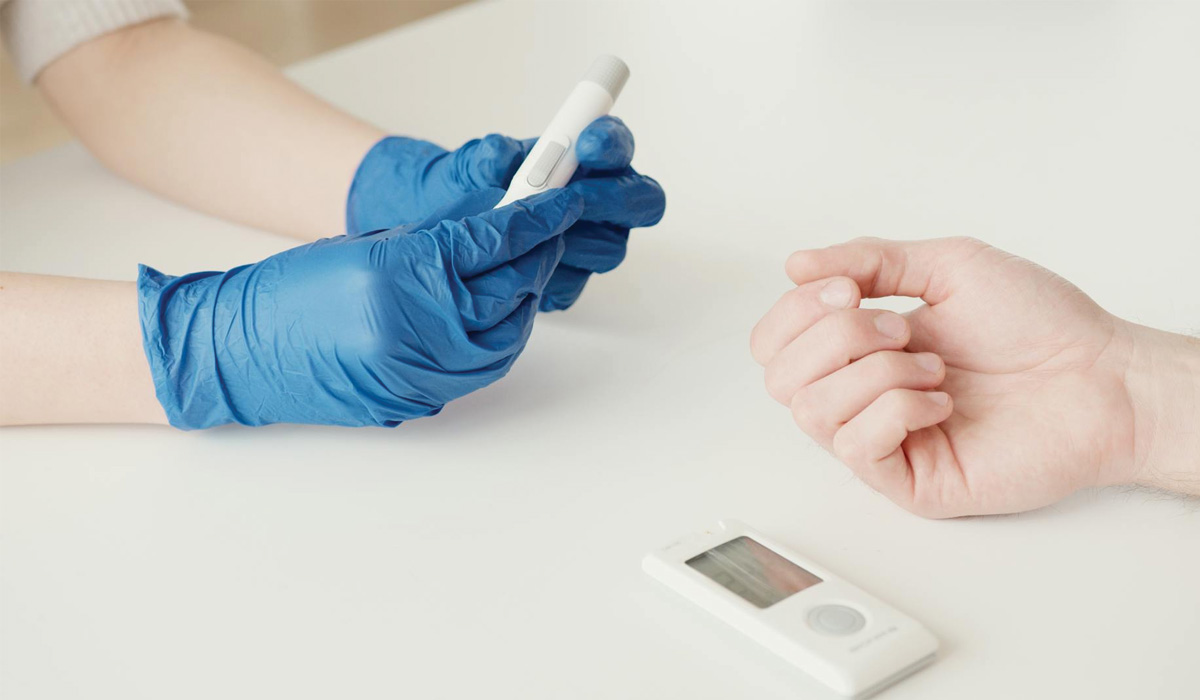
Private Nurse Led Diabetes Care in Leicester
Nurse Led Diabetes Care at The Health Suite Leicester – Effective Diabetes Management and Improved Health
At The Health Suite Leicester, we offer Private nurse-led diabetes care to provide personalised and comprehensive support for individuals living with diabetes. Our experienced nurse specialists in The Health Suite Leicester work closely with patients to develop tailored care plans that focus on blood sugar management, lifestyle adjustments, and overall health optimisation. Whether you’re newly diagnosed or managing diabetes long-term, our team offers guidance on medication management, nutrition, exercise, and monitoring techniques to help you live a healthier life. We prioritise educating patients on self-care practices, providing ongoing support to manage complications, and ensuring regular check-ups to monitor progress. With a focus on empowering patients and improving their quality of life, our Private Nurse Led Diabetes Care in Leicester offers the expertise and support needed to successfully manage diabetes in a comfortable and confidential setting.
Our experienced Practice Nurse has worked in various primary care and hospital settings and specialises in the care of people with type 2 diabetes. She will work in partnership with you to provide a bespoke plan to manage your diabetes and diabetes-related complications.
Why Effective Diabetes Care is Essential for Long-Term Health
- Prevents Complications: Proper diabetes care reduces the risk of long-term complications like heart disease, kidney damage, and nerve issues.
- Blood Sugar Control: Helps maintain healthy blood sugar levels, preventing hyperglycemia or hypoglycemia.
- Improves Quality of Life: Effective management allows individuals to lead a healthier, more active lifestyle.
- Early Detection: Regular monitoring catches potential problems early, reducing the chances of severe complications.
- Promotes Healthy Habits: Encourages balanced diets, regular exercise, and proper medication use for optimal health.
- Empowerment: Educates patients to take control of their health, promoting self-care and confidence in managing diabetes.
- Reduces Hospitalisation: Consistent care lowers the need for emergency treatment or hospital stays by keeping blood sugar levels stable.
Take control of your diabetes today! Contact The Health Suite Leicester for personalised care and expert support to manage your condition effectively.
Treatment options and pricing
Browse and click below to book any of our available services.
Search services
Diabetes Clinic Initial Consultation
A Diabetes Clinic Initial Consultation involves assessing a patient's health, discussing diabetes management, and creating a personalised treatment plan for better control.
Diabetes Clinic Follow-up Consultation
A Diabetes Clinic Follow-up monitors ongoing treatment progress, adjusts management plans, and ensures effective control of blood sugar levels and overall health.
No matching items found.
What we treat
At The Health Suite Leicester, our private medical clinic offers expert care whenever you need it. Our team of experienced GPs and healthcare professionals provide personalised diagnosis and treatment for a wide range of medical conditions, ensuring high-quality, professional care in a comfortable setting.
Click below to view useful info on a few of the common conditions we treat:
-
Improving Blood Glucose Control
Stabilise your blood sugar levels. We create personalised care plans focused on routine monitoring, thorough medication reviews, and realistic lifestyle strategies to prevent sharp glucose spikes.
-
Symptom Management
Find relief from daily discomfort. Get expert clinical support to manage common diabetes symptoms, including persistent fatigue, extreme thirst, frequent urination, and blurred vision.
-
Complication Prevention
Protect your long-term health. We offer early interventions and clinical education to significantly reduce your risk of neuropathy, chronic infections, circulatory issues, and diabetic foot problems.
-
Medication and Insulin Guidance
Optimise your treatment plan. Our specialist nurses carefully review your prescriptions, adjust dosages where appropriate, and advise on the safest use and timing of your insulin.
-
Self-Care Education
Take control of your daily health. We provide expert advice on targeted diets, exercise, home glucose monitoring, daily foot care, and sustainable habits to empower your self-management.
-
many more
Our clinicians manage a broad spectrum of conditions, and individual assessment allows us to tailor care beyond the examples listed. We encourage you to book a consultation to discuss your symptoms and appropriate treatment options.
Symptom checker
If you are experiencing any of these symptoms, please book an appointment with us. Symptoms can vary from person to person and from condition to condition. A proper diagnosis can only be made through a thorough medical examination.
Our clinicians will carry out a full assessment to ensure an accurate diagnosis and appropriate care.
-
Are you experiencing frequent thirst and urination?
These are common signs of high blood sugar. Nurse-led diabetes care helps assess glucose control, review symptoms, and guide personalised plans to stabilise levels and improve wellbeing.
-
Do you feel unexplained fatigue or low energy?
Persistent tiredness can be linked to fluctuating blood sugar or poor diabetes control. A diabetes nurse specialist can assess your routines, suggest adjustments, and support sustained energy improvements.
-
Are you noticing blurred vision or recurring headaches?
These symptoms may be related to high or unstable blood glucose. A diabetes care nurse can evaluate your control, review medications, and recommend monitoring or lifestyle changes.
-
Do you have slow wound healing or frequent infections?
Delayed healing can happen with diabetes due to impaired immunity and circulation. Nurse-led care includes assessment, guidance on self-care, and strategies to support healing.
-
Are you experiencing numbness, tingling, or foot discomfort?
Nerve-related symptoms may be linked to diabetic neuropathy. Specialist care includes monitoring, advice, and referral planning to help prevent complications.
-
Do you struggle with blood sugar monitoring or medication management?
Difficulty tracking levels or adjusting medications can affect your control. A nurse specialist provides education, practical tips, and personalised support to help you manage confidently.
Why choose The Health Suite for Private Nurse Led Diabetes Care?
Choose The Health Suite Leicester for expert, personalised healthcare, fast access to specialists, advanced diagnostics and exceptional patient care.
-
Holistic Assessment
A holistic assessment includes a body composition assessment, blood pressure measurement and diabetic foot examination. A review of underlying health conditions such as high cholesterol and raised blood pressure, ensures a complete evaluation.
-
Care Planning and Evaluation
We will formulate a care plan for diabetes management including frequency of evaluation, prescribing appropriate diabetes medication and lifestyle interventions. We focus on your individual needs.
-
Working in Partnership with Your GP
Working within the NICE and EASD-ADA guidelines. We will share our recommendations with your GP so that they can support you with your prescriptions. If you prefer, you can continue your journey with the clinic that will help you achieve your goals.
Advice from the experts
Read clear, expert advice from our clinicians, offering trusted advice, clinical insight, and practical guidance to help you understand your treatment and care options.
Diabetes and Hyperbaric Oxygen Therapy

Prediabetes and Type 2 Diabetes: A Nutritionist’s Guide to Management

3 Reasons to Get a Blood Test
Have a query about Private Nurse Led Diabetes Care at The Health Suite Leicester?
We recognise that getting the healthcare assistance you need can be difficult. So if you have a query, feel free to contact us and one of our treatment co-ordinators will be happy to help. We aim to reply to all queries within 24 hours (Mon – Fri).
Common Q&A about Private Nurse Led Diabetes Care
Our FAQ section is designed to address common questions you may have, from how our treatments work to what you can expect during and after your session.
Our team is always available to provide additional support if you need more personalised guidance, ensuring that you feel informed and confident every step of the way.
You may also be interested in the following

Diabetes Blood Tests
Book a private Diabetes Blood Test at The Health Suite Leicester. Get rapid, precise laboratory results for HbA1c, prediabetes, and glucose monitoring.

Private GP
Private GP Clinic in Leicester. Access rapid, unhurried, same-day doctor appointments, health screenings, and instant referrals with expert medical care.
Diabetic Foot Assessment
Private Diabetic Foot Assessments in Leicester. Proactive nerve sensation tests, vascular Doppler scans, and medical foot care by expert podiatrists.