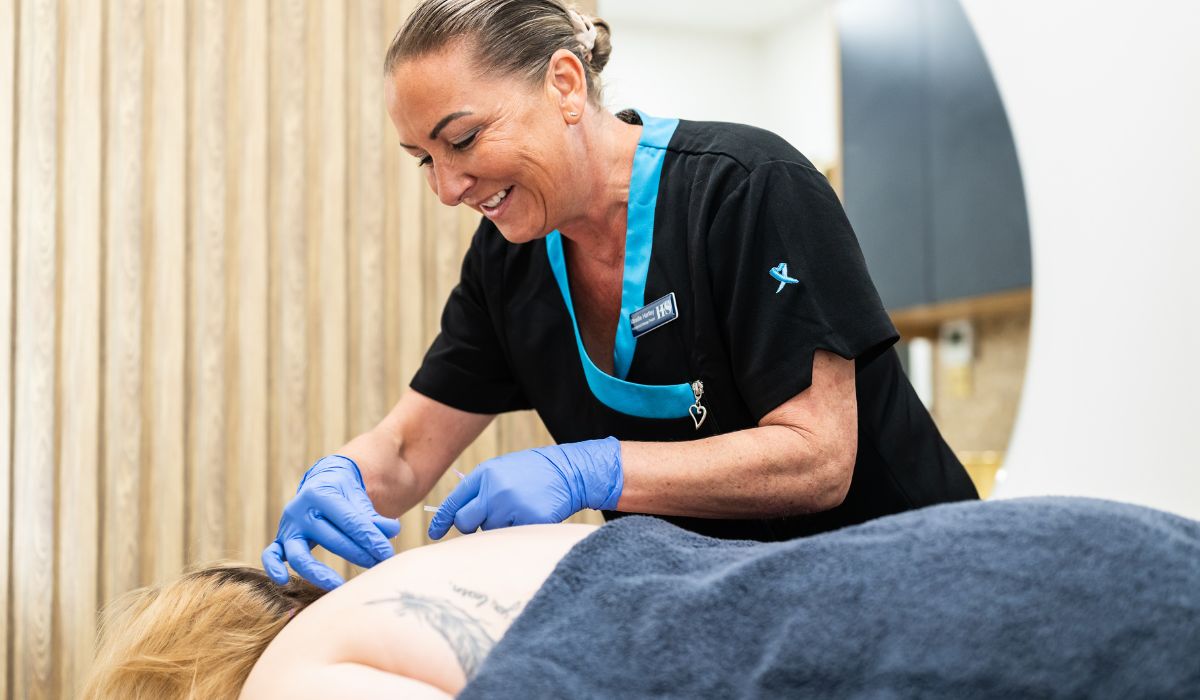
Complementary Therapies at The Health Suite Leicester
Holistic Complementary Therapies for Enhanced Well-Being at The Health Suite Leicester
A complementary therapy service involves the integration of alternative and holistic treatments, such as acupuncture, herbal medicine, and mindfulness practices, alongside conventional medical approaches to promote overall well-being and enhance the effectiveness of healthcare. Complementary therapy treatments provide a holistic approach to health and well-being, focusing on the integration of mind, body, and spirit. These therapies, including options like reflexology, acupuncture, aromatherapy, and massage, aim to relieve stress, reduce pain, and promote relaxation. They work alongside traditional medical treatments to enhance healing, improve energy levels, and support emotional well-being. Complementary therapies are tailored to meet individual needs, offering personalised care to address specific concerns such as anxiety, muscle tension, or chronic pain. With a focus on natural healing, these treatments help improve overall health and contribute to a balanced, harmonious lifestyle.
Complementary therapies offer numerous benefits that support both physical and emotional well-being. One of the key advantages is stress relief, as treatments like aromatherapy and massage promote deep relaxation and help reduce anxiety. These therapies can also be highly effective in managing pain, providing relief for conditions such as chronic pain, arthritis, and muscle tension. Additionally, complementary therapies can improve circulation, boost energy levels, and enhance sleep quality, contributing to overall vitality. By addressing both the mind and body, these treatments foster emotional balance, reduce feelings of fatigue, and support mental clarity, helping individuals achieve a more harmonious and healthy lifestyle.
Complementary therapies at The Health Suite Leicester offer holistic treatments designed to support overall well-being and enhance traditional medical care. The clinic provides a variety of therapies, including craniosacral therapy, reflexology, aromatherapy, and massage, aimed at promoting relaxation, reducing stress, and improving circulation. These treatments can also help with pain management, support emotional health, and improve sleep quality. By addressing both physical and emotional aspects of health, the complementary therapies at The Health Suite Leicester offer a balanced approach to healing, complementing medical treatments and contributing to a better quality of life for patients.
Why choose The Health Suite Leicester for Complementary Therapies?
Choose The Health Suite Leicester for expert, personalised healthcare, fast access to specialists, advanced diagnostics and exceptional patient care.
-
Holistic Expertise
Our complementary therapies service is led by skilled practitioners who specialise in a diverse range of holistic approaches, ensuring you receive well-rounded and comprehensive care that supports your overall well-being.
-
Integrated Wellness Plans
Our complementary therapies service seamlessly integrates alternative treatments with conventional medicine, creating personalised wellness plans that address your unique health needs from multiple angles.
-
Tailored to You
Our complementary therapies service designs individualised treatment paths that consider your health goals, preferences, and medical history, ensuring a personalised and effective approach to enhancing your well-being.
Treatments at The Health Suite Leicester
Acupuncture
Non-invasive, drug-free pain and stress management in Leicester. Access professional medical acupuncture inside a calm, premium clinical setting.
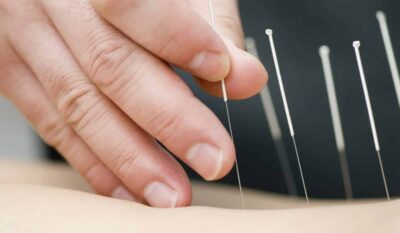
Acupuncture for Sports and Muscle Injuries
Relieve acute pain, clear inflammation, and restore flexibility with expert, drug-free care.
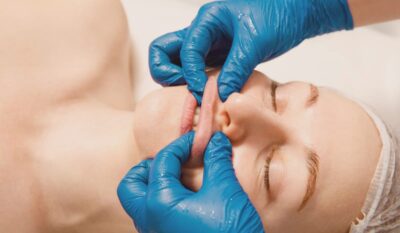
Buccal Facial Massage
Private buccal facial massage in Leicester. Advanced intraoral technique to lift facial contours, reduce puffiness, and relieve deep jaw tension.

Aromatherapy Massage
Private aromatherapy massage in Leicester. Relaxing full-body therapy using custom-blended essential oils to relieve stress and muscle tension.
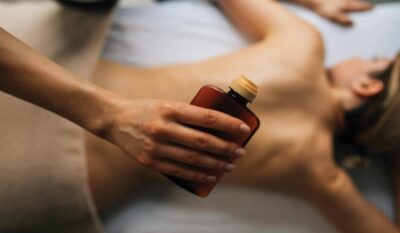
Deep Tissue Massage
Private deep tissue massage in Leicester. Therapeutic, firm-pressure massage targeting deeper muscle layers to relieve chronic pain and stiffness.
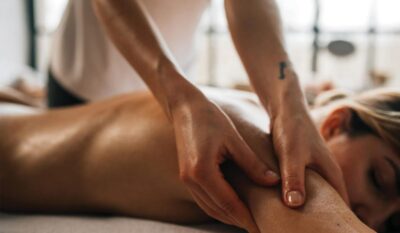
Remedial and Sports Massage
Expert remedial and sports massage in Leicester. Reduce muscle tightness, ease chronic pain, and recover faster from training or injury.
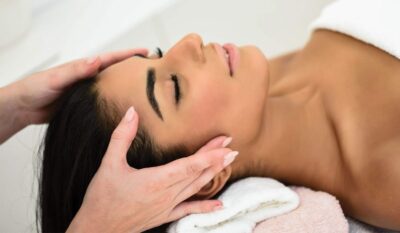
Indian Head Massage
Private Indian Head Massage in Leicester. Traditional therapeutic massage targeting the scalp, neck, and shoulders to relieve stress and headaches.
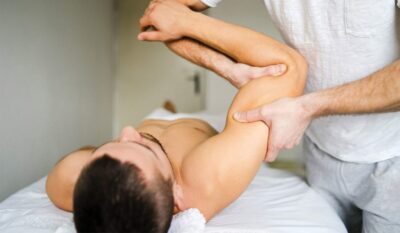
Lymphatic Drainage Massage
Recovering from liposuction or managing lymphedema? Access expert Manual Lymphatic Drainage (MLD) therapy inside our premium, private Leicester clinic.
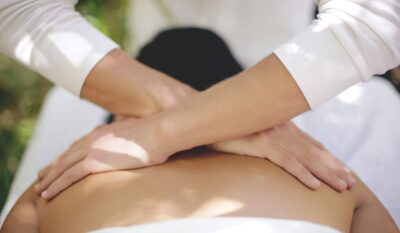
Myofascial Release
Private Myofascial Release in Leicester. Specialist manual physical therapy to stretch rigid fascia, eliminate deep muscle knots, and restore mobility.
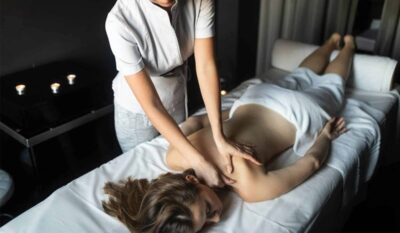
Swedish Body Massage
Private Swedish body massage in Leicester. Classical full-body massage using gentle gliding strokes to relieve everyday stress and muscle tension.

Emotional Freedom Technique (EFT)
Emotional Freedom Technique for anxiety, stress, trauma, low mood & emotional wellbeing with expert support.
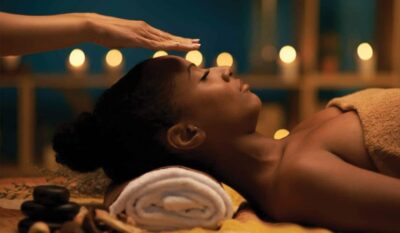
Reiki
Private Reiki Therapy in Leicester. Gentle, deeply restorative energy healing to reduce stress, balance your vitality, and support mental calm.
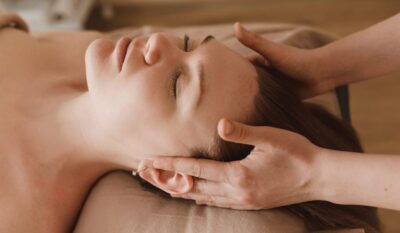
Craniosacral Therapy
Private Craniosacral Therapy in Leicester. Gentle, deeply restorative touch therapy to calm the nervous system, relieve migraines, and ease pain.
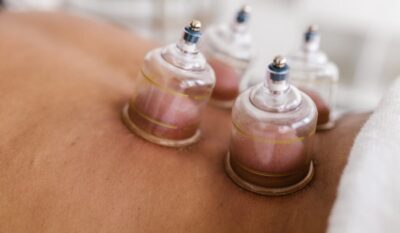
Dry Cupping
Private Dry Cupping Therapy in Leicester. Professional myofascial decompression to relieve chronic muscle knots, improve circulation, and speed recovery.
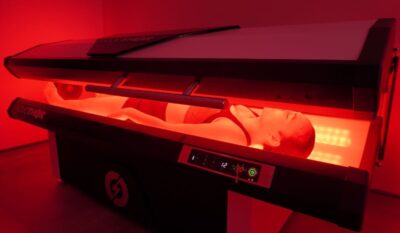
Red Light Bed Therapy (PBM)
Boost cellular energy and relieve pain with advanced Red Light Therapy in Leicester. Perfect for sports recovery, arthritis, and anti-ageing.
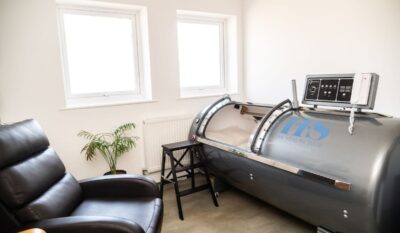
Hyperbaric Oxygen Therapy
Experience advanced HBOT at The Health Suite. Personal chambers safely deliver pure oxygen to reduce pain, heal wounds, and restore energy.
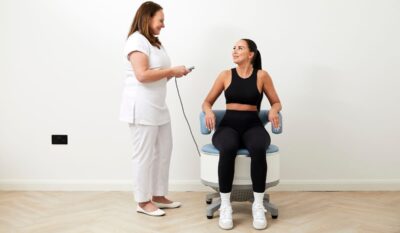
Advanced Pelvic Floor Strengthening with the Ultra Tesla Chair
A non-invasive, fully clothed treatment for incontinence.
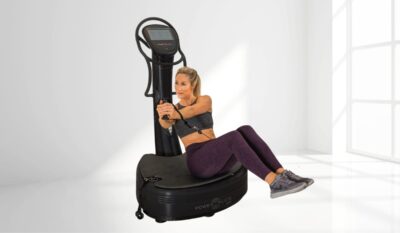
Power Plate Therapy
Discover advanced whole-body vibration therapy at Leicester. Enhance bone density, tone muscle, improve balance, and reduce stiffness safely.

The Ultra Human Protocol – The Ultimate Health Optimisation System
Optimise your health at The Health Suite Leicester. A 3-step biohacking system for recovery, energy, and longevity.
Have a query about Complementary Therapies at The Health Suite Leicester?
We recognise that getting the healthcare assistance you need can be difficult. So if you have a query, feel free to contact us and one of our treatment co-ordinators will be happy to help. We aim to reply to all queries within 24 hours (Mon – Fri).