
What are moles – and when and how are they treated?
- Published:
- Last medically reviewed:
Understanding moles
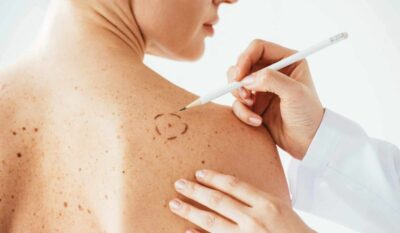
Moles, also known as nevi, are pigmented lesions or growths that form on the skin. These growths are typically harmless and are considered benign, meaning they are non-cancerous. They can vary in colour, shape, and size, and they generally appear during childhood or early adulthood. Most of them do not require removal unless they cause discomfort, irritation, or aesthetic concerns.
In some cases, it may become bothersome due to factors like frequent rubbing, chafing, or changes in appearance, which may prompt individuals to seek advice from a dermatologist. If a mole starts to look suspicious, changes in size, shape, or colour, or if it becomes painful, it may require further examination to rule out any risk of skin cancer.
When they are removed, the procedure is typically referred to as excision. This is a minor surgical procedure where the mole is carefully cut out by a dermatologist, and the tissue is often sent to a lab for testing to ensure there are no signs of malignancy. It can also be removed for purely cosmetic reasons if it affects one’s appearance.
Click here to book a mole removal appointment with The Health Suite Leicester
While most moles are harmless, regular skin checks and monitoring changes in moles are important for overall skin health. If you notice any changes in your moles, it’s advisable to consult with a dermatologist for proper evaluation and advice.
The Importance of Having Moles Checked
Regularly checking your moles is crucial for maintaining skin health and identifying any potential risks, such as skin cancer. Although most are harmless, it’s important to monitor them for any changes over time. Here’s why checking your moles is essential:
-
Early Detection of Skin Cancer: Skin cancer, including melanoma, can develop in or near moles. By regularly checking your moles, you can spot any changes in size, shape, colour, or texture that might signal the presence of skin cancer. Early detection is key to successful treatment, as melanoma and other skin cancers are more treatable when caught early.
-
Monitor for Changes: Moles can change over time due to various factors like ageing, sun exposure, or other environmental influences. Keeping an eye on your moles allows you to notice any significant changes. A mole that starts to itch, bleed, become painful, or show an irregular shape or uneven colour may require medical attention.
-
Assess New Moles: New moles or growths that appear after the age of 30 should be carefully monitored. While new moles are generally harmless, they can sometimes be a sign of abnormal cell growth. Getting new moles checked by a dermatologist ensures they are benign and not precursors to skin cancer.
-
ABCDE Rule for Melanoma: Dermatologists often use the ABCDE rule to assess it and spots for melanoma. This rule focuses on asymmetry, border irregularity, colour variation, diameter, and evolution (changes over time). If a mole fits these criteria, it is important to consult with a doctor for further examination.
-
Peace of Mind: Regular mole checks provide reassurance that your moles are healthy and not indicative of any underlying issues. If you notice any concerning changes, having them evaluated by a healthcare professional can provide peace of mind and ensure that any issues are addressed promptly.
In summary, checking your moles regularly is an important part of skin health. Early detection of potential problems, like skin cancer, can significantly improve the outcome of treatment. If you notice any changes in your moles, it is always best to consult with a dermatologist for further evaluation and guidance.
Click here to book a mole removal appointment with The Health Suite Leicester
The mole removal process
Removing skin lesions, including it, usually occurs under local anaesthesia. The procedure begins with thoroughly examining it and then cleaning the surrounding area with an antibacterial solution to prevent infection. A surgical drape may then be placed to ensure a sterile working environment.
Your consultant dermatologist will remove the mole by making an oval cut around it – this process is referred to as an excision. In some cases, they may opt for a shave excision, which will be discussed with you before proceeding with treatment. The excised moles are then placed in specimen jars and, if needed, sent for lab analysis.
After cutting it away, your consultant will stitch the wound (if required) and cover it with a dressing.
Post-mole removal care
You should be able to return home shortly after your mole removal procedure. If you experience any discomfort, over-the-counter pain relief such as Paracetamol can help alleviate this.
Generally, you should be able to resume work the day after your procedure unless your job involves activities that might strain the treated area. It’s important to discuss your work and activity plans with your consultant.
While it’s rare for this procedure to impede daily activities, any surgical procedure can potentially lead to complications, including pain, bleeding, infection at the surgical site, scarring, or wound breakdown (failure of the skin to heal). We are available post-procedure should the need arise.
If your excised mole was sent off for further analysis, our Consultant Dermatologist will communicate the results to you once available. The results do take a few weeks to come back.
Specific Complications in Mole Removal
There’s a chance that the mole might reappear after removal, or a more extensive operation may be needed.
Click here to book a mole removal appointment with The Health Suite Leicester
Skin Lesion Photography and Mole Check Appointment
Includes nurse appointment, questionnaire, up to 3 mole images, and dermatologist-reviewed report within 24–48 hours.
Full Mole Mapping Appointment (Full Body Skin Check)
For those who want a thorough, head-to-toe skin review, this is our most comprehensive option.
Mole Removal by Excision and Stitching
Mole Removal by Excision and Stitching involves cutting out the mole, stitching the skin, and allowing for proper healing, typically used for larger or deeper moles.
Mole Removal by Shave Excision
Mole Removal by Shave Excision involves shaving off the mole at skin level under local anaesthetic for cosmetic or diagnostic purposes, with minimal scarring.
Common Q&A about Moles
Want to book a mole removal appointment in Leicester
Mole removal is a medical procedure that involves the removal of a benign or potentially concerning skin growth (mole) through various methods to address cosmetic or health-related concerns.
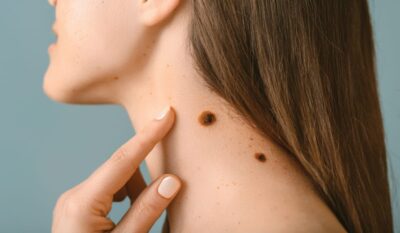
Mole Mapping
Book private Mole Mapping at The Health Suite Leicester. Get advanced digital dermoscopy and expert skin cancer screenings from consultant dermatologists

Mole Removal
Private Mole Removal in Leicester. Safe, doctor-led surgical excision under local anaesthetic with professional histology testing and minimal scarring.
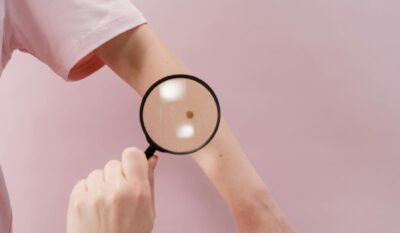
Skin Lesion Photography and Mole Check
Skin Lesion Photography in Leicester. Get fast-track digital screening and consultant dermatologist reviews.
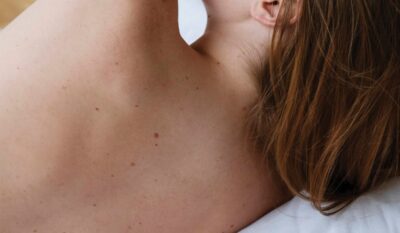
Cryotherapy Treatment
Private Cryotherapy Skin Treatments in Leicester. Safe, medical-grade freezing to remove skin tags, warts, sun damage, and benign lesions.
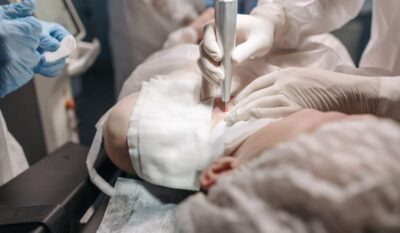
GP-Led Minor Skin Surgery
Book private GP-Led Minor Skin Surgery at The Health Suite Leicester. Safe, sterile removal of moles, cysts, lipomas, and skin tags with minimal scarring.
General Dermatology
Private General Dermatology in Leicester. Professional medical care, rash diagnostics, acne management, and mole checks in a modern clinic setup.