Treatment options and pricing
Browse and click below to book any of our available service.
ECG (Electrocardiogram)
Included in the ECG (Electrocardiogram)
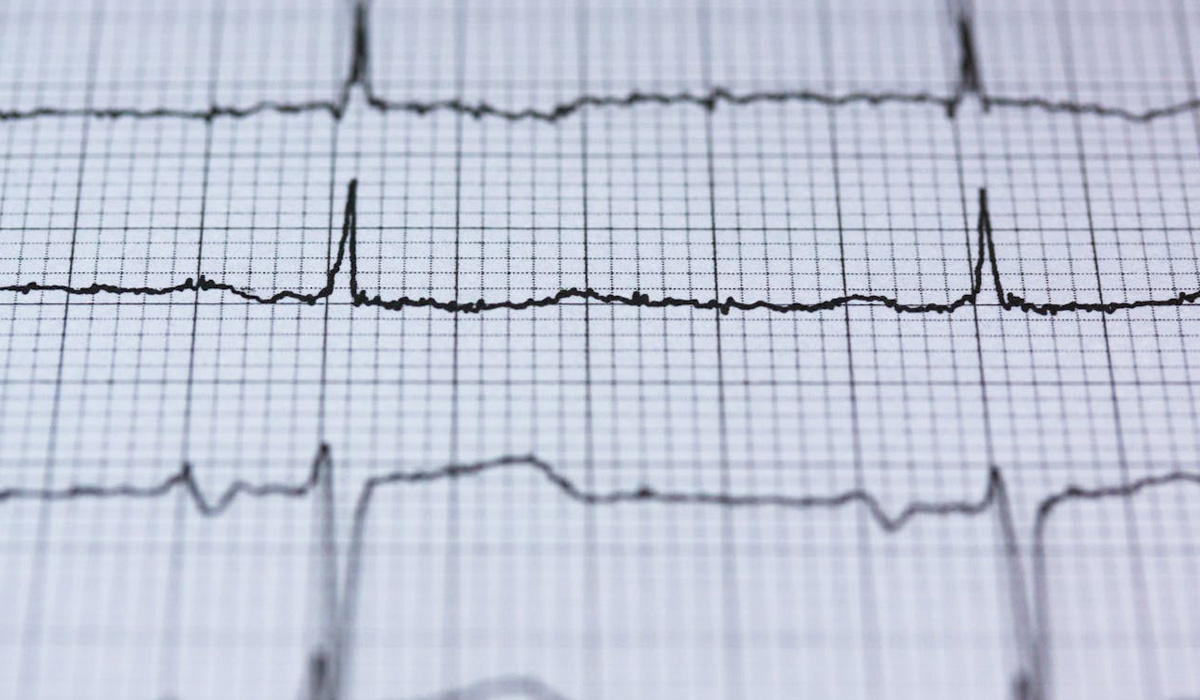
During your ECG appointment, you will undergo a painless and non-invasive electrocardiogram test that records your heart’s electrical activity, and you will receive a comprehensive report and analysis of the results, providing valuable insights into your heart’s health and functioning.
During a 24 hours ECG monitor, you wear a portable device that continuously records your heart’s electrical activity, providing valuable information for diagnosing and monitoring cardiac conditions at different durations, with corresponding costs.
Common Q&A about ECG (Electrocardiogram)
Our FAQ section is designed to address common questions you may have, from how our treatments work to what you can expect during and after your session.
Our team is always available to provide additional support if you need more personalised guidance, ensuring that you feel informed and confident every step of the way.
An ECG, or Electrocardiogram, is a non-invasive medical test that records the electrical activity of your heart over some time. It helps diagnose and monitor various heart conditions by capturing the heart’s rhythm and electrical impulses.
An ECG is often performed to assess symptoms like chest pain, palpitations, shortness of breath, dizziness, or fainting. It’s also used to detect heart conditions such as arrhythmias, heart attacks, and other abnormalities in heart function.
During an ECG, small electrodes are attached to your chest, arms, and legs. These electrodes detect the electrical impulses generated by your heart, and the data is recorded on a monitor or paper. The test usually takes just a few minutes.
No, an ECG is a painless procedure. The electrodes only detect electrical activity and do not emit any electricity. You might feel slight discomfort when the electrodes are applied or removed, but the test itself is painless.
Generally, no special preparation is needed for an ECG. You may be asked to avoid heavy exercise, caffeine, or certain medications before the test. It's also helpful to wear loose-fitting clothing to allow easy access to your chest.
The results of an ECG can show if your heart is beating too fast, too slow, or irregularly. It can also detect signs of a previous or ongoing heart attack, structural problems with the heart, or electrolyte imbalances.
Yes, there are several types of ECG tests, including a resting ECG (performed while lying down), a stress ECG (performed during exercise), and a Holter monitor (a portable device worn for 24-48 hours to monitor heart activity over time).
Yes, an ECG can help detect a heart attack by showing patterns in the electrical activity of the heart that indicate damage to the heart muscle. It’s a key tool in diagnosing and managing heart attacks.
ECG results are often available immediately after the test. A healthcare professional can analyze the results on the spot and discuss them with you, especially if any urgent issues are detected.
An ECG is a very safe and low-risk procedure. It’s non-invasive and doesn’t involve radiation exposure. The most common issue might be slight skin irritation where the electrodes were attached, but this is usually mild and temporary.
Advice from the experts
Read clear, expert advice from our clinicians, offering trusted advice, clinical insight, and practical guidance to help you understand your treatment and care options.




Symptom checker
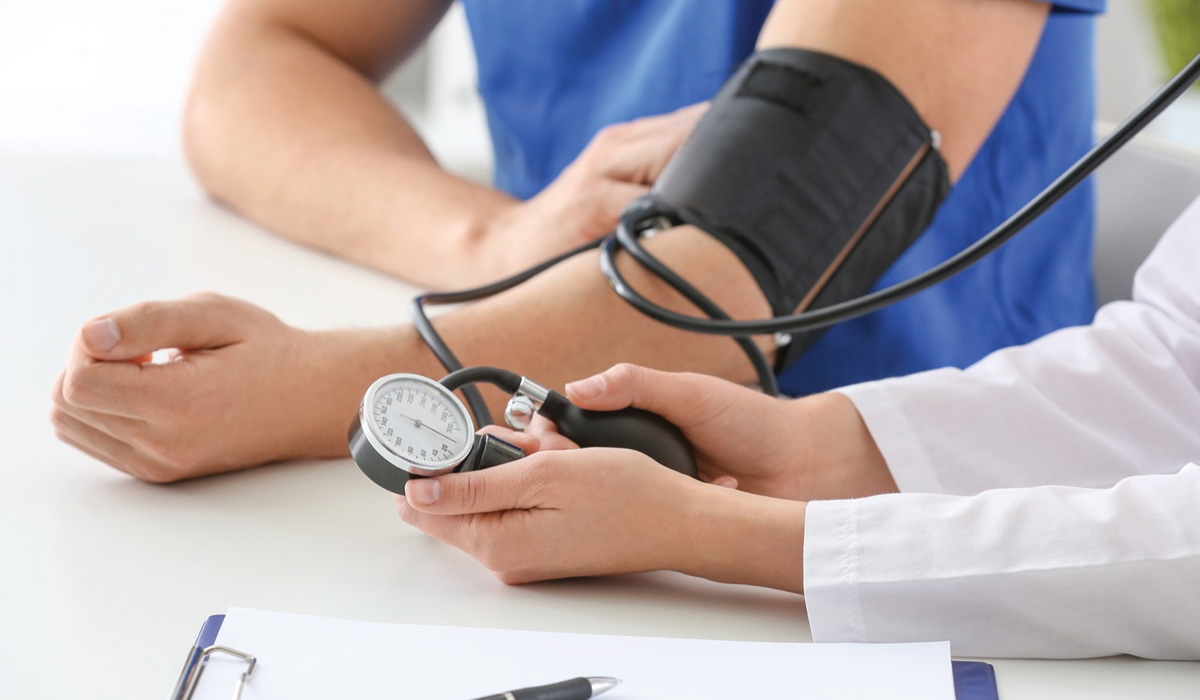
If you are experiencing any of these symptoms, please book an appointment with us. Symptoms can vary from person to person and from condition to condition.A proper diagnosis can only be made through a thorough medical examination.
Our clinicians will carry out a full assessment to ensure an accurate diagnosis and appropriate care.
Are you having chest pain or discomfort?
Chest pain can signal heart rhythm problems, reduced blood flow, or other cardiac issues. An ECG records your heart’s electrical activity to help determine the cause and guide next steps.
Do you notice heart palpitations or irregular heartbeat?
Palpitations or skipped, fast, or fluttering beats may indicate arrhythmias. An ECG can detect abnormalities in rhythm and help diagnose underlying heart conditions.
Are you experiencing dizziness, fainting, or light‑headedness?
Symptoms like dizziness or fainting can be linked to abnormal heart rhythms or reduced heart function. An ECG helps assess the heart’s electrical patterns for abnormalities.
Do you have shortness of breath or unexplained fatigue?
Breathlessness or persistent fatigue may be related to heart rhythm or blood flow issues. An ECG can help identify if your heart’s electrical activity is contributing to these symptoms.
Do you have a family history of heart disease or risk factors?
If you have risk factors like high blood pressure, high cholesterol, diabetes, or heart disease, an ECG can screen for early signs of cardiac issues before symptoms worsen.
Are you having symptoms before surgery or starting new medications?
Doctors often request ECGs before procedures or certain treatments to check heart health and create safe plans, ensuring your heart’s electrical activity is normal.
What we treat
At The Health Suite Leicester, our private medical clinic offers expert care whenever you need it. Our team of experienced GPs and healthcare professionals provide personalised diagnosis and treatment for a wide range of medical conditions, ensuring high-quality, professional care in a comfortable setting.
Click below to view useful info on a few of the common conditions we treat:
Arrhythmias & irregular heartbeats
We detect and analyse abnormal heart rhythms, including fast, slow, or irregular beats, helping guide diagnosis and treatment decisions.
Coronary heart disease signs
ECG helps identify signs of reduced blood flow or damage from heart attacks, assisting in diagnosing coronary conditions early.
Heart rate assessment
We assess how fast or slow your heart is beating to evaluate overall heart function and consider further investigations if needed.
Pre‑surgical and medication screening
ECGs are used before operations or starting certain drugs to ensure your heart is functioning safely.
Monitoring existing heart conditions
Regular ECGs can track changes in heart activity over time, helping tailor treatments and monitor disease progression.
many more
Our clinicians manage a broad spectrum of conditions, and individual assessment allows us to tailor care beyond the examples listed. We encourage you to book a consultation to discuss your symptoms and appropriate treatment options.