

Intravenous Iron Infusions at The Health Suite
Blood tests required (and when)
To proceed safely, we require recent blood tests (usually within 4 weeks). If you don’t have these, we can arrange testing at The Health Suite.
Before treatment (usually within 4 weeks)
Core tests:
- Full Blood Count (FBC)
- Ferritin and TSAT / iron studies
- CRP if inflammation is suspected
- Phosphate (baseline) – important with ferric carboxymaltose infusions
Additional tests often recommended in young people:
- Vitamin D / calcium / ALP (where clinically indicated, especially if dietary restriction, malabsorption, or bone symptoms)
- Coeliac screening or further GI investigations may be recommended depending on history and symptoms
After treatment
- Repeat Hb, ferritin and TSAT usually around 6–8 weeks
- Phosphate recheck timing depends on dose and risk factors, and is discussed during consent
What happens at your appointment (specialist pathway)
1) Specialist consultation (paediatric gastroenterologist lead)
- Symptoms, history, menstrual history (where relevant), diet, GI symptoms, and underlying causes
- Review of blood tests and suitability
- Dose planning, consent, and safety discussion
2) Infusion appointment
- Cannulation and IV iron delivered by trained clinicians
- Monitoring during the infusion
- Observation after the infusion (typically at least 30 minutes)
3) Aftercare and follow-up
- Written aftercare advice
- Follow-up blood test plan (including iron markers and phosphate when needed)
- Communication to GP/primary care if appropriate
Phosphate monitoring (important information)
Ferinject® can cause low phosphate (hypophosphataemia) in some patients. In rare cases, clinically significant low phosphate can lead to bone pain and complications such as osteomalacia.
Our specialist pathway includes:
- A phosphate risk assessment
- Baseline phosphate testing (and follow-up testing when clinically indicated)
- Clear advice on what symptoms to report and when to seek medical review
How many doses might be needed?
Some young people will need one infusion; others may require two, depending on weight and iron deficit.
For safety, there are limits on how much ferric carboxymaltose can be given within a week. If a second infusion is required, we will plan the timing and monitoring with you.
Treatment options and pricing
Browse and click below to book any of our available service.
Paediatric Initial Appointment
Included in the Paediatric Initial Appointment
The paediatric initial appointment for IV iron (ages 14–18) involves a specialist consultation with a paediatric gastroenterologist, reviewing symptoms, medical and menstrual history, blood test results, dose calculation, safety discussion, and planning the infusion pathway.
IV Iron Infusion for Young People
Included in the IV Iron Infusion for Young People
The paediatric IV iron infusion is dose-dependent, tailored to weight and the degree of iron deficiency. Delivered by trained clinicians in a medical setting, it includes cannulation, monitoring during infusion, observation afterwards, and clear aftercare instructions.
Infusion up to 1,000mg where appropriate
Second IV iron infusion (if needed)
Included in the Second IV iron infusion (if needed)
If a second dose is required, the paediatric IV iron infusion. Administered by trained clinicians with full monitoring, observation, and aftercare instructions, ensuring safe and effective iron repletion for young people aged 14–18.
IV Iron Infusion Screening Blood Test
Included in the IV Iron Infusion Screening Blood Test
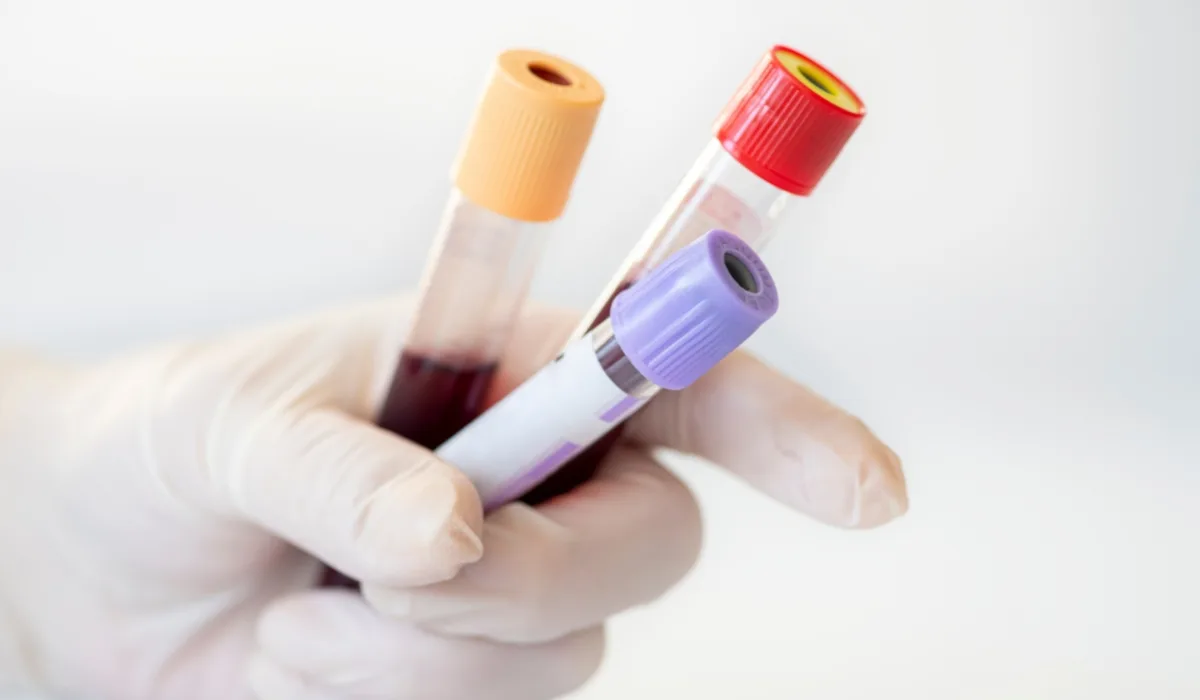
The IV Iron Infusion Screening Blood Test measures FBC, ferritin, TSAT, UE, CRP, and phosphate to evaluate iron levels, inflammation, kidney function, and overall health. This ensures your iron infusion is safe, effective, and tailored to your needs.
- Haemoglobin
- Red Blood Count
- HCT
- MCV
- MCH
- MCHC
- RDW
- Platelets
- MPV
- White cell count
- Neutrophils
- Lymphocytes
- Monocytes
- Eosinophils
- Basophils
- Sodium
- Potassium
- Urea
- Creatinine
- Ferritin
- Transferrin Saturation
- Serum Iron
- Transferrin
- Iron Binding Capacity
- Phosphate
- HS- CRP
- Total Protein
- Albumin
- Globulin
- Total Bilirubin
- Alkaline phosphatase
- ALT/GPT
- AST/GOT
- Gamma GT
Complete the online form to check your suitability, and a member of our team will be in touch shortly.
Common Q&A about Intravenous Iron Infusions for Young People (Ages 14–18)
Our FAQ section is designed to address common questions you may have, from how our treatments work to what you can expect during and after your session.
Our team is always available to provide additional support if you need more personalised guidance, ensuring that you feel informed and confident every step of the way.
Yes. We encourage parent/guardian attendance and follow all safeguarding procedures to ensure the young person’s safety and comfort.
Some improvement may be noticed within days to weeks. Blood results are typically rechecked at 6–8 weeks to monitor progress.
Yes. IV iron (Ferinject®) is widely used in adolescents. Rare allergic reactions can occur, but screening, trained staff, and monitoring ensure safety.
This pathway is for teens (14–18) with confirmed iron deficiency, with or without anaemia, particularly when oral iron isn’t tolerated, hasn’t worked, or absorption is reduced.
No. We do not provide IV iron during pregnancy. Please seek care through NHS maternity services.
Some require one infusion; others may need two, depending on weight and iron deficit. The second infusion is scheduled with monitoring to ensure safety.
Recent blood tests (usually within 4 weeks) are needed: Full Blood Count (FBC), ferritin, TSAT, and CRP if inflammation is suspected. Additional tests like vitamin D, calcium, or coeliac screening may be recommended.
The young person is cannulated, IV iron (Ferinject®) is delivered by trained clinicians, and they are monitored during and after the infusion (typically at least 30 minutes).
We provide written aftercare advice, a follow-up blood test plan (including iron and phosphate levels when needed), and communication with your GP if appropriate.
IV iron is generally well-tolerated. Minor side effects may include mild headache, nausea, or flushing. Rare serious allergic reactions are monitored for, with immediate medical support available.
Advice from the experts
Read clear, expert advice from our clinicians, offering trusted advice, clinical insight, and practical guidance to help you understand your treatment and care options.



Symptom checker
If you are experiencing any of these symptoms, please book an appointment with us. Symptoms can vary from person to person and from condition to condition.A proper diagnosis can only be made through a thorough medical examination.
Our clinicians will carry out a full assessment to ensure an accurate diagnosis and appropriate care.
Is your child constantly tired despite adequate sleep?
Ongoing fatigue, low energy, or reduced motivation may be linked to iron deficiency, even if anaemia is mild.
Does your child feel dizzy, faint, or short of breath during normal activities?
Low iron can reduce oxygen delivery to the body, causing breathlessness or light-headedness.
Has school performance or concentration declined?
Iron deficiency can affect attention, memory, and mental clarity in teenagers.
Does your child have heavy periods?
Heavy menstrual bleeding is a common cause of iron deficiency in adolescent girls.
Has oral iron caused stomach upset or not improved levels?
Some young people cannot tolerate iron tablets due to nausea, constipation, or poor absorption.
Are blood tests showing low ferritin or iron levels?
Low iron stores confirmed on blood tests may require specialist assessment and treatment.
What we treat
At The Health Suite Leicester, our private medical clinic offers expert care whenever you need it. Our team of experienced GPs and healthcare professionals provide personalised diagnosis and treatment for a wide range of medical conditions, ensuring high-quality, professional care in a comfortable setting.
Click below to view useful info on a few of the common conditions we treat:
Iron Deficiency in Adolescents
We assess and treat confirmed iron deficiency in young people, particularly where symptoms are affecting school, sport, or daily functioning.
Iron Deficiency Anaemia
When low iron leads to anaemia, IV iron can restore levels more quickly and effectively than tablets in selected cases.
Heavy Menstrual Bleeding–Related Iron Loss
Adolescent girls with significant menstrual blood loss may benefit from IV iron when oral supplements are insufficient.
Oral Iron Intolerance
For children who cannot tolerate iron tablets due to side effects, IV iron provides a safe alternative under specialist supervision.
Persistent Symptoms Despite Treatment
If fatigue, dizziness, or poor concentration continue despite oral therapy, a paediatric-led IV pathway may be appropriate.
many more
Our clinicians manage a broad spectrum of conditions, and individual assessment allows us to tailor care beyond the examples listed. We encourage you to book a consultation to discuss your symptoms and appropriate treatment options.