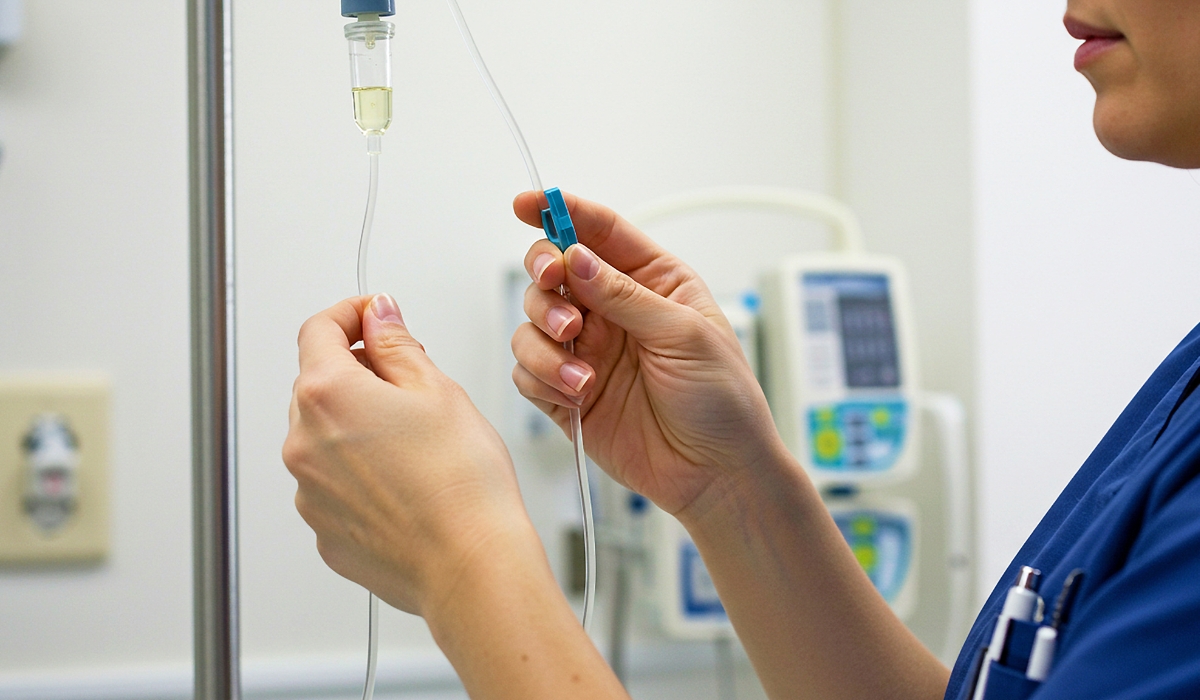

Intravenous Iron Infusions at The Health Suite
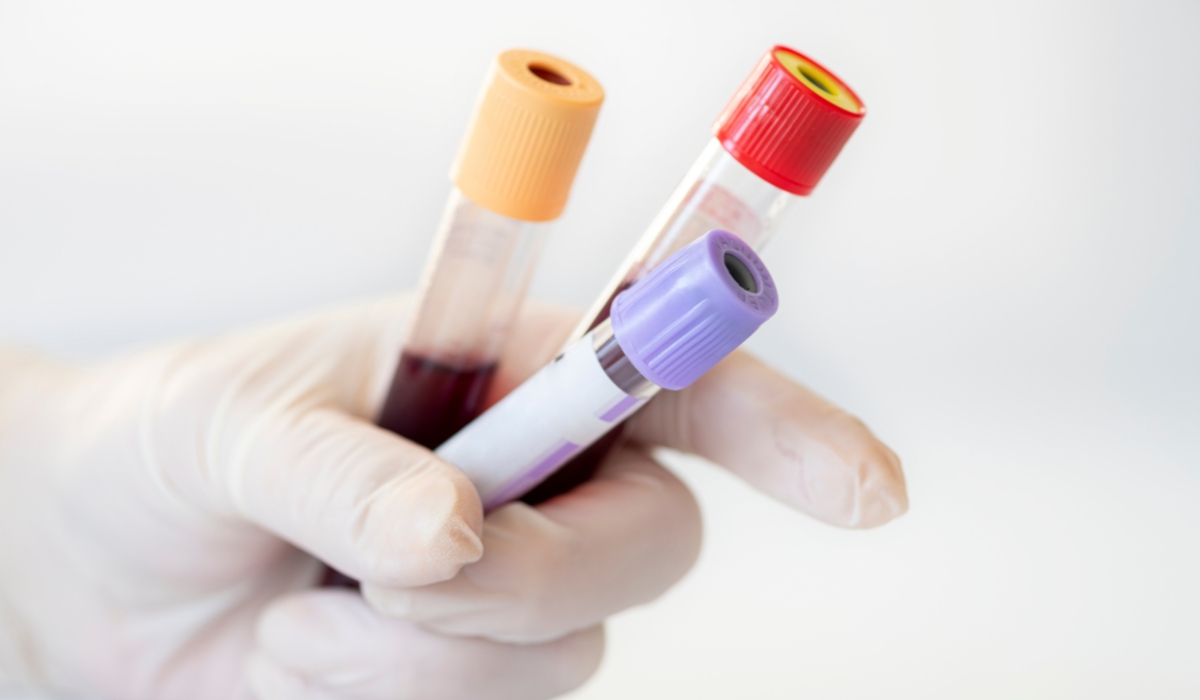
What blood tests are needed
To proceed safely, we require recent blood tests (usually within 4 weeks). If you don’t have these, we can arrange testing at The Health Suite.
BEFORE treatment (usually within 4 weeks)
Core tests:
- Full Blood Count (FBC): Hb and indices (e.g., MCV/MCH)
- Ferritin and transferrin saturation (TSAT) / iron studies: to confirm iron deficiency
- CRP (if inflammation is suspected) to help interpret ferritin
Additional tests (as clinically indicated):
- U&E/eGFR and liver function tests (especially if underlying disease or medication use)
- B12/folate (if the blood picture suggests mixed deficiency or symptoms indicate)
- Additional investigations may be recommended to assess the cause of iron deficiency (e.g., coeliac screening, GI evaluation, menstrual history review)
PREGNANCY CHECK: Because we do not treat pregnant patients, we will ask pregnancy screening questions and may require a pregnancy test if there is any possibility of pregnancy.
AFTER treatment
- Repeat Hb, ferritin and TSAT at around 6–8 weeks to confirm repletion and response.
(We typically do not assess response earlier than 4 weeks after treatment.)
What happens at your appointment (our adult pathway)
1) Suitability and booking
- Online enquiry or telephone booking
- We confirm recent blood tests (or arrange them)
2) Nurse-led clinical assessment
- Symptoms, medical history, allergy history, and suitability screening
- Blood results review and dose planning
3) The infusion
- Cannulation and IV iron administration by trained clinicians
- Monitoring during the infusion
- Observation after treatment (typically at least 30 minutes)
4) Aftercare
- Discharge advice and “when to seek help” guidance
- Follow-up blood test plan at 6–8 weeks
- Results review and next-step advice (e.g., dietary guidance, addressing causes, or monitoring plan)
Treatment options and pricing
Browse and click below to book any of our available service.
Adult IV Iron Infusion Appointment (Monofer®)
Included in the Adult IV Iron Infusion Appointment (Monofer®)
Includes nurse assessment, blood review, dose calculation, safe infusion in a medical setting, observation, and a follow-up blood test plan.
Pricing:
* Up to 1,000mg: £695
* 1,001–1,500mg: £895
* 1,501–2,000mg: £1,095
Blood tests can be included or added depending on your package choice.
IV Iron Infusion Screening Blood Test
Included in the IV Iron Infusion Screening Blood Test
The IV Iron Infusion Screening Blood Test measures FBC, ferritin, TSAT, UE, CRP, and phosphate to evaluate iron levels, inflammation, kidney function, and overall health. This ensures your iron infusion is safe, effective, and tailored to your needs.
- Haemoglobin
- Red Blood Count
- HCT
- MCV
- MCH
- MCHC
- RDW
- Platelets
- MPV
- White cell count
- Neutrophils
- Lymphocytes
- Monocytes
- Eosinophils
- Basophils
- Sodium
- Potassium
- Urea
- Creatinine
- Ferritin
- Transferrin Saturation
- Serum Iron
- Transferrin
- Iron Binding Capacity
- Phosphate
- HS- CRP
- Total Protein
- Albumin
- Globulin
- Total Bilirubin
- Alkaline phosphatase
- ALT/GPT
- AST/GOT
- Gamma GT
Complete the online form to check your suitability, and a member of our team will be in touch shortly.
Common Q&A about Intravenous Iron Infusions for Adults (18+)
Our FAQ section is designed to address common questions you may have, from how our treatments work to what you can expect during and after your session.
Our team is always available to provide additional support if you need more personalised guidance, ensuring that you feel informed and confident every step of the way.
An IV iron infusion delivers iron directly into the bloodstream to rapidly correct iron deficiency when oral supplements aren’t effective or tolerated.
Patients with iron deficiency or iron deficiency anaemia, especially those with heavy menstrual bleeding, chronic kidney disease, gastrointestinal disorders, pre/post-operative iron deficiency, or oncology-related anaemia.
IV iron is given through a small needle into a vein by a trained clinician in a fully equipped clinic. Infusions usually last 15–60 minutes depending on the preparation used.
Yes. IV iron infusions are generally safe when administered by experienced healthcare professionals, though mild side effects like headache or nausea may occur. Serious reactions are rare.
Many patients achieve full correction in a single visit with formulations like Monofer®. Some may require multiple doses depending on iron levels and individual needs.
Some people notice improvement within days to weeks, but response varies. We recommend follow-up blood tests at 6–8 weeks.
Blood tests include Full Blood Count (FBC), ferritin, transferrin saturation (TSAT), and sometimes CRP, kidney, and liver function tests to confirm iron deficiency and safety.
IV iron may not be suitable for patients with a history of severe allergic reactions to iron, iron overload disorders, pregnancy, active infections, decompensated liver disease, or anaemia not caused by iron deficiency.
Many patients notice improved energy and reduced fatigue within 1–2 weeks after their infusion, though full iron restoration may take 6–8 weeks.
Please see our Young People IV Iron service (14–18), led by a paediatric gastroenterologist.
Advice from the experts
Read clear, expert advice from our clinicians, offering trusted advice, clinical insight, and practical guidance to help you understand your treatment and care options.


Symptom checker
If you are experiencing any of these symptoms, please book an appointment with us. Symptoms can vary from person to person and from condition to condition.A proper diagnosis can only be made through a thorough medical examination.
Our clinicians will carry out a full assessment to ensure an accurate diagnosis and appropriate care.
Are you feeling unusually tired or fatigued?
Persistent fatigue and low energy are common signs of iron deficiency. Even after resting, you may feel unusually weak, struggle with daily activities, or feel exhausted quickly. Low iron reduces oxygen delivery to muscles and organs, causing persistent tiredness.
Do you notice paleness in your skin, lips, or nail beds?
Pale skin, lips, or nail beds can indicate low haemoglobin levels due to iron deficiency. Haemoglobin carries oxygen in the blood, and when iron is low, blood flow to the skin decreases, causing a noticeable paleness, especially in the face, inner eyelids, or fingertips.
Are you experiencing shortness of breath or rapid heartbeat?
Iron deficiency can reduce the oxygen-carrying capacity of your blood, making you feel breathless even during mild activity. Your heart may beat faster to compensate, causing palpitations or a racing heartbeat. These symptoms signal your body is struggling to get enough oxygen.
Do you feel dizzy, lightheaded, or have headaches?
Frequent dizziness, lightheadedness, or tension headaches may be caused by iron deficiency. Low iron affects oxygen delivery to the brain, leading to reduced focus, brain fog, and occasional fainting sensations. Symptoms can worsen during standing or physical exertion.
Are your nails or hair brittle, thinning, or breaking easily?
Brittle nails, hair loss, or slow hair growth are common in iron deficiency. Iron is vital for healthy cell growth and tissue repair. When iron is low, your body prioritises oxygen delivery to essential organs, leaving nails and hair weak, fragile, or thinning over time.
Have you noticed unusual cravings, such as ice, dirt, or starch (pica)?
Pica is the craving for non-food items, often linked to iron deficiency. Eating ice, clay, or starch may seem unusual, but it can indicate low iron levels affecting brain chemistry. Pica is a warning sign that iron supplementation or clinical assessment may be needed.
What we treat
At The Health Suite Leicester, our private medical clinic offers expert care whenever you need it. Our team of experienced GPs and healthcare professionals provide personalised diagnosis and treatment for a wide range of medical conditions, ensuring high-quality, professional care in a comfortable setting.
Click below to view useful info on a few of the common conditions we treat:
Iron‑Deficiency Anaemia
Helping restore iron levels in people with low haemoglobin due to insufficient iron stores, reducing fatigue and weakness.
Chronic Fatigue from Low Iron
Supporting energy and overall well-being when tiredness persists despite rest and lifestyle changes.
Iron Malabsorption or Poor Absorption from Oral Supplements
Treatment when oral iron doesn’t correct deficiency or isn’t tolerated.
Nutrient Deficiencies Identified on Blood Tests
Addressing low iron detected through ferritin or haemoglobin testing as part of clinical diagnostics.
Support for Preventive and Restorative Health
Integrating iron therapy with personalised plans to improve quality of life, energy and metabolic balance.
many more
Our clinicians manage a broad spectrum of conditions, and individual assessment allows us to tailor care beyond the examples listed. We encourage you to book a consultation to discuss your symptoms and appropriate treatment options.