
Paediatric Gastroenterology in Leicester
Expert Paediatric Gastroenterology Care at The Health Suite Leicester
At The Health Suite Leicester, our Paediatric Gastroenterology service provides specialised care for children with digestive, liver, and nutritional disorders. Our experienced pediatric gastroenterologists offer expert diagnosis and treatment for a wide range of conditions, including abdominal pain, reflux, constipation, diarrhoea, food allergies, and inflammatory bowel disease (IBD). We understand that children require unique care and attention, and our team is dedicated to creating a child-friendly, supportive environment for both the young patient and their families. Through comprehensive assessments, including imaging and lab tests, we work to identify the underlying causes of your child’s symptoms and develop tailored treatment plans to improve their digestive health. Whether it’s managing chronic conditions, offering dietary advice, or providing guidance for maintaining optimal gut health, our Paediatric Gastroenterology service ensures the best possible care for your child’s well-being.
Are you concerned about your child’s digestive issues? Our paediatric gastroenterology specialists provide expert care and comprehensive solutions for various gastrointestinal problems affecting children and adolescents. We focus on delivering answers and effective treatments to ease your worries and improve your child’s digestive health.
Key Gastrointestinal Concerns We Address:
At The Health Suite Leicester, we provide specialised care for a wide range of gastrointestinal concerns affecting children, ensuring personalised and effective treatment for each case.
- Chronic Stomach Pain: We understand how persistent abdominal discomfort can disrupt your child’s daily life. Our team works to identify the cause of chronic stomach pain, which may be linked to conditions such as irritable bowel syndrome (IBS), gastritis, or food sensitivities, and develop a tailored management plan that reduces discomfort and supports overall well-being.
- Vomiting and Reflux: Frequent vomiting and acid reflux (GERD) can cause significant distress in children. We provide expert care to address these issues, exploring possible causes such as reflux disease, food allergies, or infections, and offer effective treatments to relieve symptoms, prevent complications, and improve your child’s quality of life.
- Diarrhoea and Constipation: Irregular bowel movements, whether frequent diarrhoea or chronic constipation, can lead to discomfort, pain, and other health issues. Our team offers solutions to address these problems, from dietary adjustments and lifestyle changes to medical treatments, ensuring your child’s digestive system functions properly.
- Swallowing Difficulties: Swallowing issues, also known as dysphagia, can be a sign of underlying problems such as reflux, allergies, or neurological conditions. We assess swallowing difficulties carefully and work with speech therapists or other specialists to develop a treatment plan that supports proper swallowing function and prevents choking or aspiration risks.
- Weight Fluctuations: Unexplained weight loss or weight gain in children can be a sign of underlying digestive or metabolic issues. Our specialists investigate the root causes of weight fluctuations, including conditions like malabsorption, thyroid disorders, or gastrointestinal infections, and create a comprehensive plan to address nutritional and health concerns.
- Dietary Reactions: Food allergies and intolerances can contribute to a variety of gastrointestinal symptoms, such as bloating, stomach pain, or diarrhoea. We provide diagnostic testing to identify food allergies or intolerances, such as lactose or gluten intolerance, and offer dietary recommendations to eliminate triggers while ensuring proper nutrition.
- Inflammatory Bowel Disease (IBD): Conditions like Crohn’s disease and ulcerative colitis are chronic inflammatory conditions that require specialised care. Our team offers expert management for IBD, providing medication, dietary advice, and ongoing monitoring to reduce inflammation, manage flare-ups, and ensure that your child maintains optimal health.
- Comprehensive Diagnostic Testing: We offer a full range of diagnostic tests to accurately diagnose and monitor gastrointestinal conditions. These include blood tests to check for anaemia and signs of inflammation, stool tests to detect infections or digestive issues, and breath tests to diagnose conditions like lactose intolerance or bacterial overgrowth, all aimed at getting to the root cause of your child’s symptoms.
By addressing these key gastrointestinal concerns, The Health Suite Leicester ensures that your child receives thorough, compassionate care, offering the best possible solutions to manage and improve their digestive health.
Advanced Outpatient Diagnostic Services:
- Ultrasound Imaging: Non-invasive technique to examine abdominal organs.
- Specialised Intolerance Testing: Identifying specific food sensitivities.
Watch to learn more about this treatment
Watch expert videos on your treatment to understand the benefits, process, and what to expect before your consultation.
Paediatric Gut Health: Nutrition & Diet for a Healthy Digestive System | The Health Suite Leicester
Paediatric Gastroenterology: Digestive Health & Tummy Pain in Kids | The Health Suite Leicester
Food Allergies & Intolerances in Children | Symptoms, Diagnosis & Prevention | Dr. Hema Kannappan
What we treat
At The Health Suite Leicester, our private medical clinic offers expert care whenever you need it. Our team of experienced GPs and healthcare professionals provide personalised diagnosis and treatment for a wide range of medical conditions, ensuring high-quality, professional care in a comfortable setting.
Click below to view useful info on a few of the common conditions we treat:
Chronic abdominal pain and discomfort
Relieve persistent tummy pain in children and young people. We provide specialist assessments and tailored management for ongoing discomfort linked to IBS, gastritis, or functional gut disorders.
Vomiting and reflux (GERD)
Soothe your child's digestive system. Our expert consultants provide gentle, effective care for frequent vomiting and acid reflux, reducing immediate physical discomfort and preventing complications.
Diarrhoea and constipation
Restore a healthy, comfortable digestive rhythm. We design tailored treatment plans to manage both chronic loose stools and persistent constipation, helping children get back to their normal routines.
Swallowing difficulties and feeding issues
Address dysphagia and structural feeding challenges early. We offer detailed clinical evaluations alongside multidisciplinary support to ensure safe, comfortable, and stress-free eating.
Food allergies, intolerance and weight concerns
Manage food sensitivities and malabsorption safely. We diagnose lactose or gluten intolerances and provide clear dietary guidance to support healthy weight gain and nutritional balance.
many more
Our clinicians manage a broad spectrum of conditions, and individual assessment allows us to tailor care beyond the examples listed. We encourage you to book a consultation to discuss your symptoms and appropriate treatment options.
Symptom checker
If you are experiencing any of these symptoms, please book an appointment with us. Symptoms can vary from person to person and from condition to condition. A proper diagnosis can only be made through a thorough medical examination.
Our clinicians will carry out a full assessment to ensure an accurate diagnosis and appropriate care.
Does your child have ongoing belly pain or cramps?
Persistent or recurrent abdominal pain can be a sign of digestive disorders such as IBS, gastritis, food intolerance, or other underlying gastrointestinal issues.
Is your child experiencing frequent vomiting or acid reflux?
Vomiting, regurgitation, or discomfort from reflux (GERD) can disrupt eating and sleep and may require specialist assessment.
Does your child have chronic diarrhoea or constipation?
Irregular bowel habits — from prolonged diarrhoea to persistent constipation — can signal functional or structural gut issues needing paediatric gastroenterology input.
Are there signs of swallowing difficulties or refusal to eat?
Trouble swallowing (dysphagia), choking, or aversion to eating may be linked to digestive or neurological concerns requiring evaluation.
Has your child lost weight, failed to thrive, or shown poor growth?
Unexplained weight loss, poor weight gain, or faltering growth can be associated with malabsorption, chronic GI disease, or nutritional imbalance.
Are food reactions, intolerance, or abnormal stools occurring?
Symptoms such as bloating, excessive gas, pain after eating certain foods, or unusual stools can suggest intolerances like lactose or gluten sensitivity.
Why choose The Health Suite for Paediatric Gastroenterology?
Choose The Health Suite Leicester for expert, personalised healthcare, fast access to specialists, advanced diagnostics and exceptional patient care.
Clinical Expertise
We have a deep mastery of gastrointestinal disorders in children and stay updated with the latest advancements in our field.
Patient-Centered Care
At The Health Suite Leicester, we offer empathetic, clear communication and compassionate support to both children and their families.
Holistic Approach
We collaborate with a team of healthcare professionals to provide comprehensive treatment plans that address all aspects of your child’s well-being.
Common Q&A about Paediatric Gastroenterology
Our FAQ section is designed to address common questions you may have, from how our treatments work to what you can expect during and after your session.
Our team is always available to provide additional support if you need more personalised guidance, ensuring that you feel informed and confident every step of the way.
Advice from the experts
Read clear, expert advice from our clinicians, offering trusted advice, clinical insight, and practical guidance to help you understand your treatment and care options.



Meet our Paediatric Gastroenterology Clinicians
Meet our dedicated team at The Health Suite Leicester, where skilled professionals are committed to providing exceptional care tailored to your medical and wellness needs.

Dr Hema Kannappan
Treatment options and pricing
Browse and click below to book any of our available services.
Paediatric Gastroenterology Initial Consultation
Initial Consultation involves evaluating a child's digestive health, diagnosing issues, and creating a treatment plan for conditions like reflux or IBS.
Paediatric Gastroenterology Follow-up Consultation
A Paediatric Gastroenterology Follow-up Consultation monitors a child's progress, adjusts treatment plans, and addresses any ongoing digestive or nutritional concerns.
You may also be interested in the following

Medical Gastroenterology
Book private Medical Gastroenterology care at The Health Suite Leicester. Expert diagnosis and treatment for IBS, acid reflux, IBD, and coeliac disease.
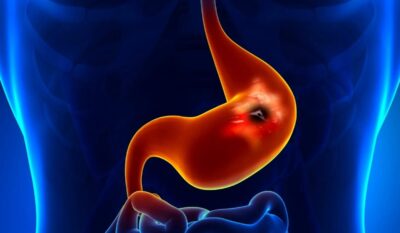
Neuro-Gastroenterology
Treat chronic IBS, unexplained bloating, and irregular bowel habits with private Neuro-Gastroenterology care at The Health Suite Leicester.

General Paediatrics
Worried about your child's health, persistent cough, or developmental milestones? Get rapid, gentle care from expert private paediatricians in Leicester.
Have a query about Paediatric Gastroenterology at The Health Suite Leicester?
We recognise that getting the healthcare assistance you need can be difficult. So if you have a query, feel free to contact us and one of our treatment co-ordinators will be happy to help. We aim to reply to all queries within 24 hours (Mon – Fri).