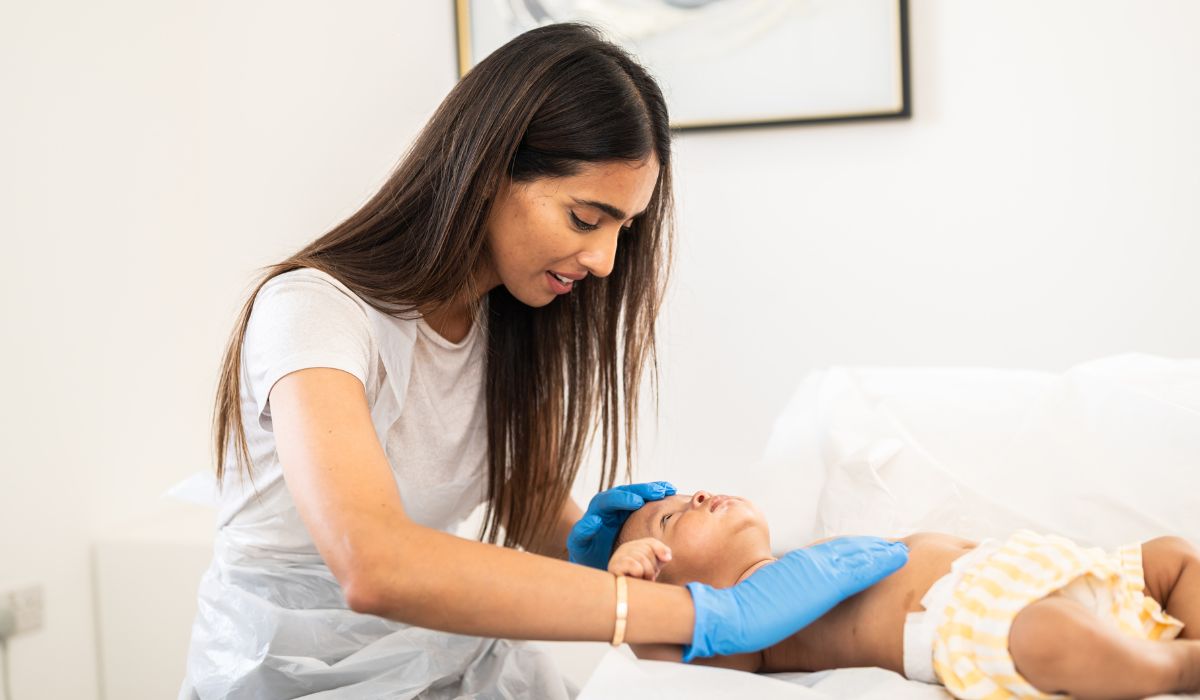
Paediatric Osteopathy in Leicester
Gentle, Effective Care for Your Child’s Health with Paediatric Osteopathy at The Health Suite Leicester.
Paediatric Osteopathy provides a gentle, whole-body approach to help with issues that can occur during or soon after a baby’s birth. At The Health Suite, a private GP service in Leicester, our experienced Paediatric Osteopath uses very gentle methods to correct these issues. Although most babies recover well from birth trauma or medical procedures, some may have difficulty adapting to life outside the womb and need extra help. Paediatric or cranial osteopathy is important in this situation because even minor misalignments in a child’s body can cause long-term problems if not fixed quickly.
Paediatric osteopathy is centred on the special needs of babies and kids, using soft, non-painful methods to help them stay healthy and happy. Doctors check and fix many problems, like crying a lot, trouble sleeping, bad posture, and slow development. By working on the muscles and bones, osteopathy helps the body heal itself better, making sure little ones grow up strong in a caring place. This whole-body approach not only stops pain but also sets a good path for health throughout life. Osteopathy can make kids feel better overall and grow more balanced. It also helps the doctor and child build a good relationship, making a safe space that helps them heal and stay strong.
Paediatric osteopathy at The Health Suite Leicester offers specialised treatment aimed at improving the health and well-being of children from infancy to adolescence. Using gentle, hands-on techniques, osteopaths address musculoskeletal issues such as spinal alignment, joint mobility, and muscle tension. This therapy can help alleviate common childhood conditions like colic, digestive issues, ear infections, and growing pains, as well as improve posture and support healthy physical development. The Health Suite’s experienced osteopaths create a comfortable and safe environment for young patients, providing tailored treatments that promote overall physical health and support optimal growth and development.
On your initial visit, the Osteopath will collect detailed information about your child’s health. Then, they will ask you to undress your baby or child so they can perform a thorough check-up, similar to what a paediatrician would do. Once they identify the issue and make a diagnosis, the Osteopath will discuss with you the best treatment options.
You will have many opportunities to ask any questions you might have. It’s important for you, as a parent or guardian, to understand the treatment and its advantages for your child.
Book a Paediatric Osteopathy session for your child at The Health Suite Leicester to improve their overall health and wellbeing.
Watch to learn more about this treatment
Watch expert videos on your treatment to understand the benefits, process, and what to expect before your consultation.
Paediatric Osteopathy Explained | Gentle, Effective Care for Babies & Children | The Health Suite
What we treat
At The Health Suite Leicester, our private medical clinic offers expert care whenever you need it. Our team of experienced GPs and healthcare professionals provide personalised diagnosis and treatment for a wide range of medical conditions, ensuring high-quality, professional care in a comfortable setting.
Click below to view useful info on a few of the common conditions we treat:
Musculoskeletal Discomfort
Ease childhood aches and strains. We provide exceptionally gentle physical assessment and treatment of muscle tension and minor sports injuries to keep children of all ages active and comfortable.
Postural Concerns
Support healthy growth and alignment. We target posture-related tension and spinal discomfort caused by heavy school backpacks, prolonged sitting, screen time, or repetitive sports patterns.
Tension and Headaches
Relieve physical strain. We use highly soothing, gentle manual techniques to reduce deep muscle tightness in the neck, shoulders, and jaw that can often contribute to childhood headaches.
Movement & Mobility Issues
Restore natural, playful movement. We focus on improving joint flexibility and muscle coordination to support easy play, physical activities, and comfortable daily movements.
Infant-Specific Concerns
Soothe early developmental strain. We offer gentle cranial and structural care to ease feeding tension, unsettled wind, and physical tightness linked to difficult births or early growth.
many more
Our clinicians manage a broad spectrum of conditions, and individual assessment allows us to tailor care beyond the examples listed. We encourage you to book a consultation to discuss your symptoms and appropriate treatment options.
Symptom checker
If you are experiencing any of these symptoms, please book an appointment with us. Symptoms can vary from person to person and from condition to condition. A proper diagnosis can only be made through a thorough medical examination.
Our clinicians will carry out a full assessment to ensure an accurate diagnosis and appropriate care.
Does your child have persistent or recurring aches or pains?
Osteopathy can assess musculoskeletal discomfort in children, from growing pains to postural stress, helping identify areas needing gentle care.
Is your baby unsettled, irritable, or having feeding difficulties?
Tension from birth or early movement patterns can affect comfort, feeding, or sleep — paediatric osteopathy uses gentle techniques to support ease and relaxation.
Does your child complain of back, neck, or shoulder discomfort?
Pain or tension in these areas may come from posture, activity, or developmental changes. Osteopathic assessment helps identify and address underlying muscle or joint strain.
Is your child experiencing reduced range of movement or stiffness?
Limited mobility or stiffness in joints or muscles can affect play and activity. Osteopathy supports improved movement and comfort with gentle manual techniques.
Does your child have frequent headaches or tension?
Headaches or neck tension may relate to muscle imbalances or postural issues. Paediatric osteopathy can assess and support reduced tension and improved alignment.
Are recurring injuries slowing your child’s activity or sports participation?
Persistent sprains, strains, or activity‑related discomfort may benefit from osteopathic evaluation to support healing and prevent ongoing strain.
Why choose The Health Suite for Paediatric Osteopathy?
Choose The Health Suite Leicester for expert, personalised healthcare, fast access to specialists, advanced diagnostics and exceptional patient care.
Expertise in Paediatric Osteopathy
Our team consists of highly trained and experienced paediatric osteopaths who understand the specific needs and challenges of treating infants, children, and adolescents, ensuring safe and effective care for your child.
Child-Friendly Environment
We’ve created a welcoming and child-friendly atmosphere in our clinic to help put your young ones at ease, making their treatment experience more comfortable and less intimidating.
Holistic Care
We take a comprehensive approach to your child’s well-being, collaborating with other healthcare professionals and involving parents in the treatment process, focusing on holistic care to promote your child’s optimal development and health.
Common Q&A about Paediatric Osteopathy
Our FAQ section is designed to address common questions you may have, from how our treatments work to what you can expect during and after your session.
Our team is always available to provide additional support if you need more personalised guidance, ensuring that you feel informed and confident every step of the way.
Advice from the experts
Read clear, expert advice from our clinicians, offering trusted advice, clinical insight, and practical guidance to help you understand your treatment and care options.

Meet our Paediatric Osteopathy Clinicians
Meet our dedicated team at The Health Suite Leicester, where skilled professionals are committed to providing exceptional care tailored to your medical and wellness needs.

Fatema Contractor
Director and Consultant Osteopath
Treatment options and pricing
Browse and click below to book any of our available services.
Paediatric Osteopathy Initial Appointment
A Paediatric Osteopathy Initial Consultation assesses a child’s health, posture, and mobility to create a tailored treatment plan for pain relief and improved movement.
Paediatric Osteopathy Follow-up Appointment
A Paediatric Osteopathy Follow-up Consultation reviews a child’s progress, adjusts treatments, and continues to improve movement, posture, and overall health.
You may also be interested in the following
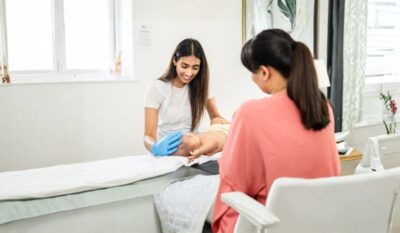
Paediatric Osteopathy Home Visits
Relieve travel stress. Access specialist at-home infant osteopathy and joint mother-and-baby postnatal checks under expert clinical guidance in Leicester.
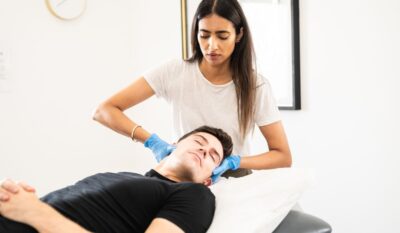
General Osteopathy
Expert private osteopathy in Leicester. Restore movement, ease back or neck pain, and correct posture imbalances with tailored hands-on care.
Paediatric Development Clinic
Worried about your child's walking, talking, or social development milestones? Get rapid, gentle care from expert private paediatricians in Leicester.
Have a query about Paediatric Osteopathy at The Health Suite Leicester?
We recognise that getting the healthcare assistance you need can be difficult. So if you have a query, feel free to contact us and one of our treatment co-ordinators will be happy to help. We aim to reply to all queries within 24 hours (Mon – Fri).