TMJ Treatments Available at The Health Suite
Osteopathy for TMJ
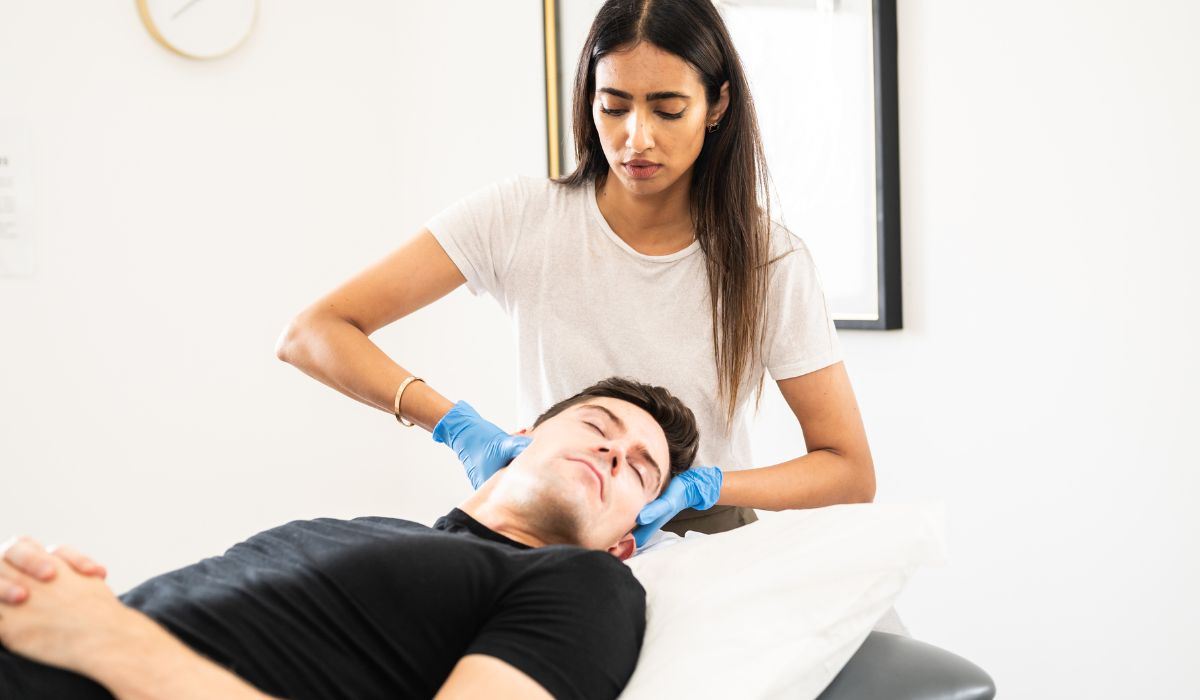
Osteopathy focuses on the structural and mechanical causes of TMJ dysfunction. The jaw is closely connected to the neck and spine, and dysfunction in these areas often drives jaw pain.
Best for:
- Jaw misalignment
- Neck-related headaches
- Postural TMJ strain
- Mechanical clicking or locking
Treatment may include:
- Jaw joint mobilisation
- Neck and upper back treatment
- Muscle release
- Postural correction
- Movement and habit advice
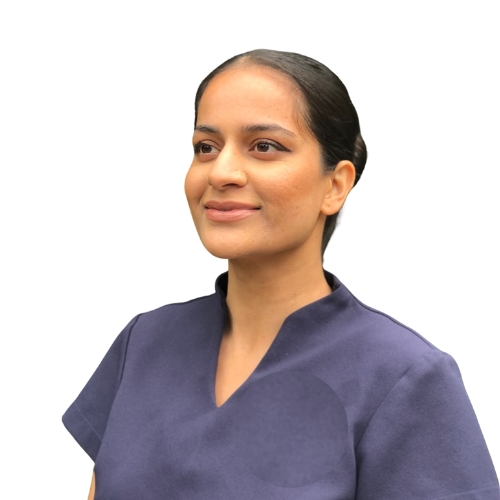
Practitioner: Fatema Contractor – Consultant Osteopath
Craniosacral Therapy for TMJ
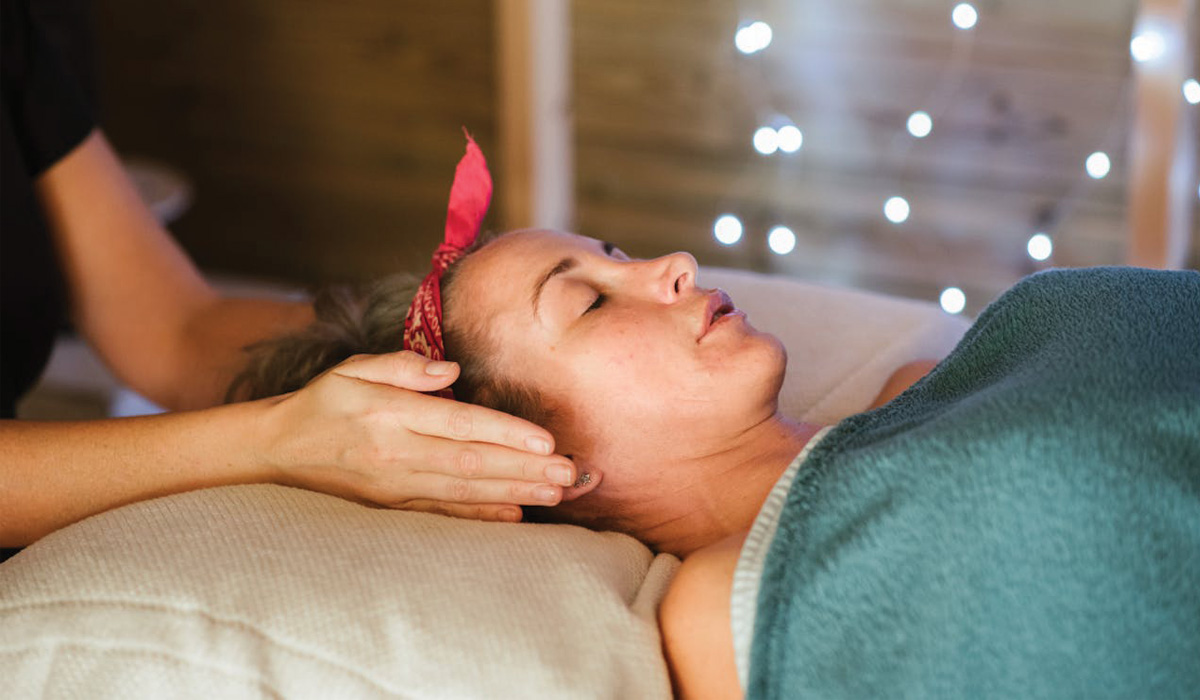
Craniosacral therapy supports the nervous system and connective tissues around the skull and jaw. It is particularly effective where stress and tension drive symptoms.
Best for:
- Teeth clenching and grinding
- Stress-related jaw tension
- Headaches and migraines
- Facial sensitivity
- Nervous system overload
Treatment focuses on:
- Releasing jaw and cranial tension
- Nervous system regulation
- Improving cranial mobility
- Reducing pain patterns
Practitioner: Edina Palko
Buccal Facial Massage for TMJ
Buccal massage works directly on the muscles inside and outside the jaw to release deep-set tension contributing to TMJ dysfunction.
Best for:
- Chronic jaw tightness
- Facial pain and tension
- Clenching patterns
- Restricted jaw movement
- Tension headaches
Benefits:
- Deep muscle release
- Improved jaw mobility
- Reduced facial pressure
- Lymphatic drainage support
- Facial relaxation and sculpting
Practitioner: Harshida
Treatment options and pricing
Browse and click below to book any of our available service.
Buccal Facial Massage Session for TMJ
Included in the Buccal Facial Massage Session for TMJ
Buccal Facial Massage for TMJ helps release deep jaw and facial muscle tension, reduce pain, improve mobility, and support relaxation. Delivered by an expert therapist, this targeted session addresses clenching, stiffness, and TMJ discomfort for lasting relief.
Craniosacral Therapy Session for TMJ
Included in the Craniosacral Therapy Session for TMJ
Craniosacral Therapy for TMJ targets jaw and cranial tension, supporting nervous system regulation and stress relief. This gentle, non-invasive session helps reduce pain, ease headaches, improve jaw mobility, and promote overall relaxation.
Osteopathy Initial Appointment for TMJ
Included in the Osteopathy Initial Appointment for TMJ
The initial osteopathy appointment for TMJ evaluates jaw mechanics, neck posture, and spinal alignment. Gentle manual therapy and mobilisation help reduce pain, restore proper function, improve jaw movement, and address underlying postural or structural causes of TMJ dysfunction.
Osteopathy Follow-up Consultation for TMJ
Included in the Osteopathy Follow-up Consultation for TMJ
The TMJ osteopathy follow-up appointment reviews your progress, adjusts treatment, and continues gentle mobilisation of the jaw, neck, and spine. It helps relieve tension, improve alignment, restore function, and ensure ongoing recovery and symptom reduction.
Common Q&A about TMJ Treatment
Our FAQ section is designed to address common questions you may have, from how our treatments work to what you can expect during and after your session.
Our team is always available to provide additional support if you need more personalised guidance, ensuring that you feel informed and confident every step of the way.
TMJ dysfunction affects the temporomandibular joint, causing jaw pain, clicking, stiffness, headaches, ear pressure, and facial tension.
Common causes include stress, teeth grinding (bruxism), poor posture, jaw misalignment, injury, dental changes, and nervous system tension.
Occasional painless clicking can be common. If clicking is painful, worsening, or linked to locking or headaches, assessment is recommended.
Yes. Jaw tension and misalignment can refer pain into the temples, forehead, and neck, triggering tension headaches or migraines.
We offer osteopathy, craniosacral therapy, and buccal facial massage. Treatment is chosen based on whether symptoms are structural, muscular, or stress-related.
Treatment should not be painful. Techniques may feel firm, especially in tight areas, but are always adjusted to your comfort level.
Some patients improve within a few sessions. Chronic or long-standing TMJ may require a structured treatment plan over several weeks.
Yes. Craniosacral therapy and buccal massage can reduce jaw tension and nervous system overload linked to clenching and grinding.
Yes. We treat both adults and teenagers experiencing jaw pain, clicking, or tension-related symptoms.
If you experience persistent jaw pain, locking, worsening headaches, or facial tension, early treatment can prevent symptoms from becoming chronic.
Advice from the experts
Read clear, expert advice from our clinicians, offering trusted advice, clinical insight, and practical guidance to help you understand your treatment and care options.

Symptom checker
If you are experiencing any of these symptoms, please book an appointment with us. Symptoms can vary from person to person and from condition to condition.A proper diagnosis can only be made through a thorough medical examination.
Our clinicians will carry out a full assessment to ensure an accurate diagnosis and appropriate care.
Do you have persistent jaw pain or soreness around your ear and jaw joint?
Ongoing discomfort at the jaw or in front of your ear can signal temporomandibular joint dysfunction (TMJ), where muscle tension or joint irritation affects everyday jaw movement — physiotherapy and assessment help identify contributing factors and ease pain.
Does your jaw click, pop, lock or feel like it sticks when you open or close your mouth?
Clicking or popping sounds and a sensation of the jaw locking can come from joint mechanics or disc issues within the TMJ. Expert evaluation and guided therapy aim to improve movement patterns and reduce functional difficulty.
Is it painful or difficult to chew, yawn, or open your mouth wide?
TMJ can make everyday actions like chewing or yawning uncomfortable or restricted. Targeted treatment — such as manual therapy, stretching and exercises — helps restore smoother jaw motion and reduce movement‑linked discomfort.
Do you have frequent headaches, neck pain, or facial muscle tension?
TMJ symptoms often overlap with tension headaches and neck or facial muscle tightness. Therapy focuses on reducing muscle overactivity, improving posture and relaxing the muscles that support the jaw.
Do you grind your teeth (bruxism) or clench your jaw, especially at night?
Clenching or grinding places extra strain on jaw muscles and the TMJ. Treatment plans include habit awareness, muscle relaxation strategies, and activity modification to protect joints and reduce overuse.
Is jaw stiffness or pain affecting your sleep, talking or daily activities?
When symptoms interfere with sleep, speech or regular tasks, it’s important to assess both joint and muscle function holistically. Clinicians can guide safe therapeutic exercises and personalised care to support jaw comfort.
What we treat
At The Health Suite Leicester, our private medical clinic offers expert care whenever you need it. Our team of experienced GPs and healthcare professionals provide personalised diagnosis and treatment for a wide range of medical conditions, ensuring high-quality, professional care in a comfortable setting.
Click below to view useful info on a few of the common conditions we treat:
Temporomandibular Joint Dysfunction (TMJ / TMD)
We assess and manage pain, stiffness and functional problems in the jaw joint, including discomfort during chewing, opening/closing, or joint noises, using bespoke manual therapy and movement strategies.
Jaw Muscle Tightness & Tension
Excess muscle tension — often linked to clenching or stress — contributes to TMJ pain. Manual therapy, massage and targeted stretches help reduce muscle tightness and improve jaw mobility.
Restricted Jaw Opening & Movement Dysfunction
Limited ability to open wide or symptoms of locking can come from joint or muscle imbalance. Tailored exercises and mobilisation help restore smooth, more comfortable jaw mechanics.
Headaches & Neck Strain Related to TMJ
TMJ discomfort often coexists with tension‑type headaches or neck tightness. Treatment includes muscle release, ergonomic and posture advice that targets integrated head, neck, and jaw function.
Habit‑Related Strain (Clenching, Grinding, Bruxism)
TMJ is frequently worsened by jaw clenching or nocturnal grinding. A comprehensive plan combines muscle work, behavioural guidance and jaw relaxation techniques to reduce strain.
many more
Our clinicians manage a broad spectrum of conditions, and individual assessment allows us to tailor care beyond the examples listed. We encourage you to book a consultation to discuss your symptoms and appropriate treatment options.