
Child Gut Health: Symptoms, Testing, and Treatment Options
- Published:
- Last medically reviewed:
A child’s digestive system is still maturing throughout childhood and adolescence, which means that gut health in children presents differently from gut health in adults, and requires a different approach to assessment and care. Gastrointestinal problems are among the most common reasons children are brought to a specialist. Recurrent abdominal pain alone affects between 10% and 15% of school-age children at any given time, and functional gastrointestinal disorders as a whole are estimated to affect up to 25% of children and adolescents worldwide.¹
Despite this prevalence, many cases go unrecognised or are managed without the benefit of specialist input, leaving children to experience ongoing symptoms that affect their school attendance, sleep, appetite and quality of life. The range of conditions that can underlie gut health problems in children is broad. Conditions ranging from functional disorders to structural disease, food intolerance to inflammatory bowel conditions, can all present with overlapping symptoms that make accurate diagnosis genuinely challenging.²
A child with chronic abdominal pain may have irritable bowel syndrome, a food sensitivity, early inflammatory bowel disease, or a functional disorder driven by anxiety and stress, and each of these warrants a different approach. Getting that distinction right matters, both for the child’s immediate well-being and for their longer-term health trajectory. Understanding what is normal, what warrants monitoring and what requires investigation is the foundation of good paediatric gut health care.
-
What Happens With the Developing Gut
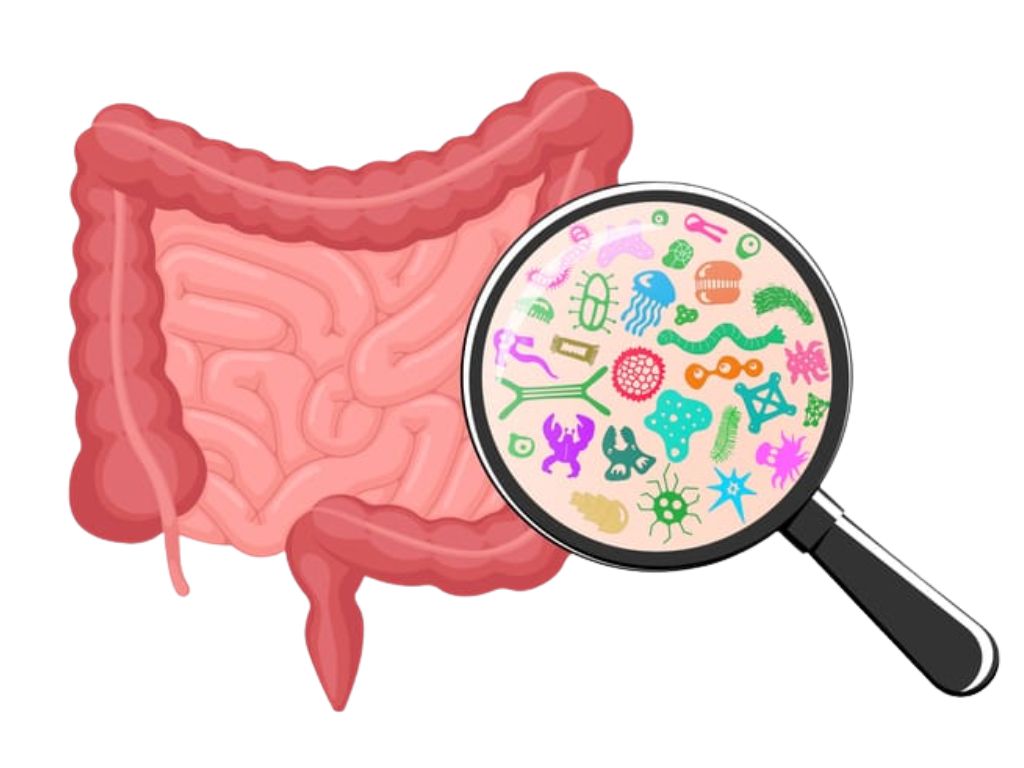
The gastrointestinal tract in children is not simply a smaller version of the adult digestive system. The gut microbiome, the ecosystem of bacteria and other microorganisms that plays a central role in digestion, immune regulation and even mood, is particularly dynamic in childhood, shaped by factors including mode of birth, infant feeding, antibiotic exposure and dietary diversity.³
Research has increasingly established links between early gut microbiome composition and long-term health outcomes, including the risk of allergic conditions, inflammatory bowel disease, obesity and metabolic disorders.⁴
This makes the early identification and treatment of gut health problems in children not merely a matter of relieving current symptoms, but a meaningful intervention in long-term health trajectories. Gut motility, the movement of food through the digestive tract, also differs in children and is influenced by developmental stage, dietary fibre intake, hydration and physical activity.
Functional constipation and functional abdominal pain are among the most prevalent paediatric gastrointestinal diagnoses, both of which are defined by symptom patterns rather than identifiable structural or biochemical abnormalities, and both of which respond well to appropriately targeted management.⁵
Gut Health Problems in Children
Gut health problems in children can manifest in ways that parents may not immediately connect to the digestive system. While abdominal pain, vomiting, diarrhoea and constipation are the most recognisable symptoms, poor gut health can also present as faltering growth, unexplained fatigue, recurrent nausea, skin reactions, behavioural changes or persistent difficulties with feeding and eating.
Knowing when symptoms represent normal variation and when they warrant specialist assessment requires careful attention to pattern, frequency, duration and associated features.
Chronic Stomach Pain
Persistent abdominal discomfort is one of the most common presentations in paediatric gastroenterology.
Recurrent abdominal pain is defined as pain that occurs at least three times over a period of at least three months and is significant enough to affect daily activities.⁵
Underlying causes include irritable bowel syndrome (IBS), gastritis, functional dyspepsia, food sensitivities and, in some cases, more serious structural or inflammatory conditions. Because the symptom overlap between these conditions is considerable, accurate diagnosis depends on a thorough clinical assessment rather than a single test.
Vomiting and Reflux
Gastro-oesophageal reflux disease (GORD) is common in infants and young children. While uncomplicated reflux in the early months of life typically resolves without intervention, persistent or severe reflux can cause significant distress, interfere with feeding and, if untreated, lead to complications including oesophageal inflammation.⁶
In older children, frequent vomiting may point to reflux disease, food allergies, delayed gastric emptying or infections, and each of these requires a different management approach.
Diarrhoea and Constipation
Irregular bowel movements are extremely common in childhood, but persistent diarrhoea or chronic constipation should not be dismissed as trivial. Functional constipation is one of the most frequently encountered paediatric gastroenterological presentations and can cause significant pain, soiling, and behavioural difficulties if not properly managed.⁷
Chronic diarrhoea, particularly when accompanied by blood in the stool, weight loss or growth faltering, may indicate inflammatory bowel disease, coeliac disease or infectious causes, all of which require prompt investigation.
Swallowing Difficulties
Dysphagia, or difficulty swallowing, in children can be a sign of reflux, eosinophilic oesophagitis, structural abnormalities or neurological conditions. It may present as gagging, food refusal, prolonged mealtimes, or recurrent episodes of food becoming stuck.⁸
Because the consequences of unmanaged swallowing difficulties include aspiration, nutritional compromise and significant feeding aversion, early specialist assessment is important.
Weight Fluctuations and Faltering Growth
Unexplained weight loss or failure to gain weight as expected can be a sign of underlying digestive or metabolic dysfunction. Malabsorption conditions, including coeliac disease and inflammatory bowel disease, can cause significant nutritional deficiencies even in the absence of prominent gastrointestinal symptoms.⁹
Conversely, rapid or unexplained weight gain in association with gastrointestinal symptoms may point to endocrine or metabolic causes. A specialist assessment can clarify whether a child’s growth trajectory reflects a gut health problem requiring intervention.
Dietary Reactions and Food Intolerances
Food allergies and intolerances are increasingly prevalent in children, contributing to a wide range of gastrointestinal symptoms including bloating, abdominal pain, diarrhoea and vomiting.¹⁰
Lactose intolerance and non-coeliac gluten sensitivity are among the most common, though the clinical picture can be complicated by the fact that similar symptoms arise from functional disorders, making careful diagnostic testing important.
Eliminating dietary triggers without proper investigation risks both unnecessary dietary restriction and missed diagnoses, which is why specialist-led testing is preferable to unsupervised elimination diets.
Inflammatory Bowel Disease
Crohn’s disease and ulcerative colitis are chronic inflammatory conditions that can present at any age, including in young children. Paediatric IBD often presents differently from adult IBD, with growth impairment and delayed puberty as prominent features alongside more typical symptoms such as abdominal pain, diarrhoea and rectal bleeding.¹¹
Because the consequences of uncontrolled inflammation extend beyond the bowel to affect bone health, growth and development, specialist management is essential.
Gut Health Testing in Children
Accurate diagnosis of gastrointestinal conditions in children depends on combining a careful clinical history and examination with appropriately selected investigations.
No single test reliably distinguishes between all the possible causes of a child’s symptoms, and the diagnostic pathway is tailored to each patient’s presentation. These tests may include:
Blood Tests
Blood tests are frequently the first line of investigation in children with gastrointestinal symptoms. They can screen for anaemia, which may indicate chronic blood loss or nutritional deficiency secondary to malabsorption, and can detect markers of systemic inflammation such as raised CRP or erythrocyte sedimentation rate, which raise the suspicion of inflammatory bowel disease or other inflammatory conditions.¹²
Specific antibody testing can also screen for coeliac disease, thyroid dysfunction and other conditions that can present with gastrointestinal symptoms.
Stool Testing
Stool testing in children is a valuable and non-invasive tool for investigating a wide range of gut health concerns. Stool analysis can detect infections caused by bacteria, viruses and parasites, identify the presence of blood that may not be visible to the naked eye, and measure faecal calprotectin – a protein released by white blood cells during intestinal inflammation that serves as a sensitive marker for conditions such as IBD.¹³
Stool testing in children is also used to assess pancreatic function through measurement of faecal elastase, which can indicate whether the pancreas is producing sufficient digestive enzymes, and to investigate malabsorption through assessment of fat content in the stool.¹⁴
Because stool testing in children does not require venepuncture or any invasive procedure, it is particularly well suited to paediatric investigation and can provide a significant amount of clinically useful information from a single sample.
Breath Tests
Breath tests are used to diagnose lactose intolerance and small intestinal bacterial overgrowth (SIBO), both of which can cause bloating, abdominal pain and diarrhoea.
The hydrogen breath test measures the production of hydrogen gas by intestinal bacteria following ingestion of a specific substrate, providing a reliable, non-invasive indicator of fermentation patterns in the gut.¹⁵
These tests are straightforward to perform and are well tolerated by children.
Ultrasound Imaging
Ultrasound imaging provides a non-invasive means of examining the abdominal organs, including the liver, gallbladder, spleen, kidneys and bowel. It can identify structural abnormalities, detect thickening or inflammation of the bowel wall, assess organ size and morphology, and visualise free fluid in the abdomen.¹⁶
As it involves no radiation and is generally well tolerated by children, ultrasound is often the first-line imaging investigation for abdominal symptoms in the paediatric age group.
Specialised Intolerance Testing
Identifying specific food sensitivities requires a structured diagnostic approach. Specialised intolerance testing enables accurate identification of triggers for dietary reactions, including lactose intolerance and gluten sensitivity, and informs dietary recommendations that eliminate identified triggers while ensuring nutritional adequacy.¹⁰
Testing carried out in conjunction with clinical assessment and dietary review, rather than in isolation, ensures that any dietary modifications are both appropriate and sustainable for the child and their family.
Treatment Options for Childhood Gut Health Conditions
Treatment for gut health problems in children is always tailored to the underlying diagnosis and the individual child’s circumstances. A management plan that works well for one child may be inappropriate for another with a similar symptom profile, which is why specialist assessment is the starting point for effective treatment.
Across all conditions, a comprehensive approach combines medical expertise with dietary guidance, lifestyle support and, where relevant, collaboration with other specialists, including dietitians, speech and language therapists and psychologists.
The aim is always to address not only the immediate symptoms but the broader context of the child’s health and daily life.
Dietary and Nutritional Management
Dietary modification is a cornerstone of treatment for many childhood gut health conditions. For food allergies and intolerances, elimination of the relevant trigger, guided by specialist testing and supported by dietary advice to prevent nutritional gaps, is the primary approach.¹⁰
For conditions such as IBS and functional abdominal pain, dietary strategies including adjustments to fibre intake, fluid consumption and the management of specific fermentable carbohydrates can significantly reduce symptom burden.
For children with IBD or malabsorption conditions, nutritional support may include therapeutic formulas or supplementation to address deficiencies and support growth.
Medical Treatment For Gastrointestinal Problems
For conditions with a clear structural or inflammatory basis, medical treatment forms the primary component of the management plan.
Children with IBD may require anti-inflammatory medications, immunomodulatory agents or biological therapies depending on disease severity and pattern.¹¹
Reflux disease is managed with acid suppression and, where relevant, motility agents. Infections identified through stool testing are treated with appropriate antimicrobial therapy.
In all cases, treatment is initiated and monitored within a framework of regular clinical review to assess response and adjust the plan as needed.
Lifestyle and Behavioural Support
Physical activity, sleep, stress and psychosocial factors all influence gut function in children. The gut-brain axis, the bidirectional communication pathway between the central nervous system and the enteric nervous system of the gastrointestinal tract, means that anxiety and stress can directly exacerbate functional gut disorders such as IBS and functional abdominal pain.¹⁷
Where these factors are contributing to a child’s symptoms, guidance on lifestyle and, where appropriate, referral to psychological support forms part of the overall management plan.
Paediatric Gastroenterology Support at The Health Suite Leicester
If you are concerned about your child’s digestive health, whether because of recurrent abdominal pain, changes in bowel habits, suspected food intolerances, difficulties with feeding, or growth and nutritional concerns, a specialist assessment is the most reliable route to understanding what is happening and what to do about it.
At The Health Suite Leicester, our paediatric gastroenterology service provides comprehensive assessment and personalised care for children and adolescents with a wide range of gastrointestinal concerns.
Our experienced paediatric gastroenterologists take a detailed clinical history, carry out appropriate investigations including blood tests, stool testing in children, breath tests and ultrasound imaging, and develop a management plan that is tailored to your child’s specific needs and circumstances.
Whether managing a chronic condition, identifying a dietary trigger, or investigating symptoms that have so far gone unexplained, our team provides the clinical clarity and specialist expertise your child’s gut health deserves. Our approach is compassionate, evidence-based and focused entirely on your child’s long-term wellbeing.
Discover how our paediatric gastroenterology service at The Health Suite Leicester could help support your child today

Paediatric Nutrition Services (Online Only)
Paediatric Nutrition Services at The Health Suite Leicester. Expert Nutrition for Your Child’s Growth and Health
Functional Medicine Tests
Private Functional Medicine Testing in Leicester. Deep-dive laboratory screening for microbiome dysbiosis, adrenal stress, and cellular energy gaps.

Bowel Health Stool Tests
Take control of your gut with private Bowel Health Stool Tests at The Health Suite Leicester. Screen for IBD, infections, and microbiome imbalances.

Paediatric Osteopathy
Is your baby struggling with reflux, flat head syndrome, or birth tension? Get gentle, expert care from our registered paediatric osteopaths in Leicester.

Paediatric Ultrasound Scan Services
Private paediatric ultrasound scans in Leicester. Safe, radiation-free imaging for infants and children.

Paediatric Allergy Service
Specialist paediatric allergy service in Leicester providing testing, diagnosis and personalised care plans for children with allergic conditions.