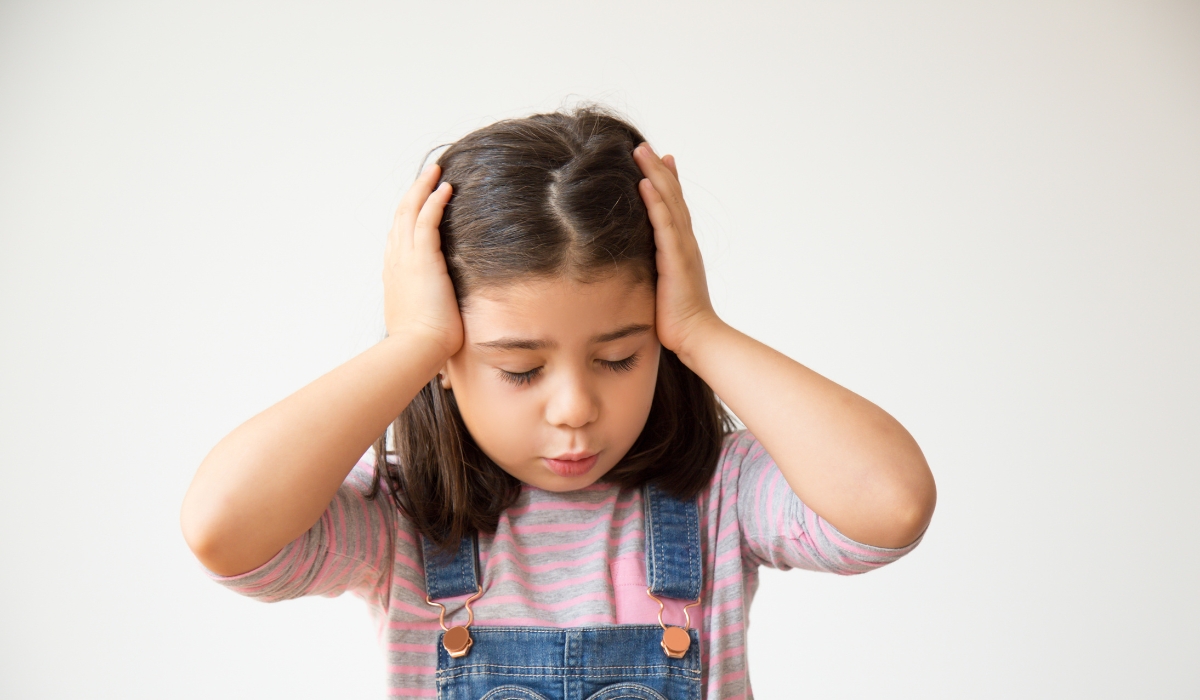
Migraine vs Tension Headaches in Children: Key Differences
- Published:
- Last medically reviewed:
Headaches are one of the most common neurological complaints in childhood, yet they are frequently underestimated, misattributed or managed without the benefit of an accurate diagnosis. Parents often assume that headaches in children are straightforward, something to be managed with rest and paracetamol and not worth investigating further. In many cases, that is true.
But in a significant proportion of children, recurrent headaches represent a recognised neurological condition with a specific pattern, specific triggers and a specific treatment approach, and getting that distinction right makes a considerable difference to the child’s quality of life. Population studies estimate that up to 58% of school-age children experience recurrent headaches, with migraine affecting approximately 7.7% of children aged five to fifteen and tension-type headache affecting a considerably larger proportion.¹
Despite this prevalence, paediatric headache disorders are frequently underdiagnosed, with studies suggesting that fewer than half of children with migraine have ever received a formal diagnosis.² The consequence is years of unnecessary suffering, missed school days, restricted activity and, in some cases, the development of medication overuse headache from repeated unsupervised use of over-the-counter analgesics.³
Understanding the difference between migraine and tension headache in children, and knowing when either warrants professional assessment, is therefore practically important for parents and clinicians alike.
How Childhood Headaches Differ From Adult Headaches
Before examining the distinction between migraine and tension headache, it is worth noting that childhood headaches differ from adult headaches in several ways that affect how they present and how they are recognised. In adults, migraine is classically described as a unilateral, throbbing headache of moderate to severe intensity, lasting between four and seventy-two hours, accompanied by nausea and sensitivity to light and sound.
In children, the same underlying condition often presents quite differently. The headache is more frequently bilateral, typically felt across the forehead or on both sides of the head rather than on one side only.⁴ Episodes tend to be shorter, sometimes lasting as little as one to two hours in younger children, which means they can resolve before parents have fully registered what is happening.⁵
Nausea and vomiting are often more prominent relative to headache intensity than in adults, and in younger children, the abdominal symptoms can sometimes overshadow the headache entirely.⁴ This variability in presentation is one of the primary reasons childhood migraine goes unrecognised. Children may not have the vocabulary to describe their symptoms precisely, and a presentation dominated by vomiting and pallor, with headache mentioned only incidentally, can easily be attributed to a stomach bug or general unwellness rather than migraine.
Migraine in Children And What to Look For
Migraine is a neurological disorder characterised by recurrent episodes of headache that arise from a complex interplay of genetic susceptibility, neuronal excitability and trigeminovascular activation.⁶ It is not simply a bad headache. It is a distinct biological event with a recognisable pattern that, once identified, can be managed with significantly better outcomes than those achieved through non-specific pain relief alone.
The diagnostic criteria for paediatric migraine, as defined by the International Classification of Headache Disorders, require at least five attacks meeting specific criteria, including:
- Headache lasting one to seventy-two hours
- Pain that is bilateral or unilateral
- Pulsating in quality
- Of moderate to severe intensity
- Associated with at least one of nausea or vomiting, or photophobia and phonophobia.5
In practice, the clinical picture is often more nuanced than a checklist allows, and experienced clinical judgement plays an important role in diagnosis, particularly in younger children whose symptom reporting is less precise. Several features in the history are particularly suggestive of migraine rather than other headache types. A strong family history of migraine is one of the most reliable indicators, given that migraine has a heritability estimated at between 40% and 65%.7
The episodic nature of attacks, with clear headache-free intervals between episodes, is characteristic. Many children describe a prodromal phase in the hours before headache onset, characterised by mood changes, yawning, food cravings or difficulty concentrating, which can serve as a useful early warning.8
The presence of identifiable triggers, including disrupted sleep, missed meals, dehydration, hormonal changes, stress and specific foods, is consistent with migraine and can be clinically useful both diagnostically and in guiding prevention strategies.9
-
Migraine with Aura
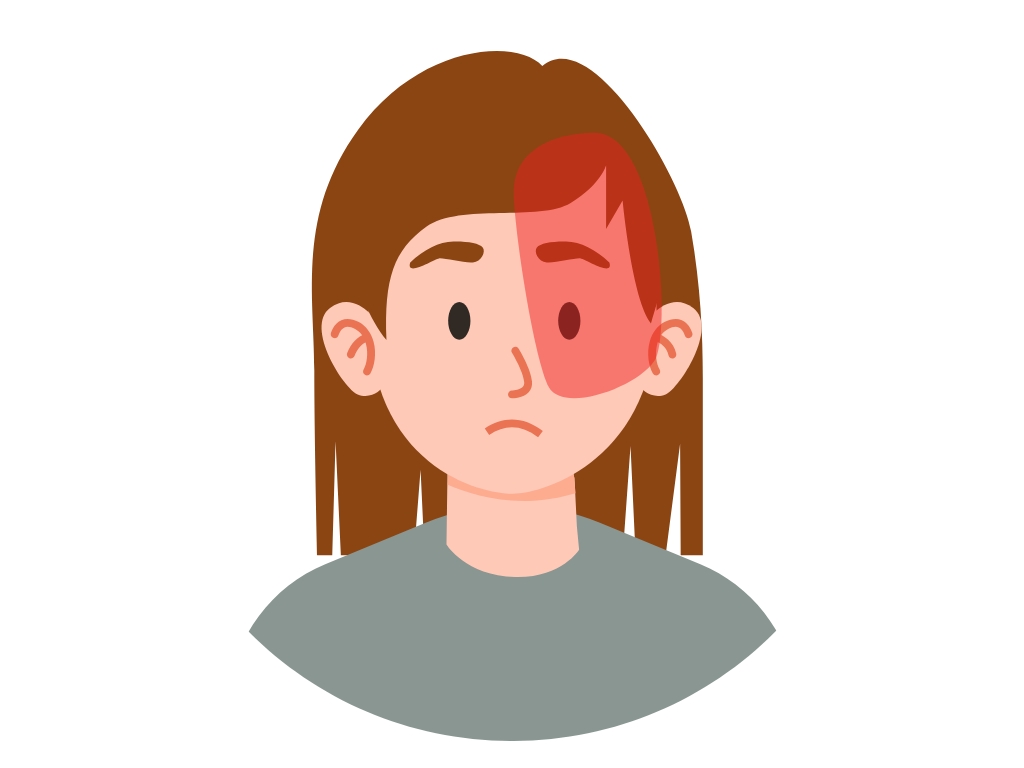
Approximately 20% to 30% of children with migraine experience aura, a set of transient neurological symptoms that typically precede or accompany the headache phase.10 Visual aura is the most common type, typically consisting of shimmering, flickering or zig-zag lines, blind spots, or areas of visual distortion that develop gradually and resolve within sixty minutes.5
Sensory aura, characterised by tingling or numbness spreading from one area of the body to another, is less common. Motor aura, in which weakness affects one side of the body, is rare and, when present, requires careful evaluation to exclude alternative causes.11 Aura symptoms can be alarming for both children and parents, and when they occur for the first time, are frequently misinterpreted as signs of a more serious neurological event.
Understanding that aura is a recognised and relatively common feature of migraine, rather than a sign of stroke or seizure, is important, though any new neurological symptom in a child should be assessed clinically rather than assumed to represent migraine without proper evaluation.
-
Abdominal Migraine
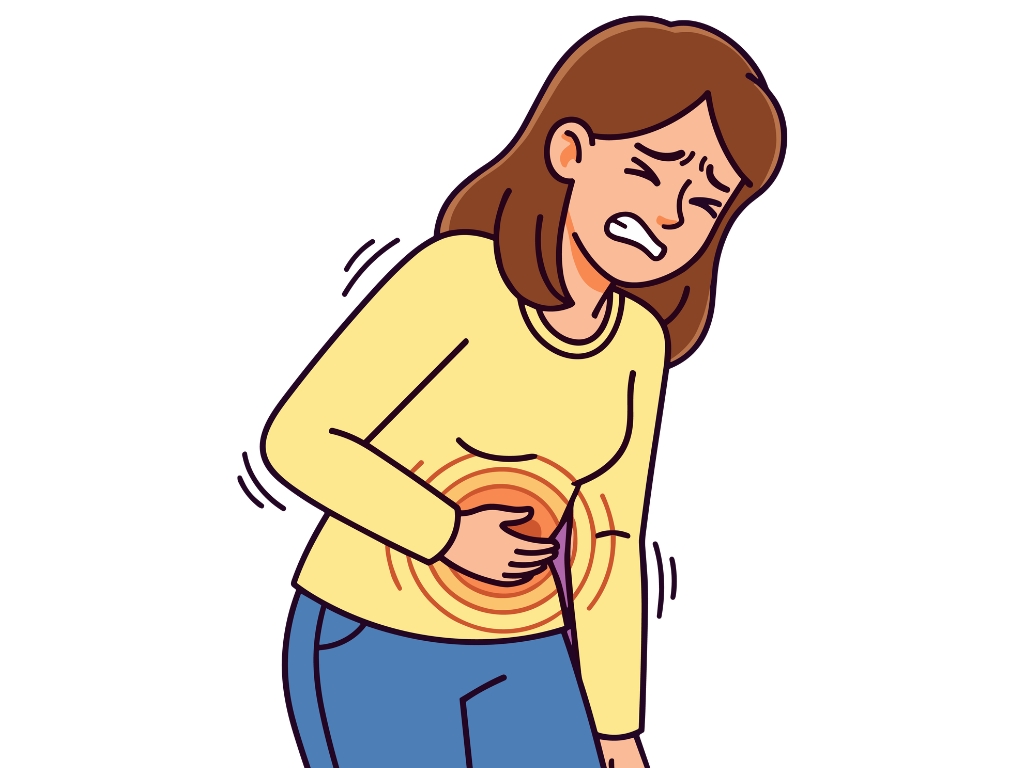
Abdominal migraine is a condition almost exclusive to childhood and represents one of the recognised migraine spectrum disorders. It is characterised by recurrent episodes of moderate to severe midline abdominal pain lasting between one and seventy-two hours, accompanied by nausea, vomiting and pallor, with complete resolution between episodes.12
Headache may or may not be present during attacks. The diagnosis is frequently missed or delayed because the presentation resembles a gastrointestinal condition rather than a neurological one, and children may undergo extensive gastrointestinal investigation before the correct diagnosis is reached.13
A significant proportion of children with abdominal migraine go on to develop typical migraine headache in adolescence or adulthood.13
Tension-Type Headaches in Children And What to Look For
Tension-type headache is the most common primary headache disorder in the general population and is equally prevalent in children, though it receives considerably less clinical attention than migraine.¹ Unlike migraine, tension-type headache does not arise from trigeminovascular activation and is not accompanied by the same constellation of associated symptoms.14
The typical presentation is a bilateral headache of mild to moderate intensity, often described as a pressing or tightening sensation, like a band around the head, rather than the pulsating quality characteristic of migraine.5 It is not made significantly worse by routine physical activity, and nausea and vomiting are absent or minimal. Photophobia or phonophobia may be present but not both simultaneously, which distinguishes it from migraine.⁷ In children, episodes often occur in the afternoon following school, and there is frequently a clear association with stress, fatigue, prolonged screen use, poor posture or disrupted sleep. 15
Episodic tension-type headache, defined as fewer than fifteen headache days per month, is by far the most common pattern in children and typically responds well to simple analgesics, adequate sleep, hydration and attention to lifestyle triggers.5 Chronic tension-type headache, defined as fifteen or more headache days per month for at least three months, is considerably more disruptive and warrants specialist assessment, both to confirm the diagnosis and to explore the psychological and lifestyle factors that are commonly driving chronification.16
A Comparison Of Child Migraine vs Headache
The distinction between migraine and tension-type headache in children is not always straightforward, because the two conditions can co-exist, partly because children move between them as they get older, and partly because the symptom profiles overlap more in children than in adults.17 The most clinically useful distinguishing features are the associated symptoms rather than the pain characteristics alone.
Nausea, vomiting, significant photophobia and phonophobia, a need to lie down in a darkened room, pallor and the presence of a prodrome or aura all strongly favour migraine.17 A family history of migraine adds further weight.17 Tension-type headache, by contrast, tends to present without significant nausea or vomiting, does not typically force the child to stop activity entirely, and lacks the clearly episodic pattern with headache-free intervals that characterise migraine.17
Intensity and impact are also informative. Migraines in children are frequently severe enough to interrupt normal activity significantly, whereas tension-type headache, while uncomfortable, more often allows the child to continue functioning at a reduced level.17 The frequency and pattern over time, plotted using a headache diary, is one of the most useful clinical tools available and is strongly recommended before any specialist assessment, as it allows patterns, triggers and the relationship between symptoms and daily life to be clearly visualised.17
When to Seek a Specialist Assessment
Most episodic headaches in children do not require specialist input. However, there are circumstances in which a specialist assessment is clearly warranted, and recognising them is important.
A prompt clinical review should follow:
- Headaches that are increasing in frequency or severity over time
- Headaches that wake a child from sleep
- Headaches accompanied by vomiting that are worse in the morning
- Headaches associated with neurological symptoms such as visual disturbance, weakness, coordination difficulties or a change in personality
- Headaches occurring in children under five.20
A first episode of severe, sudden-onset headache described as the worst headache the child has ever experienced requires urgent assessment to exclude serious intracranial pathology. 20 Specialist assessment provides access to targeted prophylactic treatment, detailed trigger identification and a management plan tailored to the individual child’s pattern and circumstances.21 This is suitable for children with confirmed or suspected migraine that is not responding to first-line management, recurring frequently enough to affect school attendance and daily life, or presenting with aura.
For children with chronic daily headache, specialist input is important both to confirm the diagnosis and to address the psychological, behavioural and lifestyle factors that are almost invariably contributing to the pattern.18
Paediatric Neurology Support at The Health Suite Leicester
If your child is experiencing recurrent headaches, migraines, or symptoms that have so far been difficult to explain, specialist assessment provides the clarity and practical support that a standard GP appointment may not be able to offer. At The Health Suite Leicester, our paediatric neurology clinic provides expert assessment and care for children and young people with headaches and migraines, as well as a wide range of other neurological concerns, including seizures, developmental delays, movement difficulties and blackouts.
Our paediatric neurologist takes a detailed history, examines your child in a careful and child-friendly way, and reviews any previous results or letters. Where investigations are needed, whether an EEG, brain scan, blood tests or other assessments, we arrange these directly as part of your child’s care and explain results clearly, with written guidance for families, schools and your GP.
You will leave every appointment with a clear explanation, a written plan and practical next steps.
Find the Cause of Your Child’s Headaches and Start the Right Treatment Plan
Get Expert Answers for Your Child’s Headaches – Book a Consultation Today
Paediatric Neurology
Private Paediatric Neurology in Leicester. Specialist Consultant-led diagnostics and gentle care for epilepsy, headaches, and developmental delays.