Seizures in Children: How to Recognise Early Signs
- Published:
- Last medically reviewed:
Witnessing a seizure in a child is one of the most frightening experiences a parent can face. The loss of control, the involuntary movements, the unresponsiveness, all of it can feel catastrophic in the moment, even when the episode is brief, and the child recovers quickly.
Yet seizures are more common in childhood than most parents realise, and understanding what they are, what they look like, and what to do when they occur can make a significant difference both to how families respond in the moment and to how quickly children receive the assessment they need. Epilepsy, the condition characterised by recurrent unprovoked seizures, affects approximately 1 in 100 children in the UK, making it one of the most common serious neurological conditions of childhood.¹
But seizures occur in children without epilepsy, too. Febrile seizures, triggered by a rapid rise in body temperature, affect between 2% and 5% of children under the age of five and represent the most common cause of seizures in this age group.² Single unprovoked seizures, seizures associated with metabolic disturbance, and a range of paroxysmal events that can mimic seizures but have entirely different causes, all add to the breadth of presentations that parents and clinicians may encounter.
Recognising seizures in children, distinguishing them from other events that can look similar, and understanding when urgent assessment is needed, are therefore practically important for every parent, regardless of whether their child has a known neurological condition.
-
What Is a Seizure
A seizure is a sudden, abnormal burst of electrical activity in the brain that temporarily disrupts normal neurological function. Depending on where in the brain the abnormal activity originates and how widely it spreads, seizures can produce an enormous range of symptoms, from dramatic generalised convulsions involving the whole body to subtle, easily missed episodes of brief unresponsiveness or unusual repetitive behaviour.³
The brain is divided into regions with distinct functions, and the clinical presentation of a seizure reflects the function of the area in which it originates. A seizure arising in the motor cortex may produce rhythmic jerking of a limb. One arising in the visual cortex may produce visual hallucinations or disturbances. A seizure originating in the temporal lobe may produce an unusual smell, a rising sensation in the stomach, or a feeling of unreality.
This diversity of presentation is one of the reasons seizures in children are frequently unrecognised or misattributed, particularly when they do not conform to the generalised tonic-clonic pattern that most people associate with the word.⁴ The International League Against Epilepsy classifies seizures first by their point of onset, as focal, generalised or unknown, and then by the predominant motor or non-motor features of the episode.⁵
Understanding this framework helps to explain why the clinical spectrum of seizures is so broad, and why accurate characterisation of a seizure episode is important for both diagnosis and management.

Types of Seizures in Children
What most people picture when they hear the word seizure, a child convulsing on the floor, represents just one of many possible presentations.
In reality, the way a seizure appears depends on where in the brain the abnormal electrical activity begins and how widely it spreads.
They may include:
Generalised Tonic-Clonic Seizures
The generalised tonic-clonic seizures is the type most commonly recognised by parents and the public. It involves a sudden loss of consciousness, stiffening of the body (the tonic phase), followed by rhythmic jerking movements of the limbs (the clonic phase).⁶
The child may cry out at the onset, may turn blue around the lips due to a brief interruption of normal breathing, and will typically be unresponsive and confused in the minutes to hours following the episode, a period known as the postictal phase. Urinary incontinence and tongue biting may occur.
Episodes typically last between one and three minutes, and while they are alarming to witness, a self-terminating generalised tonic-clonic seizure in a child without fever is not in itself immediately life-threatening.
Absence Seizures
Absence seizures are among the most frequently missed seizure types in children, precisely because they are so subtle. They consist of brief, sudden episodes of unresponsiveness typically lasting between five and thirty seconds, during which the child stares blankly, stops mid-sentence or mid-activity, and may show subtle eye flickering or lip movements.⁷
There is no falling, no jerking and no obvious distress. The child resumes normal activity immediately afterwards with no postictal confusion, and is typically unaware that anything has happened. Because absence seizures can occur dozens or even hundreds of times per day and are easily mistaken for daydreaming, inattentiveness or poor concentration, they frequently go undiagnosed for considerable periods.⁷
A child who is repeatedly described by teachers as distracted or switched off, particularly if episodes of apparent inattention have a very sudden onset and offset, should be assessed for absence epilepsy as a possible cause. The diagnosis can be confirmed with an EEG, which typically shows a characteristic three-per-second spike-and-wave pattern during episodes.⁸
Focal Seizures
Focal seizures, also called partial seizures, originate in a specific area of one hemisphere of the brain and may or may not involve a loss or alteration of consciousness. Their presentation depends entirely on the function of the brain region involved.⁹ A focal seizure arising in the motor cortex may produce rhythmic jerking or stiffening of one limb or one side of the face. One arising in the temporal lobe may produce an unusual sensory experience, a rising feeling in the abdomen, an odd smell, a sense of déjà vu, or fear arising without obvious cause.
Automatisms, repetitive purposeless movements such as lip smacking, hand fumbling or swallowing, are common features of temporal lobe seizures in children. Focal seizures may remain focal throughout their duration, or they may evolve to involve both hemispheres, producing a bilateral tonic-clonic seizure.
The focal onset may go unnoticed if it is brief or subtle, leading to the bilateral tonic-clonic phase being mistaken for the beginning of the episode. This is why a careful, detailed history of everything that happened before the convulsive phase is clinically important.⁴
Febrile Seizures
Febrile seizures occur in children between six months and five years of age in association with fever, typically during the rapid rise in body temperature rather than at its peak.¹⁰ They are the most common seizure type in this age group and affect between 2% and 5% of young children. Simple febrile seizures are generalised, last fewer than fifteen minutes, do not recur within twenty-four hours and leave no neurological deficit.
Complex febrile seizures are focal, prolonged beyond fifteen minutes, or recur within the same febrile illness, and warrant more detailed assessment. The natural anxiety that follows a child’s first febrile seizure is entirely understandable, but simple febrile seizures do not cause brain damage, do not significantly increase the risk of developing epilepsy beyond the background population rate, and in the great majority of cases do not recur.¹⁰
However, a first febrile seizure always warrants medical assessment to identify and treat the underlying cause of the fever, and to ensure the episode is correctly characterised.
Infantile Spasms
Infantile spasms, also known as West syndrome, are a particularly serious form of epilepsy that occurs in infants, typically between three and twelve months of age.¹¹ They consist of brief, sudden flexion or extension movements of the trunk and limbs, often occurring in clusters on waking, and may be accompanied by a cry. Individual spasms are very brief, lasting only one to two seconds, and the cluster pattern can be mistaken for colic, startle responses or normal infant movement.
Infantile spasms require urgent recognition and treatment. They are associated with an abnormal EEG pattern called hypsarrhythmia and, when untreated, carry a poor developmental prognosis.¹¹ Any infant showing sudden, repetitive flexion or extension movements occurring in clusters, particularly on waking, should be assessed urgently.
Sleep-related Seizures
Seizures occurring during sleep are a recognised and sometimes diagnostically challenging presentation. Nocturnal frontal lobe epilepsy, for example, produces episodes of sudden arousal, motor activity, vocalisation and sometimes complex behaviours during sleep that can be difficult to distinguish from parasomnias such as night terrors or sleepwalking.¹²
A child who repeatedly wakes in the night with unusual movements, stiffening, vocalisation or apparent distress, particularly if episodes are stereotyped and the child is difficult to rouse or console, should be evaluated for nocturnal seizures.
Events That Can Mimic Seizures in Children
An important and clinically significant consideration in paediatric neurology is that many events that look like seizures are not seizures at all, and accurate diagnosis depends on careful history taking and, where appropriate, investigation. Breath-holding spells occur in toddlers in response to frustration or minor injury, producing cyanosis or pallor, loss of consciousness and sometimes brief stiffening or jerking that is easily mistaken for a seizure.¹³
Syncope, or fainting, particularly in older children and adolescents, can produce brief convulsive movements and loss of consciousness that closely resembles a generalised seizure. Distinguishing syncope from an epileptic seizure has important implications for management, investigation and activity restriction, and is not always straightforward without specialist assessment.
Tics, stereotypies or stimming, night terrors, migraine with aura, hypoglycaemia and psychogenic non-epileptic seizures are all conditions that can be misidentified as epileptic seizures, and each requires a different management approach.¹⁴ This is one of the reasons that video recording of an episode, wherever safely possible, is extremely valuable. A brief smartphone video capturing the episode, the child’s responsiveness during it, and the postictal period, provides clinical information that a verbal description alone cannot reliably convey.
What Parents Should Watch Out For
Given the breadth of seizure presentations, recognising seizures in children requires attention to a wider range of signs than the generalised convulsion alone. The following features, in isolation or combination, should prompt consideration of a possible seizure disorder and discussion with a clinician:
Sudden, brief episodes of unresponsiveness or vacant staring that have a very abrupt onset and offset, particularly if they occur repeatedly and are associated with interruption of ongoing activity, may represent absence seizures.⁷ Unusual episodic sensory experiences, including odd smells, visual disturbances, a rising sensation in the abdomen or a sudden sense of fear without obvious cause, may represent focal seizure activity.⁹
Repetitive purposeless movements such as lip smacking, hand fumbling, chewing or swallowing occurring during episodes of altered awareness are associated with temporal lobe seizures. Sudden falls without warning, or episodes of sudden loss of muscle tone causing the child to drop to the ground, may represent atonic seizures.⁵
Following any episode, the postictal period provides important diagnostic information. A child who is profoundly confused, excessively drowsy, or shows temporary weakness of a limb in the minutes or hours following an episode is likely to have had a seizure rather than a syncopal or other non-epileptic event. The duration and character of postictal symptoms should be noted carefully.¹⁵
Any first seizure in a child, regardless of type, warrants medical assessment. Where there is diagnostic uncertainty about whether an episode was a seizure, a record of what happened, ideally supplemented by video, and a clinical assessment with appropriate investigation, is the correct next step.
-
When to Call an Ambulance
While not every seizure in a child is a medical emergency, certain situations require an immediate emergency response.
An ambulance should be called if a seizure lasts longer than five minutes, if a second seizure follows without the child regaining consciousness, if the child does not recover to their normal level of consciousness within thirty minutes of the seizure ending, if the seizure occurs in water, or if the child sustains a significant injury during the episode.¹⁶
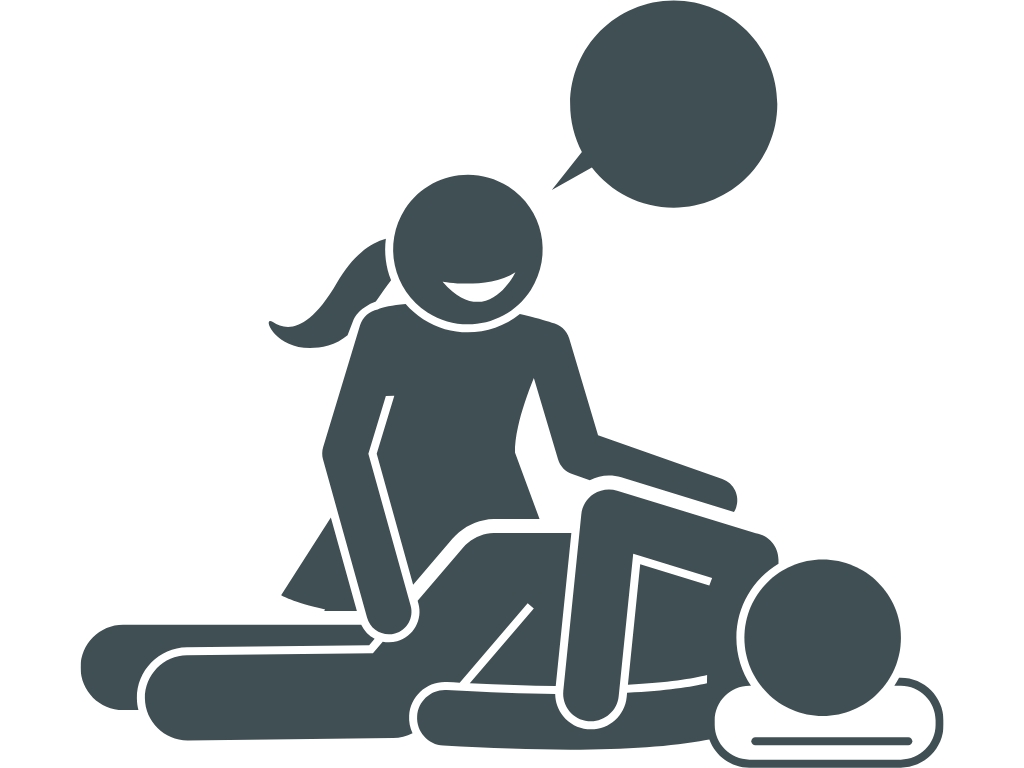
During a convulsive seizure, parents should protect the child from injury by moving hard or sharp objects away, cushion the head gently, place the child on their side if possible to protect the airway, and not restrain the movements or put anything in the child’s mouth.¹⁶
Timing the episode from the outset is helpful for subsequent clinical assessment.
Paediatric Neurology Support at The Health Suite Leicester
If your child has had a seizure, a possible seizure, or episodes that have left you uncertain about what happened and why, specialist assessment is the clearest route to answers and a practical plan. At The Health Suite Leicester, our paediatric neurology clinic provides expert assessment and care for children and young people with seizures, first episodes of possible epilepsy, febrile seizures, blackouts and a wide range of other neurological concerns.
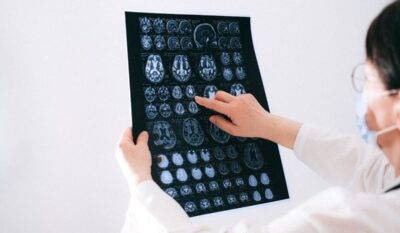
Our paediatric neurologist takes a detailed history, examines your child in a careful and child-friendly way, and reviews any previous letters or investigation results. Where tests are needed, including EEG recordings, brain scans, blood tests, heart checks or therapy assessments, we arrange these directly as part of your child’s care and explain results clearly, with written guidance for families, schools and your GP.
We follow the latest NICE guidelines, offer flexible appointments including after school and weekends, and take a whole-child approach that considers not only your child’s symptoms but their school life, wellbeing and family context. You will leave every appointment with a clear explanation, a written plan and practical next steps.
Concerned About Possible Seizures?
Paediatric Neurology Assessment for Seizures, Blackouts and Epilepsy
Paediatric Neurology
Private Paediatric Neurology in Leicester. Specialist Consultant-led diagnostics and gentle care for epilepsy, headaches, and developmental delays.