
Preventative Health Checks in the UK: Why Waiting for Symptoms Can Cost You Your Health
- Published:
- Last medically reviewed:
Most diseases develop silently for years. Discover why preventative health checks in the UK can detect problems early – and how to take a proactive approach to your health. The way most people in the UK interact with healthcare follows a familiar pattern. Something goes wrong, or becomes impossible to ignore, and only then do they seek help.
A persistent cough leads to a GP appointment. Chest pain prompts an urgent call. Fatigue that has been accumulating for years finally becomes debilitating enough to investigate. This reactive model, in which healthcare is something you access in response to illness rather than in pursuit of health, is deeply embedded in how the NHS was designed and how most people understand their relationship with medicine.
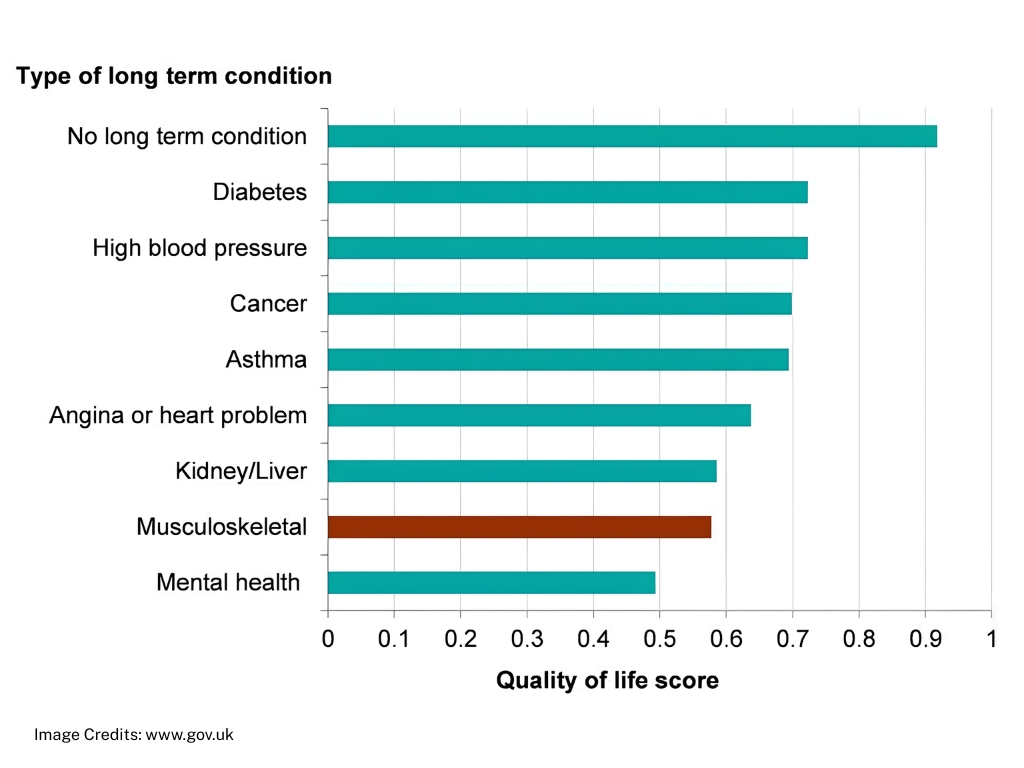
It is also, increasingly, understood to be one of the central reasons why chronic disease burden in the UK continues to rise despite significant advances in treatment. Cardiovascular disease, type 2 diabetes, certain cancers, and a range of metabolic and musculoskeletal conditions do not appear suddenly. They develop over months and years through a progression of biological changes that are detectable, and in many cases reversible, long before they produce symptoms significant enough to bring a person to their doctor.
By the time symptoms arrive, the underlying pathology is often well established, and the clinical task shifts from prevention to management of a condition that may now be lifelong.1 Around 60% of deaths in the UK are linked to preventable chronic diseases.
Preventative health in the UK is not a new concept, but it remains one that the majority of people do not actively engage with. Understanding why that matters, and what a genuinely proactive approach to health looks like, is the starting point for changing it.
-
The Gap Between Feeling Well and Being Well
One of the most clinically significant and least widely understood features of chronic disease is that the absence of symptoms does not mean the absence of disease progression. For example, hypertension, often called the silent killer, affects approximately 14 million adults in the UK and produces no noticeable symptoms in the vast majority of cases until it has caused damage to the heart, kidneys or blood vessels.2
Type 2 diabetes is frequently present for up to a decade before diagnosis, during which time elevated blood glucose is causing progressive damage to nerves, blood vessels and organs.³ Early-stage cardiovascular disease, thyroid dysfunction, osteoporosis and certain cancers all share this characteristic, developing silently across a clinically significant window of time during which intervention would be far more effective than it will be once symptoms finally emerge.
The assumption that feeling well equates to being well is therefore not only incorrect but potentially harmful. It creates a false sense of security that delays investigation until the point at which the disease has progressed to a stage requiring far more intensive, costly and disruptive treatment than would have been necessary had it been identified earlier. This is not a hypothetical risk. It is the trajectory that population health data reflects consistently, and it is the trajectory that preventative health care strategies are designed to interrupt.⁴
What Preventative Healthcare Actually Involves
Preventative healthcare is sometimes reduced in public perception to lifestyle advice, eating better, exercising more, sleeping adequately, and while these are genuinely important, they represent only one dimension of a comprehensive preventative approach. A meaningful preventative healthcare strategy involves active investigation of biological markers that provide early warning of disease risk, personalised assessment of an individual’s specific vulnerabilities based on their family history, lifestyle, symptoms and biochemistry, and targeted intervention to modify risk before pathology becomes established.⁵
In practice, this means going considerably beyond what a standard NHS health check provides. While the NHS Health Check for adults aged forty to seventy-four offers a valuable baseline, it assesses a relatively limited set of parameters within a brief consultation and does not extend to the more detailed metabolic, hormonal, nutritional and inflammatory profiling that characterises a thorough preventative assessment.
Advanced lipid profiling, for example, provides significantly more information about cardiovascular risk than standard cholesterol testing alone. Comprehensive thyroid panels detect subclinical dysfunction that standard TSH testing may miss. Inflammatory markers, vitamin and mineral status, hormonal profiles, glucose metabolism indices and measures of organ function all provide clinically useful information that is not routinely captured in a standard check-up.⁶
Early intervention therapy, where risk factors or early-stage dysfunction are identified and addressed before they progress to established disease, is among the most cost-effective and clinically impactful forms of healthcare available. The challenge is that it requires people to engage with their health before they feel ill, which runs counter to the reactive habits that most people have developed over a lifetime.
Why the NHS Model Makes Reactive Care the Default
It would be unfair and inaccurate to characterise the NHS as indifferent to prevention. Public health campaigns, vaccination programmes, cancer screening and cardiovascular risk assessment are all preventative in intent and have produced measurable population health benefits. However, the structural realities of a system under sustained pressure inevitably prioritise acute need over proactive health management, and this shapes the experience of most patients whether or not it reflects the intentions of those working within it.
GP appointments in England average less than ten minutes.⁷ The focus of those consultations is on presenting problems rather than a comprehensive health review. Waiting times for specialist referral mean that even where a GP identifies a concern worth investigating, the time between identification and assessment can extend to weeks or months. The cumulative effect is a system that functions well as a safety net for acute illness but is less well configured for the kind of sustained, personalised, proactive engagement that genuine health optimisation requires.
This is not a criticism but a reality, and it explains why a growing number of people in the UK are turning to private medical clinics to access the type of preventative care that falls outside what the NHS can practically deliver within its current constraints.⁸
The Case for Health Optimisation
Health optimisation is a term that is sometimes met with scepticism, associated in popular perception with expensive supplements and wellness trends of questionable clinical validity.
The reality is considerably more grounded. At its core, health optimisation simply means assessing where an individual’s health currently sits across multiple relevant parameters, identifying areas of suboptimal function or elevated risk, and intervening to improve those areas using evidence-based approaches before they become clinical problems.⁹ The evidence base for this approach is substantial.
We know that addressing insulin resistance before it progresses to type 2 diabetes dramatically reduces the risk of cardiovascular, renal and neurological complications.¹⁰ We know that identifying and correcting nutritional deficiencies, including vitamin D, iron, magnesium and B12, improves energy, mood, immune function and a range of other health parameters.
We know that early identification of hormonal imbalances, thyroid dysfunction and inflammatory markers allows targeted intervention that can prevent progression to more serious pathology. We know that the earlier cardiovascular risk is identified and modified, the greater the reduction in lifetime risk of heart attack and stroke.¹¹
None of this is experimental or fringe. It is the application of well-established clinical science to individuals before they become patients, rather than after.
Who Benefits From a Preventative Approach
The answer, in broad terms, is everyone, but certain groups have particularly clear reasons to engage with preventative health proactively. People with a family history of cardiovascular disease, diabetes, cancer or autoimmune conditions carry an elevated baseline risk that warrants earlier and more detailed monitoring than the general population. Adults in their thirties and forties, in whom the early stages of metabolic and hormonal change are beginning but symptoms are not yet prominent, are at an ideal point in the disease trajectory to intervene effectively.
People experiencing non-specific symptoms, persistent fatigue, brain fog, poor sleep, low mood, weight changes or recurrent illness, that have not produced a clear diagnosis through standard investigation, often benefit from a more comprehensive assessment that looks beyond the parameters routinely tested.¹² Those managing demanding professional or personal lives in which sustained performance, mental clarity and physical resilience matter are also increasingly recognising that reactive healthcare is not sufficient.
The concept of maintaining health rather than recovering it, of sustaining function rather than waiting for dysfunction to become undeniable, reflects a shift in how people understand their relationship with their own biology that is both rational and evidence-consistent.
What To Expect When Taking a Proactive Approach
For patients seeking preventative health checks in Leicester and across the UK, access to proactive care is increasingly shifting towards private clinics.
Engaging with preventative health through a private wellness clinic in the UK typically begins with a comprehensive assessment that is considerably more detailed than a standard health check.
This involves a thorough clinical history that takes in not only current symptoms but family history, lifestyle factors, occupational pressures, sleep, nutrition, exercise patterns and health goals. It is followed by targeted laboratory testing selected to reflect the individual’s specific risk profile and health priorities rather than a one-size-fits-all panel.
Results are reviewed and explained in detail, with a personalised plan that may include lifestyle recommendations, nutritional support, targeted supplementation, referral to specialist services where indicated, or simply a schedule for ongoing monitoring.¹³
The value of this process is not only in what it identifies. It is in the clarity and confidence it provides. Many people who present to a comprehensive preventative health assessment have been aware for some time that something is not quite right, but have not received a satisfactory explanation through standard channels. Others are simply motivated to understand their health more fully and to address areas of risk before they become problems. In both cases, the outcome of a well-conducted preventative assessment is a more complete and actionable picture of current health than reactive medicine is designed to provide.
Preventative Health at The Health Suite Leicester
The earlier you understand your health, the more control you have over it. At The Health Suite Leicester, our approach to preventative health is built on the principle that the best time to address a health concern is before it becomes a health problem.
Whether you are motivated by a family history of a specific condition, are experiencing symptoms that have not yet produced a clear diagnosis, or simply want to take a more informed and proactive approach to your health, our multidisciplinary team provides the clinical expertise, the time and the personalised attention that genuine health optimisation requires.
At The Health Suite in Leicester, we provide doctor-led, comprehensive preventative health assessments designed to identify risk early and give you a clear, personalised plan forward. If you’ve been waiting for symptoms before taking action, now is the time to change that.
Explore our comprehensive private health checks in Leicester or book a GP consultation to start your preventative health journey.
Start Your Preventative Health Journey
Book your preventative health check at The Health Suite Leicester today and take a proactive approach to your long-term health with doctor-led, personalised care.

Private GP
Private GP Clinic in Leicester. Access rapid, unhurried, same-day doctor appointments, health screenings, and instant referrals with expert medical care.

Health Check
Comprehensive Health Check Packages: Standard, Advanced, Pro & VIP Options at The Health Suite Leicester

Full Blood MOTs
Want a comprehensive check on your health? Access advanced private blood MOT panels with fast turnaround times at our comfortable Leicester clinic.