General Dermatology in Leicester
Healthy Skin, Expert Care – Your Dermatology Specialists in Leicester.
At The Health Suite Leicester, we offer comprehensive dermatology treatments for various skin conditions. We have the latest technology and medical advances available to help treat common issues like acne, eczema, and psoriasis, as well as more difficult-to-manage skin conditions such as vitiligo, rosacea, and alopecia. Book an appointment with our Consultant Dermatologist today.
What is dermatology?
Dermatology is a speciality not only for skin but also for nails and hair. A dermatologist is an expert who specialises in these areas of the body, treating conditions such as rashes, infections, allergies, autoimmune conditions and cancer. At The Health Suite, we are proud to offer the best dermatology care in Leicester. Our experienced dermatology consultant has the expertise to diagnose your condition accurately and will work with you to customise a treatment plan to suit your needs. Whether you want relief from a skin condition or simply want to improve your skin’s health, our consultant can provide the guidance and support you need.
Appointments are available for adults and children at our clinic in Leicester to help manage various skin conditions. These include Acne, Eczema / Dermatitis, Skin cancer treatment, Cysts, Vitiligo, Lichen planus, Warts, and Nail disorders. We can offer skin surgery for lesions such as Skin tags, Mole removal, Cyst removal, Skin cancer removal and repair, Psoriasis`Rosacea, Moles (naevus), Lumps and Bumps, Allergic dermatitis, Warts, Hair loss/alopecia
Dermatology Conditions & Treatments
Acne
Acne is a common skin condition where hair follicles become clogged with oil, dead skin cells, and bacteria. This can lead to the development of spots (whiteheads, blackheads, pimples, or cysts). These most typically occur on the face, neck, chest, back and shoulders. They most commonly occur in younger people in adolescence, although they can also occur in people of all ages. The exact causes of acne are not fully understood.
There are multiple steps of acne treatment:
- Topical treatments (applied to the skin) usually contain drying agents (benzyl peroxide), antibiotics and even retinoids. These can help to unclog pores, reduce inflammation and treat the bacteria in the skin
- Oral antibiotics (may need to be used for up to 3 months).
- Birth control pill in female patients
- Vitamin A treatment (retinoids)
- Chemical peels can help unclog pores and remove the outer layer of skin
Eczema
Eczema is a chronic skin condition, also known as atopic dermatitis, which most commonly affects children. Symptoms include red, inflamed and itchy skin with associated scaly patches. This skin condition usually affects the face, neck, hands, feet and joint flexor surfaces. Whilst it is not well known what causes eczema, triggers have been thought to include allergens, topical irritants, stress, and temperature changes.
The mainstay of eczema is usually topical (on the skin) therapy.
- The mainstay of eczema is usually topical (on the skin) therapy.
- Moisturisers, becoming progressively more oily
- Topical steroid creams
- Topical immunosuppressants
- Light therapy
- Oral disease-modifying medications.
Psoriasis
Psoriasis is an autoimmune skin condition characterised by red, thickened plaque disease of the skin caused by the body’s immune system overreacting towards the patient’s skin. This leads to a build-up of dead skin cells on the surface. Plaque disease most commonly affects the scalp, knees, elbows and lower back. Psoriasis is caused by an overactive immune system that triggers skin cells to grow too quickly, leading to a buildup of dead skin cells on the skin’s surface. Nails on both hands and feet can be thickened and discoloured as part of psoriasis and may precede any skin involvement. Other symptoms can include joint pains and inflammation, and overlap with other autoimmune diseases (rheumatoid, autoimmune thyroid disease).
Triggers for worsening the condition include stress, antibiotics, smoking, and some medications.
- The mainstay of psoriasis is usually topical (on the skin) therapy.
- Moisturisers, becoming progressively more oily
- Topical vitamin D preparations, coal tar.
- Topical steroid creams
- Topical immunosuppressants
- Light therapy
- Oral or injected disease-modifying medications.
- Lifestyle changes: Certain lifestyle changes include managing stress, quitting smoking, and maintaining a healthy diet and exercise routine.
Seborrhoeic Keratosis
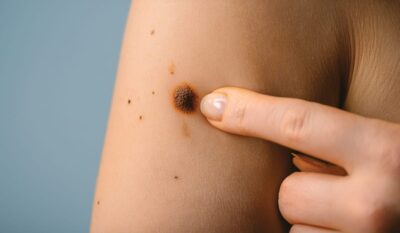
Seborrheic keratoses are usually waxy or rough, raised, brown, black or tan-coloured noncancerous skin growths. These typically affect middle to older age individuals, usually found on the back, face, chest or shoulders. Although these lesions do not always need treatment, sometimes they can become prominent or catch in clothing and become irritated.
Seborrhoeic keratosis is believed to be caused by an overgrowth of skin cells. Although they are usually non-cancerous, any rapid changes, bleeding, or new symptoms should prompt a review with a dermatologist. Seborrhoeic keratosis can be removed by excision, freezing, or shaving under the care of a dermatologist.
Treatment options and pricing
Browse and click below to book any of our available services.
Search services
Initial Consultation with Consultant Dermatologist
An Initial Consultation with a Consultant Dermatologist involves discussing your skin concerns, undergoing a thorough examination, and exploring treatment options or further tests.
Follow up Appointment with Consultant Dermatologist
A follow-up appointment with a Consultant Dermatologist reviews treatment progress, monitors any changes, and adjusts the care plan to address ongoing skin concerns or conditions.
No matching items found.
What we treat
At The Health Suite Leicester, our private medical clinic offers expert care whenever you need it. Our team of experienced GPs and healthcare professionals provide personalised diagnosis and treatment for a wide range of medical conditions, ensuring high-quality, professional care in a comfortable setting.
Click below to view useful info on a few of the common conditions we treat:
-
Inflammatory skin conditions
Control frustrating flare-ups. Receive expert care for eczema, dermatitis, psoriasis, and rosacea with tailored medical and topical treatments designed to reduce deep inflammation and surface irritation.
-
Acne & related breakouts
Clear up persistent facial blemishes. Our personalized acne management includes prescription topicals, oral medications, and targeted procedural options to treat active acne and reduce permanent scarring.
-
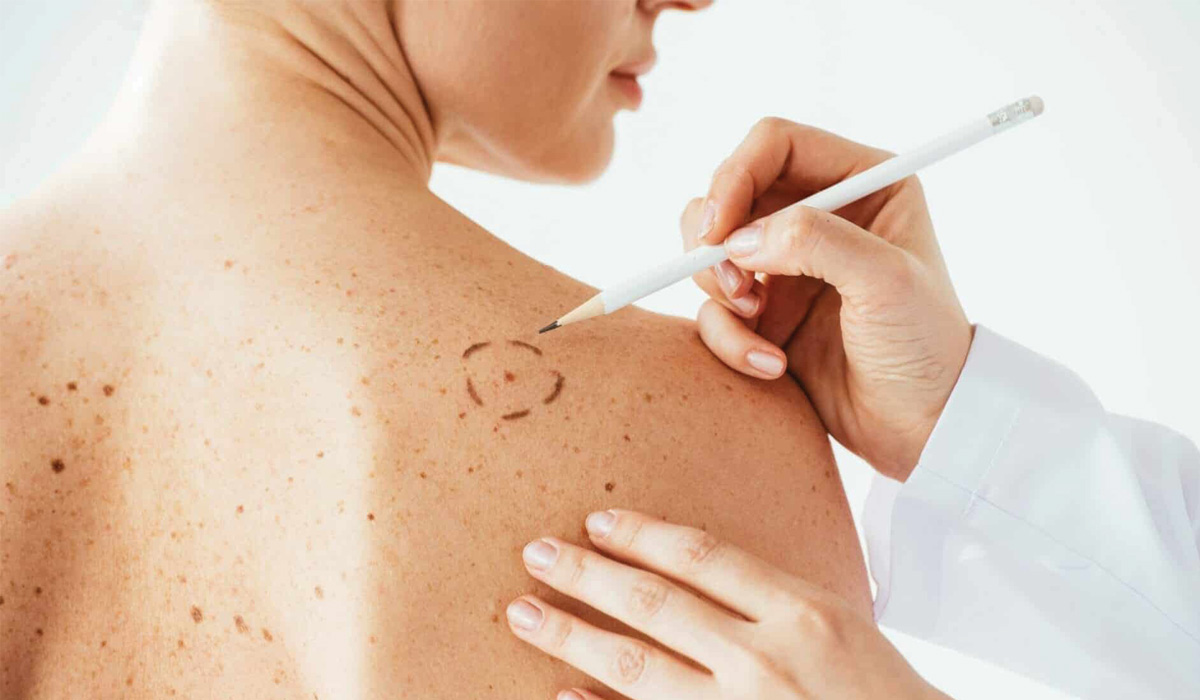
Suspicious skin lesions & mole checks
Monitor changing skin profiles. We provide thorough assessments of moles, spots, and growths to quickly identify changes that may warrant a biopsy, continuous monitoring, or removal.
-
Hair & scalp disorders
Revitalise your hair and scalp health. We offer precise diagnosis and treatment for alopecia (hair loss), chronic scalp irritation, and other hair conditions using evidence-based dermatological care.
-
Nail disorders & infections
Restore clear, healthy nails. We offer expert management of conditions such as stubborn fungal infections, painful ingrown nails, and psoriasis-associated nail changes with appropriate medical therapy.
-
many more
Our clinicians manage a broad spectrum of conditions, and individual assessment allows us to tailor care beyond the examples listed. We encourage you to book a consultation to discuss your symptoms and appropriate treatment options.
Symptom checker
If you are experiencing any of these symptoms, please book an appointment with us. Symptoms can vary from person to person and from condition to condition. A proper diagnosis can only be made through a thorough medical examination.
Our clinicians will carry out a full assessment to ensure an accurate diagnosis and appropriate care.
-
Are you struggling with persistent acne, pimples or breakouts that don’t clear with basic care?
Dermatology can assess acne severity and recommend medical treatments or procedures to reduce inflammation and improve skin health.
-
Do you have itchy, dry, scaly patches of skin or eczema that flare up often?
Persistent eczema or dermatitis can benefit from specialist diagnosis and tailored topical or systemic treatments.
-
Have you noticed red, thickened, itchy or flaky patches of skin?
These could be psoriasis or rosacea, dermatology can offer diagnosis and personalised management plans.
-
Are you concerned about changes in moles, new spots or unusual skin growths?
Skin checks by a dermatologist help assess suspicious lesions and decide if monitoring, biopsy or removal is needed.
-
Is hair thinning, hair loss or scalp irritation affecting you?
Dermatologists diagnose hair and scalp disorders and can recommend treatments to support hair growth and scalp health.
-
Do you have persistent nail changes, infections or painful nail conditions?
Nail problems such as fungal infections, ingrown nails or psoriasis‑related changes are diagnosed and treated in dermatology.
Why choose The Health Suite for General Dermatology?
Choose The Health Suite Leicester for expert, personalised healthcare, fast access to specialists, advanced diagnostics and exceptional patient care.
-
Expertise
We pride ourselves on our comprehensive expertise, with a team of highly skilled and registered dermatologists who offer a wide range of specialised knowledge and treatments to address various skin conditions.
-
Patient-Centered Approach
Our patient-centred approach is at the heart of what we do, as we prioritise your well-being and satisfaction, fostering open communication, empathy, and a personalised treatment plan to meet your unique needs and concerns.
-
State-of-the-Art Technology
We are committed to staying at the forefront of technological advancements, using cutting-edge diagnostic tools and treatment modalities to deliver accurate diagnoses and provide you with effective, minimally invasive therapies.
Advice from the experts
Read clear, expert advice from our clinicians, offering trusted advice, clinical insight, and practical guidance to help you understand your treatment and care options.
Have a query about General Dermatology at The Health Suite Leicester?
We recognise that getting the healthcare assistance you need can be difficult. So if you have a query, feel free to contact us and one of our treatment co-ordinators will be happy to help. We aim to reply to all queries within 24 hours (Mon – Fri).
Meet our General Dermatology Clinicians
Meet our dedicated team at The Health Suite Leicester, where skilled professionals are committed to providing exceptional care tailored to your medical and wellness needs.

Dr Christos Kasparis
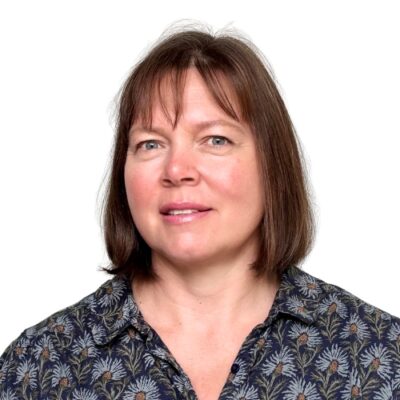
Dr Kerry Shalders
Common Q&A about General Dermatology
Our FAQ section is designed to address common questions you may have, from how our treatments work to what you can expect during and after your session.
Our team is always available to provide additional support if you need more personalised guidance, ensuring that you feel informed and confident every step of the way.
You may also be interested in the following
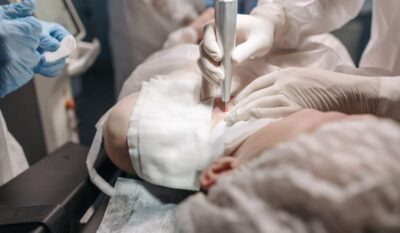
GP-Led Minor Skin Surgery
Book private GP-Led Minor Skin Surgery at The Health Suite Leicester. Safe, sterile removal of moles, cysts, lipomas, and skin tags with minimal scarring.
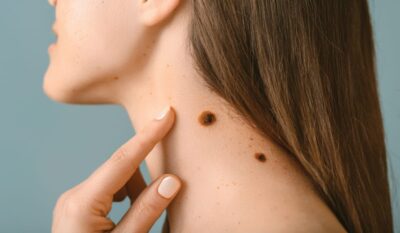
Mole Mapping
Book private Mole Mapping at The Health Suite Leicester. Get advanced digital dermoscopy and expert skin cancer screenings from consultant dermatologists
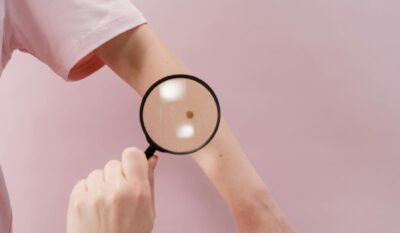
Skin Lesion Photography and Mole Check
Skin Lesion Photography in Leicester. Get fast-track digital screening and consultant dermatologist reviews.