
Knee Pain Physiotherapy in Leicester
Strengthen, Stabilise, and Move Pain-Free with Knee Pain Physiotherapy at The Health Suite Leicester
Knee pain is a common complaint in the UK, often associated with sports-related injuries, degenerative diseases like osteoarthritis, or conditions such as patellofemoral pain syndrome. Symptoms typically include swelling, stiffness, and a reduction in knee function, affecting mobility and quality of life. Knee pain physiotherapy is a specialised treatment approach designed to alleviate discomfort, restore mobility, and strengthen the muscles supporting the knee joint. It involves a combination of targeted exercises, manual therapy, and modalities such as ultrasound, electrical stimulation, and heat or ice therapy to reduce pain and inflammation.
Physiotherapists assess the underlying causes of knee pain, which may stem from injuries, arthritis, muscle imbalances, or post-surgical recovery, and develop personalised rehabilitation plans. Strengthening exercises for the quadriceps, hamstrings, and hip muscles play a crucial role in enhancing knee stability and function. Additionally, techniques like stretching, balance training, and gait correction help prevent future injuries and improve overall movement efficiency. Through a structured and progressive physiotherapy program, patients can achieve pain relief, increased flexibility, and a better quality of life.
Our comprehensive knee pain management includes:
- Personalised Exercise Therapy: Focusing on quadriceps and hamstring strengthening, balance training, and proprioceptive exercises for knee stability and function.
- Advanced Manual Therapy Techniques: Including soft tissue mobilisation, patellar mobilisations, and trigger point therapy to alleviate pain and improve knee joint mechanics.
- Functional Movement Training and Gait Analysis: Critical for athletes or individuals with biomechanical issues contributing to knee pain.
For all-encompassing knee health, we offer:
- Ultrasound-Guided Steroid Injections: Directly targeting areas of intense inflammation, particularly beneficial for conditions like knee osteoarthritis.
- Diagnostic Ultrasound Imaging: Providing detailed insights into knee joint structures, crucial for tailoring rehabilitation programs.
- Blood Tests for In-Depth Health Assessment: Identifying potential systemic causes of knee pain, such as gout or autoimmune disorders.
- Consultations with Our Private GP: Offering additional medical insights and discussing further treatment options, including potential surgical interventions.
At The Health Suite in Leicester, knee pain physiotherapy is tailored to alleviate discomfort and enhance joint function. The treatment plan includes strengthening exercises for the quadriceps and hamstrings, balance training, and proprioceptive exercises to improve knee stability. Manual therapy techniques, such as joint mobilisation and soft tissue work, are also incorporated to restore function and stability. This comprehensive approach aims to reduce pain, improve mobility, and prevent future injuries, ensuring patients achieve their rehabilitation goals effectively.
Watch to learn more about this treatment
Watch expert videos on your treatment to understand the benefits, process, and what to expect before your consultation.
What Is Physiotherapy? Understanding Pain & Recovery | The Health Suite Leicester | MSK Clinic
Chronic Pain & Nerve Pain Explained | How Physiotherapy Helps | Physiotherapy | The Health Suite
Knee Pain Explained | Causes, Symptoms & Physiotherapy Treatment | Physiotherapy | The Health Suite
Treatment options and pricing
Browse and click below to book any of our available services.
Knee Pain Physiotherapy – Initial Appointment
Comprehensive first assessment of your knee pain, mobility, and strength to create a personalised physiotherapy plan to reduce pain and improve function.
Knee Pain Physiotherapy – Follow‑Up Appointment
Progress review to adjust your knee pain physiotherapy plan, refine exercises, and improve strength, stability, and mobility for lasting pain relief.
What we treat
At The Health Suite Leicester, our private medical clinic offers expert care whenever you need it. Our team of experienced GPs and healthcare professionals provide personalised diagnosis and treatment for a wide range of medical conditions, ensuring high-quality, professional care in a comfortable setting.
Click below to view useful info on a few of the common conditions we treat:
-
Patellofemoral (Front‑of‑Knee) Pain
Common in runners, walkers, and desk workers alike, this pain often arises from muscle imbalance and poor movement patterns. Physiotherapy strengthens supporting muscles and improves patella tracking to reduce pain and improve function.
-
Meniscus & Soft Tissue Irritation
Irritation of cartilage or surrounding soft tissue can cause activity‑related pain and swelling. Physiotherapists use targeted exercises, manual techniques, and activity advice to calm irritation and support tissue healing.
-
Knee Stiffness & Reduced Range of Motion
When knee bending or straightening feels limited, physiotherapy employs mobilisation, stretching, and specific movement training to regain flexibility and confidence in daily movement.
-
Muscle Weakness Around the Knee
Weak quadriceps, hamstrings, or hip muscles can contribute to knee strain. Strengthening programmes tailored by a physiotherapist improve support around the joint and reduce pain during activity.
-
Functional Instability or Movement Dysfunction
If your knee feels unstable or you alter how you walk to avoid pain, physiotherapy evaluates gait and movement patterns, then prescribes exercises and techniques that enhance stability and coordination.
-
many more
Our clinicians manage a broad spectrum of conditions, and individual assessment allows us to tailor care beyond the examples listed. We encourage you to book a consultation to discuss your symptoms and appropriate treatment options.
Symptom checker
If you are experiencing any of these symptoms, please book an appointment with us. Symptoms can vary from person to person and from condition to condition. A proper diagnosis can only be made through a thorough medical examination.
Our clinicians will carry out a full assessment to ensure an accurate diagnosis and appropriate care.
-
Do you have pain around your knee when walking, climbing stairs, or squatting?
Pain during everyday activities like walking or using stairs often comes from muscle imbalance, joint irritation, or overuse. Physiotherapy assesses biomechanics and movement patterns to reduce strain and guide recovery.
-
Does your knee feel stiff or difficult to bend or straighten fully?
Knee stiffness can limit walking, kneeling, or bending. Physiotherapy uses manual therapy and guided exercises to improve flexibility and restore full range of motion safely.
-
Is your knee swollen, warm, or tender after activity?
Swelling and tenderness after exercise may indicate joint irritation or inflammation. A physiotherapist can advise safe activity levels, swelling management and targeted techniques to ease discomfort.
-
Do you feel clicking, grinding, or instability in your knee?
Sensation of catching or giving way may reflect muscle weakness or tracking issues in the joint. Physiotherapy strengthens key muscles and improves control to support knee stability.
-
Has knee pain lasted for weeks or returned repeatedly despite rest?
Persistent or recurring pain can result from underlying biomechanical issues rather than one‑off strain. Physiotherapy identifies contributing factors and creates a tailored plan to break the pain cycle.
-
Does knee discomfort limit your daily activities or exercise goals?
If knee pain stops you from walking, exercising, or playing sport, physiotherapy can help improve function, guide safe activity progression, and support recovery without unnecessary strain.
Why choose The Health Suite for Knee Pain Physiotherapy?
Choose The Health Suite Leicester for expert, personalised healthcare, fast access to specialists, advanced diagnostics and exceptional patient care.
-
Experienced Knee Specialists
Our team has extensive experience in diagnosing and treating knee pain, from acute injuries to degenerative conditions.
-
Customised Rehabilitation Programs
We design knee rehabilitation programs that are tailored to individual needs, focusing on pain relief, strength building, and mobility enhancement.
-
Integrated Care Approach
Our multidisciplinary team ensures a holistic approach.
Advice from the experts
Read clear, expert advice from our clinicians, offering trusted advice, clinical insight, and practical guidance to help you understand your treatment and care options.



Have a query about Knee Pain Physiotherapy at The Health Suite Leicester?
We recognise that getting the healthcare assistance you need can be difficult. So if you have a query, feel free to contact us and one of our treatment co-ordinators will be happy to help. We aim to reply to all queries within 24 hours (Mon – Fri).
Meet our Knee Pain Physiotherapy Clinicians
Meet our dedicated team at The Health Suite Leicester, where skilled professionals are committed to providing exceptional care tailored to your medical and wellness needs.

Shree Savani
Chartered Physiotherapist and Sports Massage Therapist

Nur Mohammad
Musculoskeletal Practitioner / Physiotherapist

Zainab Docrat
Physiotherapist

John Snaith
Clinical Specialist Musculoskeletal Physiotherapist
Common Q&A about Knee Pain Physiotherapy
Our FAQ section is designed to address common questions you may have, from how our treatments work to what you can expect during and after your session.
Our team is always available to provide additional support if you need more personalised guidance, ensuring that you feel informed and confident every step of the way.
You may also be interested in the following
Advanced Physiotherapy & Osteopathy Assessments
Looking for physiotherapy or osteopathy supported by advanced MSK scanning and personalised assessment?
Assessment, Reports, Interpretation & Treatment by Physiotherapist or Osteopath
Follow up scan & Treatment by Physiotherapist or Osteopath

Joint Injection Therapy
Private joint injection therapy in Leicester. Corticosteroid, PRP, and hyaluronic acid injections to safely reduce joint pain and inflammation.
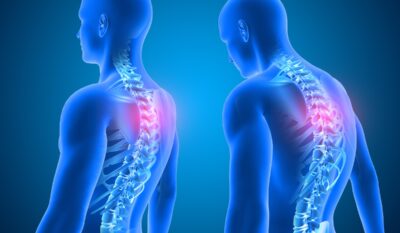
Advanced Posture & Movement Assessment
Identify biomechanical imbalances, optimise movement patterns, and relieve chronic pain.

General Physiotherapy
Expert private physiotherapy in Leicester. Recover from sports injuries, manage chronic pain, and rebuild strength with tailored, specialist care.