
Lower Back Pain Management in Leicester
Strong Backs, Pain-Free Lives – Expert Lower Back Pain Management in Leicester.
At The Health Suite Leicester, our Lower Back Pain Management physiotherapy services are designed to provide effective relief and long-term solutions for individuals experiencing back discomfort. Our experienced physiotherapists carry out thorough assessments to identify the root cause of pain, whether it’s due to posture, muscle imbalances, injury, or degenerative conditions. We offer personalised treatment plans that may include hands-on manual therapy, tailored exercise programs to strengthen core muscles, postural education, and pain management techniques such as heat therapy and electrotherapy. Our holistic approach not only focuses on reducing pain but also on improving mobility, preventing future episodes, and enhancing overall spinal health.
Lower back pain, a prevalent cause of physical disability, particularly in the workplace, affects nearly 80% of people at some point in their lives, with over 9 million people in England alone living with back pain. At The Health Suite Leicester, we prioritise addressing this common yet debilitating issue through comprehensive physiotherapy approaches. Lower back pain management through physiotherapy focuses on relieving pain, improving mobility, and preventing future injuries. A physiotherapist may use a combination of manual therapy, targeted exercises, posture correction, and education on body mechanics to address the root cause of the pain. Strengthening the core muscles, stretching tight muscles, and practising proper lifting techniques can help reduce strain on the lower back. Modalities such as heat therapy, ultrasound, or electrical stimulation may also be used to alleviate discomfort. A personalised treatment plan ensures long-term relief and enhances overall spinal health, allowing individuals to return to daily activities with reduced pain and improved function.
The Health Suite Leicester provides expert physiotherapy for lower back pain management, helping patients regain mobility and reduce discomfort through tailored treatment plans. Our experienced physiotherapists use evidence-based techniques, including manual therapy, exercise programs, posture correction, and pain management strategies, to address the root cause of back pain. Whether the pain is due to injury, poor posture, or a chronic condition, their personalised approach ensures effective relief and long-term recovery. With a focus on improving strength, flexibility, and overall well-being, The Health Suite Leicester helps patients achieve a pain-free and active lifestyle.
Watch to learn more about this treatment
Watch expert videos on your treatment to understand the benefits, process, and what to expect before your consultation.
Chronic Pain & Nerve Pain Explained | How Physiotherapy Helps | Physiotherapy | The Health Suite
Lower Back Pain Explained | How Physiotherapy Can Help | Physiotherapy | The Health Suite Leicester
Back Pain Mistakes to Avoid | Expert Tips from a Physiotherapist | John Snaith | The Health Suite
Treatment options and pricing
Browse and click below to book any of our available services.
Lower Back Pain Management – Initial Appointment
Detailed first assessment of your lower back pain to identify causes and create a personalised physiotherapy plan for pain relief, mobility, and strength.
Lower Back Pain Management – Follow‑Up Appointment
Review progress, adjust your personalised lower back pain plan, refine exercises, and improve mobility, strength, and ongoing pain relief.
What we treat
At The Health Suite Leicester, our private medical clinic offers expert care whenever you need it. Our team of experienced GPs and healthcare professionals provide personalised diagnosis and treatment for a wide range of medical conditions, ensuring high-quality, professional care in a comfortable setting.
Click below to view useful info on a few of the common conditions we treat:
-
Muscle Strain & Ligament Irritation
Acute or chronic strains in the muscles and connective tissues of the lower back can cause ongoing discomfort. Assessment and manual therapy help relieve tension, reduce pain, and support tissue healing.
-
Postural & Movement‑Related Pain
Poor posture or movement patterns can overload the lumbar spine. Physiotherapy and biomechanical assessment identify strain patterns and build corrective strategies to reduce stress and improve function.
-
Stiffness & Reduced Flexibility
Back stiffness limits day‑to‑day activities and often worsens pain. Individually tailored mobilisations and stretching help increase range of motion and support easier movement.
-
Functional Weakness & Core Instability
Weak core and stabilising muscles can contribute to back pain cycles and recurrence. Strengthening exercises and guided movement strategies help establish a more supportive foundation for the spine.
-
Chronic Pain & Flare‑Up Management
For ongoing or recurrent back pain, multi‑modal care including exercise prescription, hands‑on therapy, pain education and activity pacing helps manage symptoms and support long‑term resilience.
-
many more
Our clinicians manage a broad spectrum of conditions, and individual assessment allows us to tailor care beyond the examples listed. We encourage you to book a consultation to discuss your symptoms and appropriate treatment options.
Symptom checker
If you are experiencing any of these symptoms, please book an appointment with us. Symptoms can vary from person to person and from condition to condition. A proper diagnosis can only be made through a thorough medical examination.
Our clinicians will carry out a full assessment to ensure an accurate diagnosis and appropriate care.
-
Do you have persistent lower back pain that lasts more than a few weeks?
Pain that lingers beyond a short strain can be due to muscle tension, joint irritation, posture issues, or biomechanical imbalance. A specialist assessment helps identify factors that keep pain ongoing and builds a targeted recovery plan.
-
Is your lower back pain worse with bending, lifting or sitting for long periods?
Activities that load the spine can worsen discomfort if muscles are weak or joints aren’t moving properly. Targeted assessment and movement planning support better biomechanics and reduce strain during daily tasks.
-
Have you tried rest or simple remedies without lasting relief?
If pain returns despite rest, over‑the‑counter meds, or basic stretches, it may indicate underlying movement or muscle imbalances that benefit from professional assessment and personalised therapy.
-
Do you feel stiffness and reduced range of motion in your back?
Stiffness limits movement and often perpetuates pain. A structured approach involving manual therapy and gentle movement helps improve flexibility and restores more comfortable motion.
-
Does your back pain affect your ability to work, walk, or sleep comfortably?
Pain that disrupts daily life and rest can come from multiple interlinked causes. Professional management supports functional improvement and helps you return to activity with less discomfort.
-
Do you have associated leg pain, numbness or tingling?
Symptoms radiating down the leg (sciatica) can accompany lower back issues from nerve irritation or muscular imbalance. A careful evaluation helps distinguish sources and guide appropriate care.
Why choose The Health Suite for Lower Back Pain Management?
-
Expert Physiotherapy Team
Our team of physiotherapists specialises in lower back pain, employing evidence-based techniques to diagnose and treat various back conditions effectively.
-
Personalised Treatment Plans
We offer customised treatment plans that include a combination of manual therapy, exercise, and pain management strategies, tailored to each patient’s unique needs.
-
Holistic Approach
Our multidisciplinary team works collaboratively to address all aspects of lower back pain, ensuring a comprehensive approach to recovery and long-term back health.
Advice from the experts
Read clear, expert advice from our clinicians, offering trusted advice, clinical insight, and practical guidance to help you understand your treatment and care options.



Have a query about Lower Back Pain Management at The Health Suite Leicester?
We recognise that getting the healthcare assistance you need can be difficult. So if you have a query, feel free to contact us and one of our treatment co-ordinators will be happy to help. We aim to reply to all queries within 24 hours (Mon – Fri).
Meet our Lower Back Pain Management Clinicians
Meet our dedicated team at The Health Suite Leicester, where skilled professionals are committed to providing exceptional care tailored to your medical and wellness needs.

Shree Savani
Chartered Physiotherapist and Sports Massage Therapist

Nur Mohammad
Musculoskeletal Practitioner / Physiotherapist

Zainab Docrat
Physiotherapist

John Snaith
Clinical Specialist Musculoskeletal Physiotherapist
Common Q&A about Lower Back Pain Management
Our FAQ section is designed to address common questions you may have, from how our treatments work to what you can expect during and after your session.
Our team is always available to provide additional support if you need more personalised guidance, ensuring that you feel informed and confident every step of the way.
You may also be interested in the following
Advanced Physiotherapy & Osteopathy Assessments
Looking for physiotherapy or osteopathy supported by advanced MSK scanning and personalised assessment?
Assessment, Reports, Interpretation & Treatment by Physiotherapist or Osteopath
Follow up scan & Treatment by Physiotherapist or Osteopath

General Physiotherapy
Expert private physiotherapy in Leicester. Recover from sports injuries, manage chronic pain, and rebuild strength with tailored, specialist care.

Deep Tissue Massage
Private deep tissue massage in Leicester. Therapeutic, firm-pressure massage targeting deeper muscle layers to relieve chronic pain and stiffness.
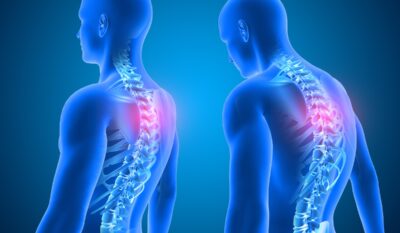
Advanced Posture & Movement Assessment
Identify biomechanical imbalances, optimise movement patterns, and relieve chronic pain.