
Top 5 Causes of Anal Skin Tags and How to Remove Them
- Published:
- Last medically reviewed:
Anal skin tags are small folds of excess skin that form around the anal opening. They are entirely benign and carry no risk of becoming cancerous, but they can cause persistent irritation, hygiene difficulty and self-consciousness that affects daily comfort and quality of life in ways that are easy to underestimate from the outside.
They are also more common than many people realise, and yet they remain one of the conditions people are most likely to manage quietly without seeking help – either because the location makes the subject feel difficult to raise with a doctor, or because they are unsure whether effective treatment is available.
Yet anal skin tags can be safely and straightforwardly removed in a discreet outpatient setting, and for most people, the procedure produces immediate and lasting relief from the symptoms they have been managing.
Before removal is considered, a thorough clinical assessment is essential. Other conditions can look similar to a skin tag on self-examination, and in many cases, a skin tag is the visible sign of an underlying anorectal condition that also requires attention.
Understanding the most common causes of anal skin tags is both clinically important and practically useful for anyone trying to make sense of their own situation.
-
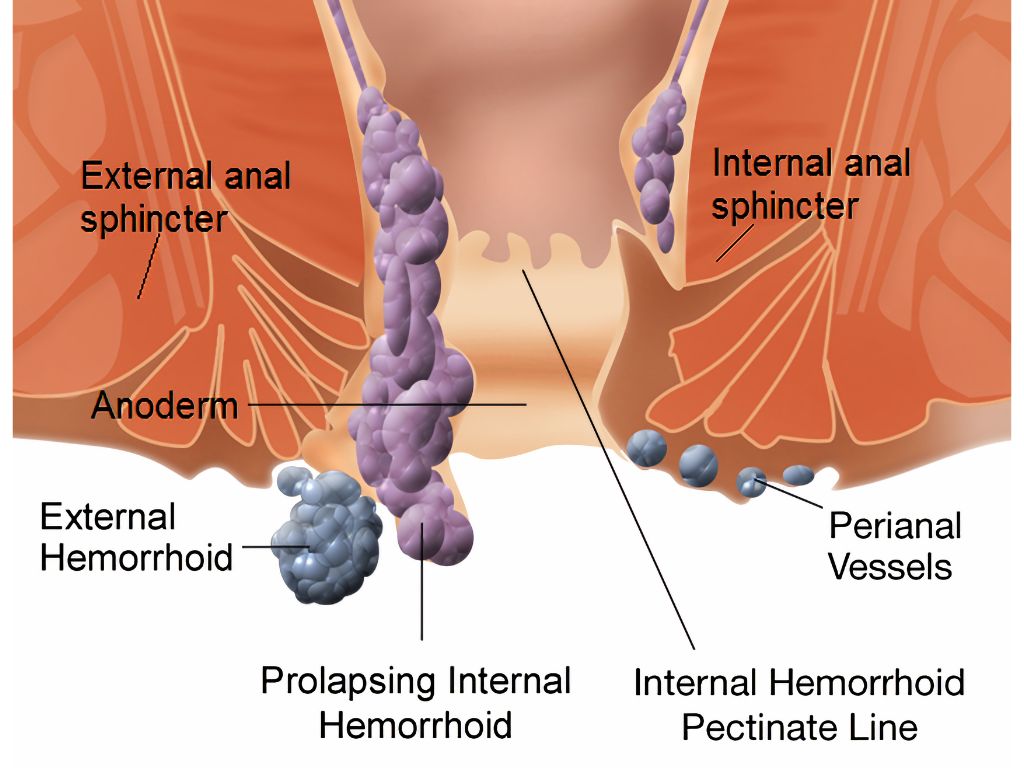
1. Haemorrhoids
Haemorrhoids, commonly known as piles, are one of the most frequent causes of anal skin tags1.
When haemorrhoids become enlarged, prolapsed or thrombosed, they can leave behind excess skin at the anal verge once the acute swelling has resolved.
In the case of a thrombosed external haemorrhoid, where a blood clot forms within a haemorrhoidal vessel, the stretched skin surrounding the clot does not return to its previous state once the episode settles, leaving a persistent skin tag 2.
Where haemorrhoidal disease is still active alongside a skin tag, treating the haemorrhoids either before or at the same time as removing the tag is generally recommended to reduce the risk of further tags developing1,2.
This is one of the reasons why a proper clinical examination matters before any removal procedure is planned.
-
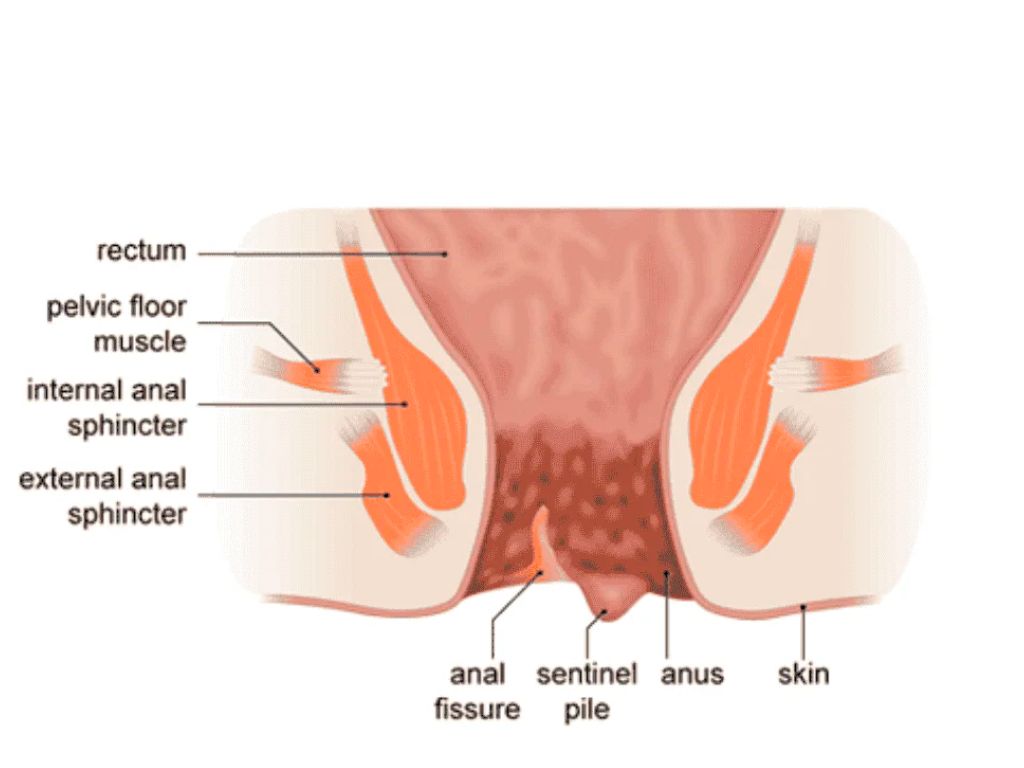
2. Anal Fissures
An anal fissure is a small tear in the lining of the anal canal that produces pain, bleeding and spasm during and after bowel movements.
In chronic fissure disease, the repeated cycle of tearing, inflammation and attempted healing leads to a characteristic skin tag, known as a sentinel pile, forming at the lower margin of the fissure3.
The sentinel pile is a recognised diagnostic feature of chronic anal fissure, and its presence on examination is an important clinical indicator.
Removing the skin tag without addressing the underlying fissure will not resolve the problem. The fissure will continue to cause pain and tissue changes if left untreated, and the tag is likely to recur3,4.
Where an active fissure is identified, treatment of the fissure, including options such as topical therapy or botulinum toxin injection, is recommended alongside or before skin tag removal.
-
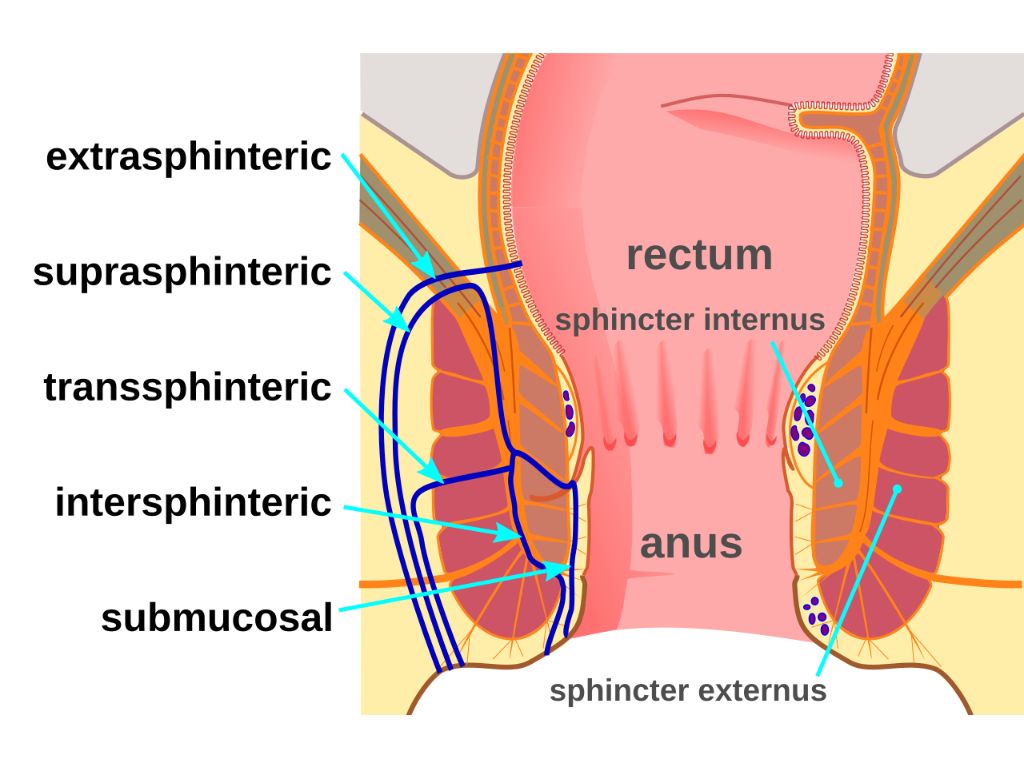
3. Previous Anorectal Surgery or Childbirth
Anal skin tags can develop following a range of anorectal procedures, including haemorrhoidectomy, fistula surgery, abscess drainage and haemorrhoid banding, as well as following childbirth, where obstetric trauma to the perianal tissues is a recognised cause of tag formation5.
The healing process in the perianal region can produce excess skin folds or fibrotic tissue at the site of previous trauma or surgery, particularly where healing has occurred gradually or where the original wound edges did not align perfectly.
Post-surgical and post-partum skin tags are benign and do not indicate a complication, but they can cause the same hygiene difficulties, itching and discomfort as tags arising from other causes.
For women who develop perianal skin tags following childbirth, the tags may become symptomatic in the context of subsequent pregnancies or as pelvic floor changes develop over time5.
-
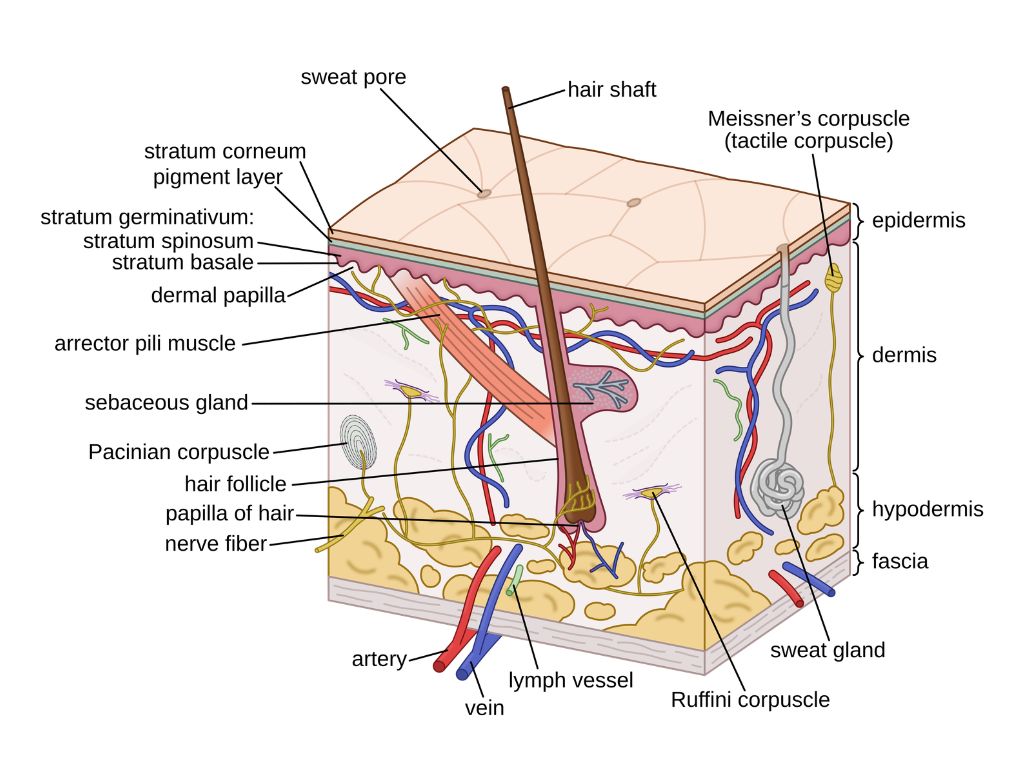
4. Chronic Skin Conditions and Perianal Irritation
Chronic skin conditions affecting the perianal region, including lichen sclerosus and psoriasis, can contribute to skin tag formation through ongoing inflammation, skin thickening and repeated cycles of irritation and healing6.
Persistent perianal moisture, whether from excessive sweating, incomplete hygiene, chronic loose stools or other bowel-related factors, creates a low-grade irritant environment that can drive skin changes and tag formation over time7.It is also worth noting that underlying inflammatory bowel conditions, including Crohn’s disease, can produce perianal skin tags as part of a broader pattern of perianal inflammation, and any skin tag presenting alongside bowel symptoms warrants a thorough clinical assessment to exclude this as a contributing factor8.
-
5. Chronic Straining and Constipation
Repeated straining during bowel movements places sustained pressure on the perianal tissues, and over time this mechanical stress can contribute to the development of skin tags at the anal verge1,9.
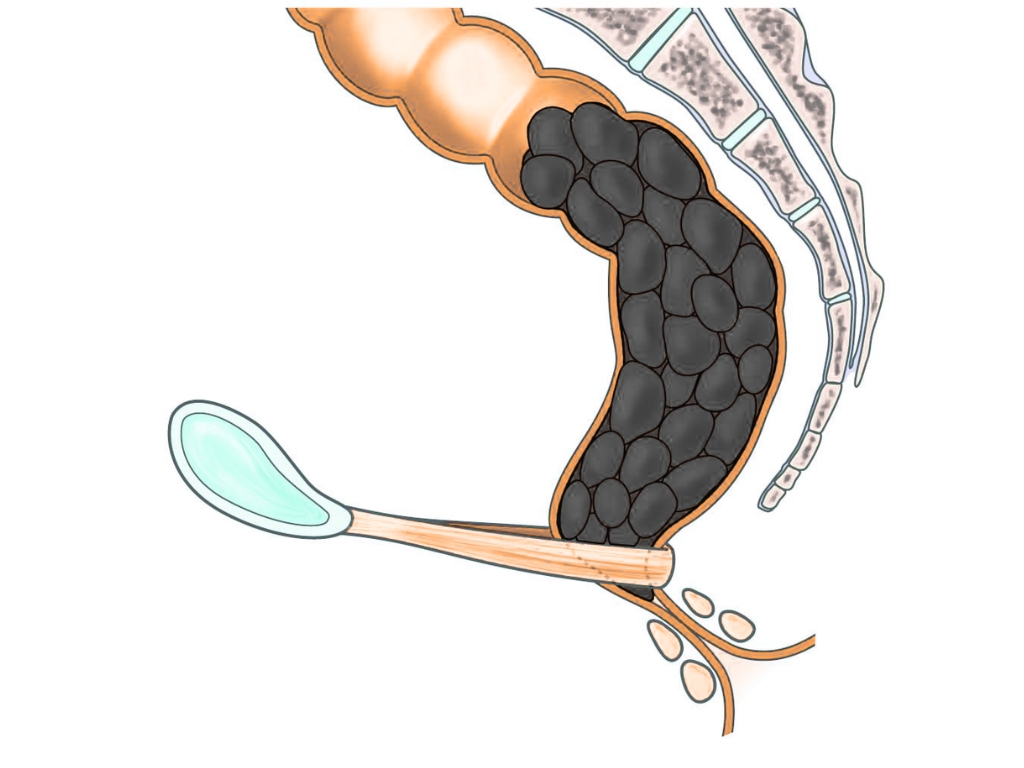
Chronic constipation is a particularly common contributing factor, as the repeated effort required to pass hard stools stretches and stresses the perianal skin in ways that can lead to localised tissue changes and excess skin formation.
Hard stools also increase the risk of haemorrhoids and anal fissures, both of which are themselves leading causes of skin tags, meaning that chronic straining often contributes to tag formation through multiple overlapping mechanisms1,3.
Addressing constipation through dietary changes, adequate hydration and, where necessary, medical management is therefore not only important for general bowel health but may reduce the risk of new tags developing following removal.
What Symptoms Do Anal Skin Tags Cause
While the tags themselves are benign, the symptoms they produce can be persistent and genuinely disruptive to daily life.
Common symptoms include:
- Persistent itching or irritation around the anal area
- Difficulty cleaning the area thoroughly after a bowel movement
- Discomfort or soreness during wiping
- Swelling or heaviness following bowel movements
- Friction and chafing during everyday activity
- Self-consciousness or distress, particularly in intimate situations10.
For many people, it is the combination of these symptoms, rather than any single one, that makes the condition worth addressing. Anal skin tags do not resolve on their own, and symptoms tend to persist or worsen over time without treatment.
When Is Removal Appropriate
Not every anal skin tag requires treatment. Small, asymptomatic tags that are not causing discomfort or affecting quality of life can be monitored without intervention.
However, removal is appropriate where tags are causing persistent or worsening symptoms and where any underlying conditions have been identified and appropriately managed1.
Removal may be particularly appropriate where there is persistent itching or irritation that does not settle with conservative measures, repeated inflammation or soreness, significant hygiene difficulty, ongoing friction or discomfort during everyday activity, or psychological distress or self-consciousness that is affecting wellbeing and relationships10.
A thorough clinical assessment before any procedure is essential to confirm the diagnosis, exclude other perianal conditions that may look similar on self-examination, identify any underlying causes that require concurrent treatment, and ensure the most appropriate removal method is selected for the individual11.
How Anal Skin Tags Are Removed
Surgical excision under local anaesthetic is the most common and reliable method of anal skin tag removal in an outpatient setting.
The tag is removed at its base, the wound is managed appropriately for its size and location, and the tissue is typically sent for histological examination to confirm its benign nature12. The procedure is well tolerated by the majority of patients, takes only a matter of minutes, and requires no hospital admission or general anaesthetic for most straightforward cases.
Multiple tags can usually be addressed in a single procedure where appropriate. And most people return to normal activities within a few days, with some discomfort and the need for careful wound hygiene expected during the healing period12.
Recovery is typically uncomplicated, and the relief from the itching, hygiene difficulty and discomfort that prompted treatment is immediate for most patients once healing is complete.
Anal Skin Tag Assessment and Removal at The Health Suite Leicester
If anal skin tags have been causing you discomfort, hygiene difficulty or self-consciousness, assessment and treatment by a specialist provides both the clinical clarity and the solution you need. At The Health Suite Leicester, we offer private assessment and safe removal of anal skin tags in a discreet, professional setting.
We take a thorough clinical history, perform a careful examination to confirm the diagnosis and identify any underlying conditions, and recommend the most appropriate course of treatment for your individual circumstances. Where removal is indicated, this is carried out as a straightforward outpatient procedure under local anaesthetic, with careful follow-up to support uncomplicated healing.
There is no reason to continue managing this condition without help. Treatment is safe, effective and carried out with complete discretion.
Book Your Anal Skin Tag Consultation Today
Find out more about anal skin tag assessment and removal at The Health Suite Leicester by booking your consultation today:

Anal Skin Tag Removal
Private Anal Skin Tag Removal in Leicester. Discreet, consultant-led minor surgery under local anaesthetic to restore comfort and hygiene.