
Paediatric ECG (Electrocardiogram) in Leicester
Treatment options and pricing
Browse and click below to book any of our available services.
Search services
Paediatric ECG
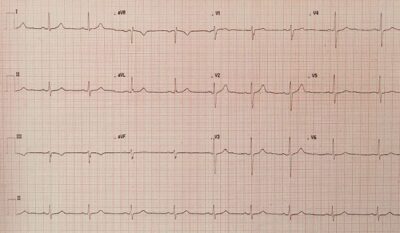
Paediatric ECG records a child’s heart activity, helping detect rhythm issues, congenital defects, or other cardiac concerns in a non-invasive way.
No matching items found.
Fast and Efficient Private ECGs for Children at The Health Suite Leicester
At The Health Suite in Leicester, we provide paediatric ECG (electrocardiogram) testing in a calm, supportive environment. Whether your child has been referred for further assessment or you are seeking reassurance about heart-related symptoms, our team offers professional, efficient ECG testing tailored to young patients.
This service is suitable for children aged 5-17 years of age.
Please note: If you are concerned about your child’s health, an ECG should not replace a full medical review. At The Health Suite Leicester, we can offer both diagnostic testing and clinical consultations, ensuring your child receives the most appropriate care.
What is a Paediatric ECG?
A paediatric ECG is a simple, non-invasive test that records the electrical activity of a child’s heart. It helps identify abnormalities in heart rhythm, rate, and overall function. ECGs are commonly used to investigate symptoms such as:
- Chest pain
- Palpitations
- Dizziness or fainting
- Tiredness or shortness of breath
- They may also be recommended before surgery, anaesthesia, or for children starting high-level sports.
The test is completely painless, takes around 10 to 15 minutes, and results are interpreted promptly by experienced clinicians, with paediatric cardiology input available if needed.
When Might an ECG Be Recommended for a Child?
- Unexplained fainting or blackouts
- Heart murmurs or suspected congenital conditions
- Pre-surgical assessment
- Family history of cardiac disorders
- Symptoms such as a rapid heartbeat or chest discomfort
- Monitoring side effects of medication
- Pre-participation clearance for competitive sport
What to Expect During the Appointment
- Your child will be welcomed by our friendly clinical team and taken to a private room.
- Small adhesive electrodes will be placed on the chest, arms, and legs to record heart activity.
- The test takes just a few minutes and does not involve any discomfort.
- You are welcome to stay with your child throughout the procedure.
- A full report is provided and can be discussed with your clinician or forwarded for onward care if needed.
Book Your Appointment
Appointments can be booked directly online or by phone. No referral is required, although we welcome referrals from GPs, consultants, and other healthcare providers.
Call us on 0116 241 0010, or Book Online. If you are unsure whether an ECG is appropriate, we are happy to advise or arrange a medical consultation first.
What we treat
At The Health Suite Leicester, our private medical clinic offers expert care whenever you need it. Our team of experienced GPs and healthcare professionals provide personalised diagnosis and treatment for a wide range of medical conditions, ensuring high-quality, professional care in a comfortable setting.
Click below to view useful info on a few of the common conditions we treat:
-
Heart rhythm abnormalities
Detect unusual cardiac patterns. This non-invasive test monitors for conditions like tachycardia, bradycardia, or complex arrhythmias that may be explaining your child's sudden dizziness or fluttering palpitations.
-
Electrical activity assessment
Capture a precise live snapshot of the heart's natural electrical signaling. Our clinicians analyse the data to identify underlying conduction delays, blockages, or subtle structural abnormalities.
-
Symptom‑linked investigation
Investigate worrying cardiac-related symptoms safely. We evaluate unexplained childhood chest pain, sudden near-fainting or blackouts, and persistent breathlessness or tiredness during activity.
-
Pre‑screening for procedures or sports
Ensure absolute safety before major physical stressors. We check heart function and baseline safety metrics prior to your child undergoing general anaesthesia, surgery, or starting high-level sports.
-
Reassurance and baseline data
Establish clear baseline records for ongoing clinical care. If a routine medical exam identifies a heart murmur, our prompt testing clarifies the rhythm to offer peace of mind to anxious families.
-
many more
Our clinicians manage a broad spectrum of conditions, and individual assessment allows us to tailor care beyond the examples listed. We encourage you to book a consultation to discuss your symptoms and appropriate treatment options.
Symptom checker
If you are experiencing any of these symptoms, please book an appointment with us. Symptoms can vary from person to person and from condition to condition. A proper diagnosis can only be made through a thorough medical examination.
Our clinicians will carry out a full assessment to ensure an accurate diagnosis and appropriate care.
-
Does your child experience chest pain or discomfort?
Chest pain in a child can sometimes relate to heart rhythm or electrical activity issues. A paediatric ECG records the heart’s electrical signals to help assess whether symptoms are linked to a cardiac cause.
-
Is your child having palpitations or irregular heartbeat?
Fluttering, skipping or racing heartbeats may indicate rhythm abnormalities. A paediatric ECG detects these patterns and guides further evaluation.
-
Has your child felt dizzy, fainted, or had near‑fainting episodes?
Dizziness or fainting can sometimes be caused by heart rhythm changes. ECG testing helps check if the electrical activity of the heart is contributing to symptoms.
-
Is your child unusually tired or short of breath during activity?
Persistent fatigue or breathlessness on exertion might be linked to an underlying heart issue. A paediatric ECG assesses the heart rhythm and function to investigate these signs.
-
Does your child have a murmur or abnormal heart findings on exam?
If a clinician hears an abnormal heartbeat or murmur, an ECG can help clarify whether the rhythm or electrical activity needs further investigation.
-
Is an ECG required before surgery, anaesthesia or sports participation?
Pre‑procedure or pre‑sports screening ECGs provide reassurance about heart rhythm and function before exposing the child to stressors like anaesthesia or competitive athletics.
Why choose The Health Suite for Paediatric ECG (Electrocardiogram)?
Choose The Health Suite Leicester for expert, personalised healthcare, fast access to specialists, advanced diagnostics and exceptional patient care.
-
Clinical Expertise with a Personal Approach
Our team at The Health Suite Leicester are highly experienced in working with children and families, creating a reassuring and professional atmosphere for your child’s test.
-
Fast Access and Timely Reporting
We offer short-notice bookings and rapid result turnaround. Where clinically appropriate, we can arrange a paediatric cardiology review or follow-up.
-
A Modern, Convenient Setting in Leicester
Located in the heart of Leicester, The Health Suite offers easy access, free parking, and a well-equipped private clinic with minimal waiting times.
Advice from the experts
Read clear, expert advice from our clinicians, offering trusted advice, clinical insight, and practical guidance to help you understand your treatment and care options.
Have a query about Paediatric ECG (Electrocardiogram) at The Health Suite Leicester?
We recognise that getting the healthcare assistance you need can be difficult. So if you have a query, feel free to contact us and one of our treatment co-ordinators will be happy to help. We aim to reply to all queries within 24 hours (Mon – Fri).
Meet our Paediatric ECG (Electrocardiogram) Clinicians
Meet our dedicated team at The Health Suite Leicester, where skilled professionals are committed to providing exceptional care tailored to your medical and wellness needs.

Louise Frowen
Clinical Health Care Assistant
Common Q&A about Paediatric ECG (Electrocardiogram)
Our FAQ section is designed to address common questions you may have, from how our treatments work to what you can expect during and after your session.
Our team is always available to provide additional support if you need more personalised guidance, ensuring that you feel informed and confident every step of the way.
You may also be interested in the following

ECG (Electrocardiogram)
Private adult resting ECG testing in Leicester. Fast, painless heart rhythm checks with an expert clinical report ready within 24 working hours.

24 Hour ECG Test
Private 24-hour ambulatory ECG testing in Leicester. Monitor your heart rhythm naturally during daily activities with rapid, expert analysis