What Is Maderotherapy and How It Can Transform Your Body Naturally
- Published:
- Last medically reviewed:
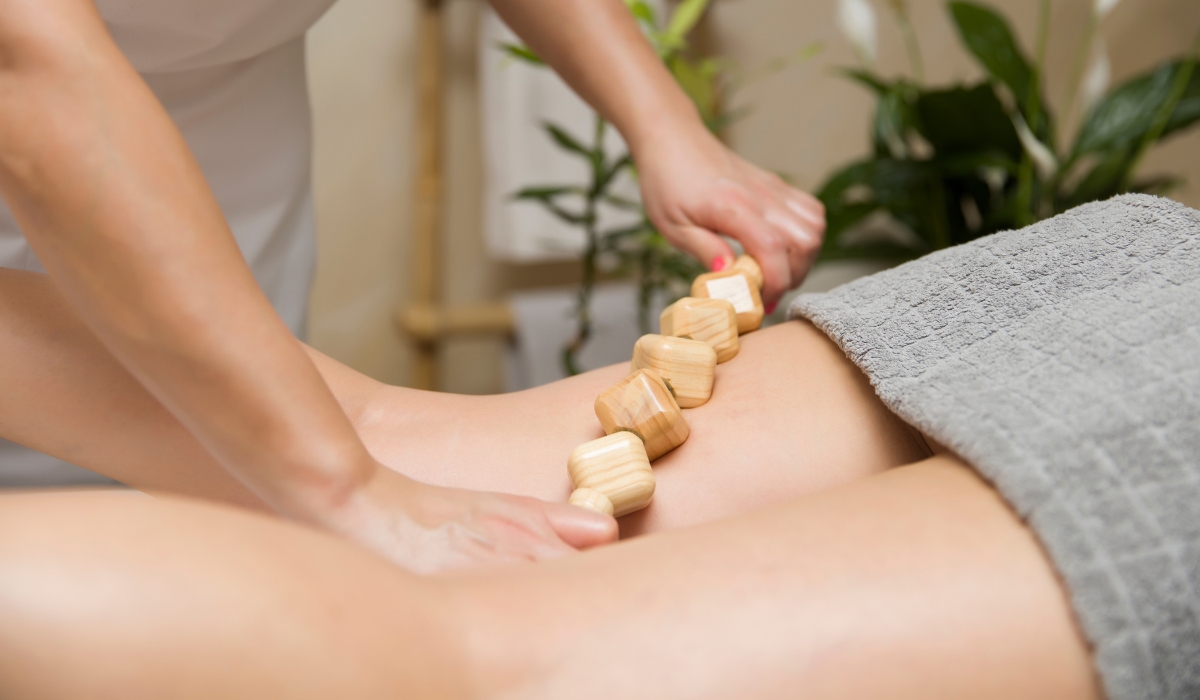
Maderotherapy, sometimes written as Madero therapy or wood therapy, is a bodywork technique that uses specially shaped wooden instruments to apply targeted pressure and movement across the body’s soft tissues. The name comes from the Spanish word for wood, madera, reflecting the technique’s Latin American origins, where it has been practised for decades as both a therapeutic and aesthetic treatment.1
In recent years, maderotherapy has moved steadily into the mainstream of body contouring and wellness practice in the UK and Europe, attracting interest from people seeking a non-invasive, natural alternative to more aggressive body sculpting procedures. The treatment is used to address a range of concerns, including localised fat deposits, cellulite, poor skin tone, fluid retention and muscular tension, and is increasingly offered alongside clinical treatments as part of a broader wellness and body care programme.2
Understanding what maderotherapy actually involves, how it works physiologically, what the evidence says and who is most likely to benefit provides the foundation for an informed decision about whether it might be the right treatment for you.
The Origins and Principles of Maderotherapy
Maderotherapy draws on a long tradition of using physical manipulation of the soft tissues to improve circulation, drainage and tissue quality. Its modern form developed in Colombia and other parts of Latin America, where practitioners refined a system of wooden tools, each designed for a specific anatomical region and therapeutic purpose, to deliver deep, targeted pressure in a way that manual massage alone cannot replicate. 1,3
The tools themselves vary in shape and size depending on their intended application. Rollers of different diameters are used to break down fatty deposits and stimulate circulation across larger areas such as the thighs, abdomen and buttocks. Smaller, more precisely shaped instruments are used to work into contours around the waist, hips and arms. Cupping-style wooden cups create suction effects on the skin and superficial fascia, while flatter boards and wedges apply broad compressive pressure across muscle groups. 3
The underlying principles of maderotherapy align closely with those of other established bodywork techniques, including deep tissue massage, myofascial release and manual lymphatic drainage. The mechanical pressure applied by the wooden instruments is thought to stimulate lymphatic flow, improve local circulation, break down fibrous adhesions in the connective tissue and encourage the redistribution of localised fat deposits. 4
The use of wood rather than the hands allows significantly greater and more consistent pressure to be applied over a sustained period, which practitioners argue produces more pronounced effects than manual massage alone.
How Maderotherapy Works in Practice
The physiological effects of maderotherapy operate through several interconnected mechanisms, each of which contributes to the overall therapeutic and aesthetic outcomes associated with the treatment. Lymphatic stimulation is one of the most important. As discussed in relation to manual lymphatic drainage, the lymphatic system plays a central role in fluid balance, waste clearance and immune function, and its efficiency depends on physical stimulation to drive lymphatic flow. 5
The rolling and compressive movements used in maderotherapy stimulate the superficial lymphatic vessels in the skin and subcutaneous tissue, encouraging the drainage of excess interstitial fluid and the clearance of metabolic waste products from the treated area. 4,5
For people experiencing fluid retention, post-surgical swelling or the kind of general puffiness that reflects suboptimal lymphatic drainage, this effect can produce noticeable improvements in tissue quality and body contour. Improved local circulation is a related and equally important mechanism. The mechanical pressure applied by the wooden instruments increases blood flow to the treated area, delivering oxygen and nutrients to the tissues and supporting the removal of waste products. 6
Enhanced circulation also contributes to improved skin tone and texture over time, as well-oxygenated, well-nourished skin produces collagen and elastin more effectively than poorly perfused tissue.
The effect on cellulite is one of the most commonly cited reasons people seek maderotherapy. Cellulite, which affects an estimated 80–90% of post-pubertal women to some degree, results from the herniation of subcutaneous fat through the fibrous connective tissue septa that anchor the skin to the underlying fascia, producing the characteristic dimpled appearance. 7
The compressive and rolling movements of maderotherapy are thought to mechanically disrupt these fibrous septa, redistribute the underlying fat more evenly and improve the circulation and lymphatic drainage of the affected area, all of which contribute to a reduction in the appearance of cellulite over a course of treatment. 7,8
Myofascial release is another mechanism through which maderotherapy produces its effects. The fascia, the connective tissue network that surrounds and connects muscles, organs and other structures throughout the body, can become restricted, thickened or adhered following injury, surgery, prolonged immobility or chronic postural tension. 9
The sustained, directional pressure of maderotherapy instruments can help to release these fascial restrictions, improving tissue mobility, reducing muscular tension and restoring more normal movement patterns in the treated area.
What the Evidence Shows For Maderotherapy Use
Maderotherapy sits within the broader category of mechanical massage and bodywork therapies. While the specific evidence base for wooden instrument techniques is still developing, it draws on a well-established body of research supporting the physiological effects of mechanical tissue manipulation more broadly.
A systematic review published in the Journal of Cosmetic Dermatology found that regular application of targeted mechanical pressure to affected areas produced statistically significant reductions in thigh circumference, improvements in skin surface texture and increased microcirculation in the treated tissue, with effects sustained at eight-week follow-up. 8
The mechanisms identified, disruption of fibrous septa, improved lymphatic drainage and enhanced local circulation, are the same mechanisms through which maderotherapy is understood to work. Research examining the effects of deep mechanical massage on subcutaneous adipose tissue has found that sustained compressive pressure applied to localised fat deposits can disrupt adipocyte clustering and encourage the mobilisation of stored lipids, providing a physiological basis for the body contouring effects reported by practitioners and patients. 10
These effects are enhanced when treatment is combined with adequate hydration, regular physical activity and a balanced diet, all of which support the body’s ability to process and eliminate mobilised fat and fluid. In the context of post-surgical recovery, mechanical bodywork, including maderotherapy-style techniques, has demonstrated benefit in reducing fibrosis, improving tissue mobility and accelerating the resolution of post-operative oedema, particularly following liposuction and abdominoplasty, where the disruption of lymphatic vessels during surgery can significantly impair local drainage. 11
In fact, a clinical study published in Aesthetic Surgery Journal found that patients who received structured mechanical massage in the weeks following surgery achieved significantly faster resolution of oedema and fibrosis, better skin retraction and higher patient satisfaction scores compared with those who received standard post-operative care without massage. 11
What to Expect from a Maderotherapy Session
A maderotherapy session typically begins with a consultation to discuss the individual’s goals, health history and any areas of specific concern. The treatment itself is performed with the client lying on a treatment table, with the therapist applying the wooden instruments using a combination of rolling, kneading, compressive and suction movements across the targeted areas. 3
The sensation during treatment varies depending on the area being worked and the pressure applied. Most people describe it as firm and deeply satisfying, similar to a strong massage, though areas with significant fluid retention, fascial restriction or cellulite may feel more sensitive initially, with comfort typically improving as the treatment progresses and the tissue responds. Sessions typically last between 45 and 60 minutes for a full body treatment, or 30 minutes for a focused area. A course of treatment rather than a single session is recommended to achieve meaningful and lasting results, with most practitioners suggesting an initial course of six to ten sessions, ideally scheduled one to two times per week, followed by maintenance treatments to sustain the benefits achieved. 2,3
Results are typically most noticeable in terms of reduced puffiness and improved tissue tone within the first few sessions, with more significant changes in body contour, cellulite appearance and skin quality becoming apparent over the course of a full treatment programme. Individual results vary depending on starting point, lifestyle factors and consistency of treatment.
Staying well hydrated before and after sessions supports the lymphatic and circulatory effects of the treatment, as does light physical activity in the hours following a session. Combining maderotherapy with a balanced diet, regular exercise and adequate sleep maximises the physiological benefits and helps to sustain results over time.
Who Can Benefit from Maderotherapy
Maderotherapy has a broad range of applications and suits a wide variety of people and goals. People seeking to improve the appearance of cellulite, particularly on the thighs, buttocks and abdomen, represent one of the most common groups seeking the treatment, and the evidence supports its use as part of a structured approach to cellulite management. 7,8
People experiencing fluid retention, general puffiness or suboptimal lymphatic drainage, whether as a result of a sedentary lifestyle, prolonged travel, hormonal changes or other factors, may find that maderotherapy produces rapid and noticeable improvements in tissue quality and body contour through its lymphatic stimulation effects. 4,5
People recovering from liposuction, abdominoplasty or other body contouring procedures are increasingly referred for maderotherapy as part of their post-operative care, to reduce fibrosis, improve skin retraction and accelerate the resolution of swelling. 11
People with muscular tension, fascial restrictions or areas of chronic tightness may benefit from the myofascial release effects of the wooden instrument techniques, particularly in areas that are difficult to access effectively through manual massage alone. 9
People who simply want to feel better in their body, support their circulation and lymphatic system, and invest in a treatment that combines genuine physiological benefit with a deeply relaxing physical experience, will also find maderotherapy a valuable addition to their wellness routine.