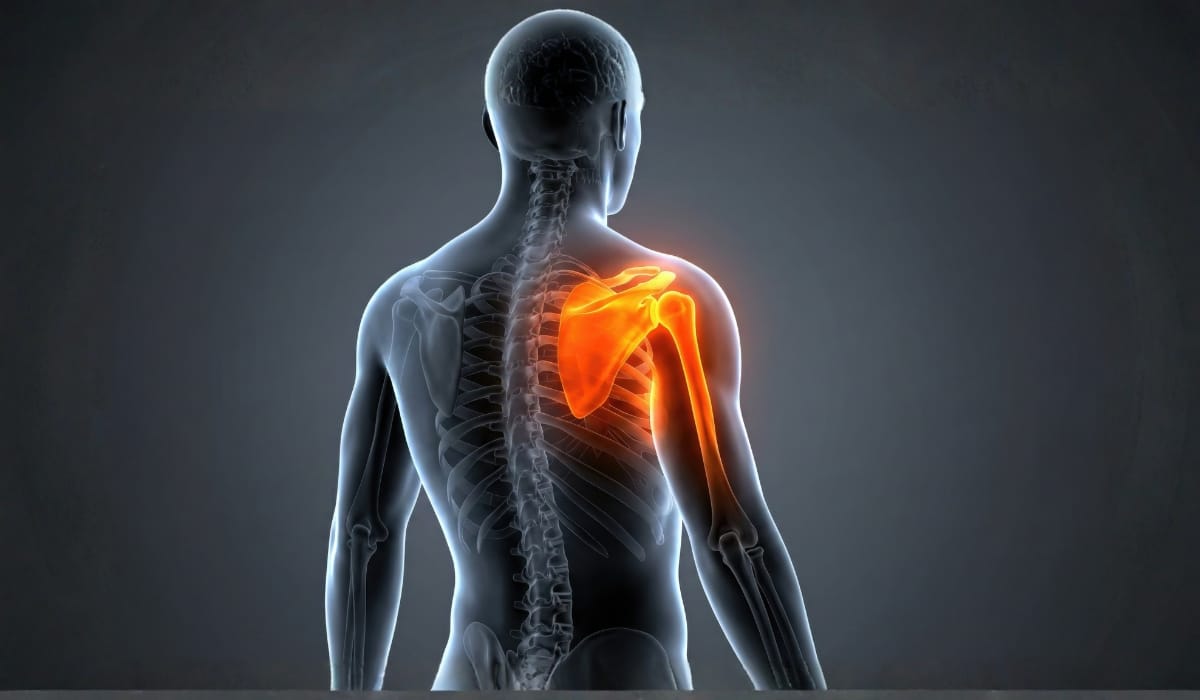
Shoulder Hydrodilatation in Leicester
Ultrasound-Guided Treatment for Frozen Shoulder (Adhesive Capsulitis). Delivered by an Advanced Practice Physiotherapist at The Health Suite Leicester
Frozen shoulder can be intensely painful and stubbornly stiff, affecting sleep, work, driving, and everyday tasks. At The Health Suite, Leicester, we offer ultrasound-guided shoulder hydrodilatation (also known as hydrodistension or high-volume injection) to help reduce pain and improve shoulder movement, supported by a structured physiotherapy plan.
Book an initial appointment to confirm whether hydrodilatation is appropriate for your shoulder and stage of symptoms.
What is Shoulder Hydrodilatation?
Hydrodilatation is a minimally invasive procedure designed for frozen shoulder (adhesive capsulitis). Under real-time ultrasound guidance, a fine needle is placed accurately into the shoulder joint and fluid is introduced to gently expand and stretch the tightened joint capsule.
The aim is to:
- Reduce capsular restriction
- Improve range of movement
- Make physiotherapy and stretching more effective
- Reduce pain so you can move the shoulder more comfortably
Ultrasound guidance improves precision by confirming the needle is in the correct position before the injection is delivered.
What is Frozen Shoulder (Adhesive Capsulitis)?
Frozen shoulder occurs when the capsule around the shoulder joint becomes inflamed, thickened and tight, leading to pain and a progressive loss of movement.
You may notice:
- Pain at night or when lying on the affected side
- Difficulty lifting the arm, reaching overhead, or reaching behind your back
- Stiffness that doesn’t respond as expected to rest or simple exercises
- Gradual loss of function over weeks to months
Frozen shoulder often develops in midlife and can be more common in people with conditions such as diabetes.
Book Shoulder Hydrodilatation in Leicester
If you suspect frozen shoulder or you’re struggling with stiffness that is not improving, we can assess you and advise whether hydrodilatation is appropriate.
Treatment options and pricing
Browse and click below to book any of our available services.
Search services
Physio Led Initial Consultation for Shoulder Hydrodilatation
Physio-led consultation assesses frozen shoulder, reviews symptoms, and plans ultrasound-guided hydrodilatation with a personalised rehab strategy.
Ultrasound-Guided Shoulder Hydrodilatation: Procedure Only
Ultrasound-guided shoulder hydrodilatation stretches the joint capsule, relieves frozen shoulder pain, and improves mobility safely and precisely.
No matching items found.
Ultrasound-Guided Shoulder Hydrodilatation at The Health Suite
What to Expect at Your Appointment
A guided shoulder injection procedure using fluid expansion to reduce stiffness, improve movement and support recovery from frozen shoulder.
-
Clinical Review
We confirm your symptoms, movement restriction, medical history and suitability for hydrodilatation.
-
Ultrasound Assessment
Where appropriate, ultrasound helps assess the shoulder and guide the procedure accurately.
-
The Procedure
- The skin is cleaned using a sterile technique
- A small amount of local anaesthetic may be used to improve comfort
- The injection is delivered into the joint under ultrasound guidance
- Fluid is introduced in a controlled manner to expand the capsule
You may feel pressure or a strong stretching sensation during the procedure. This is expected and usually settles quickly.
-
Immediate Aftercare Guidance
You’ll receive clear advice on movement, pacing, and what to do over the next 24–72 hours.
What we treat
At The Health Suite Leicester, our private medical clinic offers expert care whenever you need it. Our team of experienced GPs and healthcare professionals provide personalised diagnosis and treatment for a wide range of medical conditions, ensuring high-quality, professional care in a comfortable setting.
Click below to view useful info on a few of the common conditions we treat:
-
Adhesive Capsulitis (Frozen Shoulder)
Hydrodilatation targets the thickened, tight shoulder joint capsule that causes pain and restricted movement. A fluid injection gently stretches the capsule to improve mobility and reduce stiffness.
-
Severe Stiffness Limiting Daily Activities
When shoulder stiffness interferes with eating, dressing, or driving, hydrodilatation helps break up adhesions and widen the joint space, making daily tasks easier and less painful.
-
Shoulder Pain Not Responding to Conservative Care
If physical therapy, medication, or corticosteroid injections haven’t provided lasting relief, hydrodilatation offers a minimally invasive next‑step option to improve shoulder comfort and movement.
-
Loss of Shoulder Range of Motion
This procedure stretches the tight joint capsule that restricts mobility, often resulting in improved range of motion and flexibility when combined with follow‑up therapy.
-
Pain With Movement or at Rest
Hydrodilatation can relieve both pain during shoulder activity and discomfort at rest by reducing inflammation inside the joint and easing tight connective tissue.
-
many more
Our clinicians manage a broad spectrum of conditions, and individual assessment allows us to tailor care beyond the examples listed. We encourage you to book a consultation to discuss your symptoms and appropriate treatment options.
Symptom checker
If you are experiencing any of these symptoms, please book an appointment with us. Symptoms can vary from person to person and from condition to condition. A proper diagnosis can only be made through a thorough medical examination.
Our clinicians will carry out a full assessment to ensure an accurate diagnosis and appropriate care.
-
Do you have shoulder pain that doesn’t improve with rest or basic treatments?
Persistent shoulder pain that limits your comfort throughout the day may be more than a simple strain and could signal a deeper issue worth assessing.
-
Is your shoulder stiffness getting worse or staying the same over time?
Ongoing stiffness especially when reaching overhead, behind your back, or lifting objects can indicate adhesive capsulitis (“frozen shoulder”).
-
Has your range of shoulder movement become restricted?
Difficulty moving your shoulder in one or more directions despite stretching or physiotherapy is a key sign that hydrodilatation might help.
-
Are simple activities like dressing, washing, or driving becoming harder?
Reduced mobility and discomfort during everyday tasks can suggest a deeper issue like joint stiffness that could benefit from professional treatment.
-
Have other treatments (physio, NSAIDs, injections) not fully relieved your symptoms?
If pain, stiffness or movement limitations persist despite conservative care, hydrodilatation offers a minimally invasive treatment option.
-
Does your shoulder pain affect sleep or daily life?
Pain that interrupts sleep or everyday activities especially when lifting your arm or reaching across your body can be linked to conditions like frozen shoulder.
Why choose The Health Suite for Shoulder Hydrodilatation?
Choose The Health Suite Leicester for expert, personalised healthcare, fast access to specialists, advanced diagnostics and exceptional patient care.
-
Expert Physiotherapist-Led Care
Delivered by experienced physiotherapists, the treatment is personalised, combining precise injection technique with a structured rehab plan for optimal recovery.
-
Effective Pain & Mobility Relief
Hydrodilatation improves shoulder movement, eases discomfort, and enhances the success of physiotherapy, helping you return to daily activities faster.
-
Minimally Invasive Treatment
The procedure gently stretches the shoulder joint capsule under ultrasound guidance, avoiding surgery while effectively reducing stiffness and pain.
Advice from the experts
Read clear, expert advice from our clinicians, offering trusted advice, clinical insight, and practical guidance to help you understand your treatment and care options.

Have a query about Shoulder Hydrodilatation at The Health Suite Leicester?
We recognise that getting the healthcare assistance you need can be difficult. So if you have a query, feel free to contact us and one of our treatment co-ordinators will be happy to help. We aim to reply to all queries within 24 hours (Mon – Fri).
Meet our Shoulder Hydrodilatation Clinicians
Meet our dedicated team at The Health Suite Leicester, where skilled professionals are committed to providing exceptional care tailored to your medical and wellness needs.

Nur Mohammad
Musculoskeletal Practitioner / Physiotherapist
Common Q&A about Shoulder Hydrodilatation
Our FAQ section is designed to address common questions you may have, from how our treatments work to what you can expect during and after your session.
Our team is always available to provide additional support if you need more personalised guidance, ensuring that you feel informed and confident every step of the way.
You may also be interested in the following

Joint Injection Therapy
Private joint injection therapy in Leicester. Corticosteroid, PRP, and hyaluronic acid injections to safely reduce joint pain and inflammation.

Shoulder Pain Physiotherapy
Struggling with sharp shoulder pain, clicking, or limited overhead reach? Restore natural joint stability and movement with our expert Leicester physiotherapists.

Pain Clinic
Struggling with sciatica, arthritis, or chronic back pain? Access advanced joint injections and holistic therapies at our multidisciplinary Leicester clinic.