Sarcopenia after 60: measuring muscle loss before it costs you independence
- Published:
- Last medically reviewed:
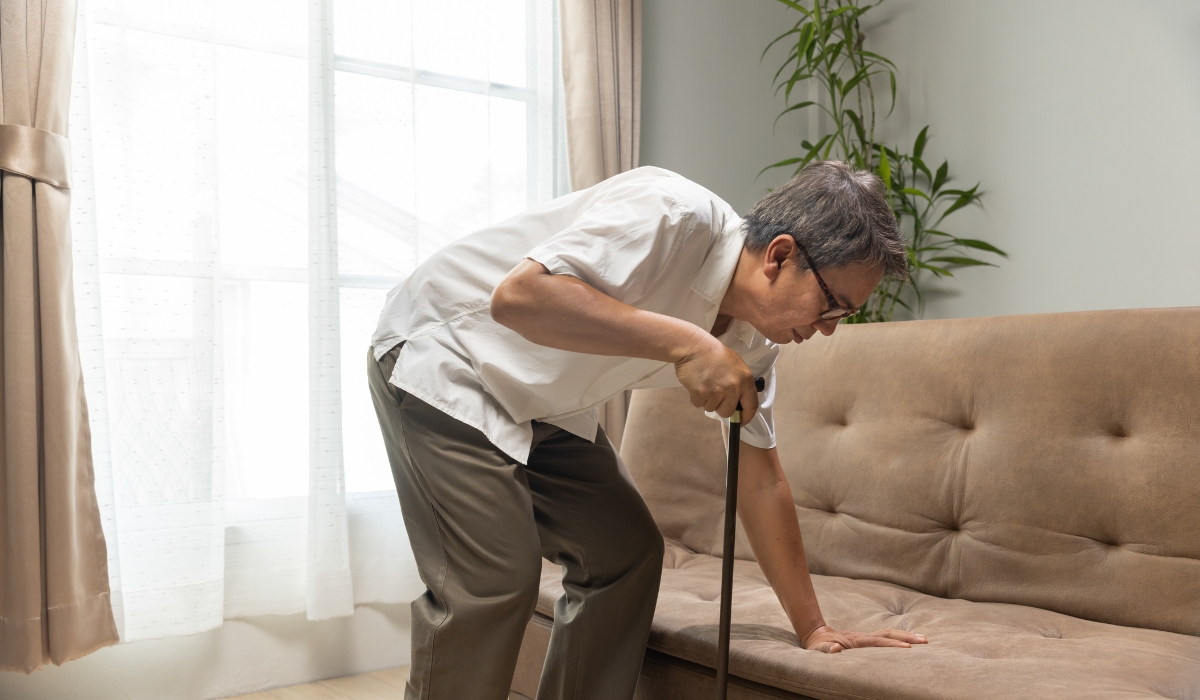
Muscle mass peaks somewhere in the thirties and declines slowly afterwards. From around 60 the rate increases, and it increases again after 70. The loss is invisible for a long time. Weight often stays the same, because fat replaces the muscle that has gone. Clothes still fit. Nothing hurts. The first noticeable sign is usually functional — a handrail becomes necessary, a suitcase becomes awkward, getting out of a low chair takes a push from the arms.
By that point a great deal has already been lost, and the losses are harder to reverse than they would have been ten years earlier.
What sarcopenia is
Sarcopenia is the age-related loss of muscle mass together with loss of strength or physical performance. It is a recognised clinical condition rather than an inevitable part of ageing, and its consequences are substantial: falls, fractures, longer recovery from illness and surgery, loss of metabolic health, and ultimately loss of independence.
Diagnosis under the revised European consensus (EWGSOP2) involves three components [1]:
- Strength, usually measured by grip strength or by how long it takes to rise from a chair five times.
- Muscle quantity, measured by scanning. The standard measure is appendicular lean mass — the lean tissue in the arms and legs — adjusted for height.
- Physical performance, such as walking speed, where severity is being assessed.
Low strength is the primary trigger for investigation. Confirmation requires measurement of muscle quantity [1].
Why weight and BMI miss it
Someone can lose several kilograms of muscle, gain a similar amount of fat, and weigh precisely the same. BMI will not change. The scales will not change.
This pattern — reduced muscle alongside excess fat — is common, and carries worse outcomes than either alone. It is entirely invisible to any measurement that only records total weight.
Muscle also declines unevenly. The legs typically lose more than the arms, and the fast-twitch fibres responsible for catching yourself when you stumble are lost preferentially. This is part of why falls become more likely before any obvious weakness appears.
How muscle mass is measured
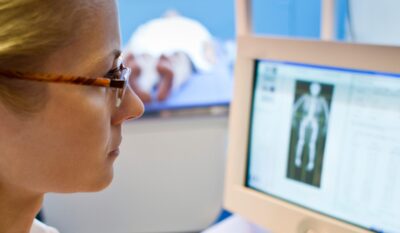
DEXA is the practical reference standard for measuring muscle quantity in clinical settings. A whole-body scan separates fat, lean tissue and bone in each region, and reports appendicular lean mass directly.
It takes 10 to 15 minutes, involves no injection, and uses a very low radiation dose. Because it is repeatable to within 1 to 2% for fat mass, change over six to twelve months is measurable rather than guessed at.
Bioimpedance can estimate muscle mass and is useful for tracking, though it is affected by hydration status, which becomes more variable with age and with medications such as diuretics [1].
A DEXA scan also reports bone density, which matters here because sarcopenia and osteoporosis frequently occur together. The combination — weak muscles and fragile bones — is what turns a stumble into a hip fracture.
What helps
- Resistance training. The evidence here is strong and it holds into advanced age [1,2]. Muscle remains responsive to progressive loading in the eighties and beyond. Two to three sessions a week working the major muscle groups produces measurable gains in both mass and strength, and the strength gains come first.
Walking, swimming and cycling are valuable for other reasons but do not provide sufficient stimulus to reverse muscle loss. - Protein. Requirements rise with age, because older muscle responds less readily to the same amount. Intake commonly falls at the same time, through smaller appetite, dental problems, or simply cooking less. Spreading protein across meals rather than concentrating it at dinner improves the response.
- Vitamin D deficiency is associated with muscle weakness and falls, and is common in the UK, particularly in those who are less mobile or less often outdoors.
- Treating what is driving it. Untreated thyroid disease, poorly controlled diabetes, chronic inflammatory conditions, low testosterone in men, and periods of illness or immobility all accelerate loss. Recovery after a hospital admission is a particularly high-risk period.
- Avoiding unnecessary weight loss. Weight loss in older adults removes muscle alongside fat. Where weight loss is appropriate, resistance training and adequate protein alongside it are not optional extras.
When to measure
There is no screening programme for sarcopenia and no routine measurement in most care. Measuring is worth considering if:
- You are over 60 and have never had muscle mass measured
- You have noticed a change in strength, grip, or getting out of chairs
- You have had a fall, or feel less steady
- You have lost weight without intending to
- You are recovering from a hospital admission or a period of immobility
- You are losing weight deliberately, including on medication
- You have osteopenia or osteoporosis, given how often the two travel together
A baseline is more useful the earlier it is taken, because it makes the next measurement interpretable.
Measuring at The Health Suite
Our DEXA body composition scan reports appendicular lean mass, regional muscle and fat distribution, visceral fat and bone mineral content, at our Leicester clinic, reported by a consultant radiologist. Bone density with trabecular bone score can be done in the same appointment.
DEXA Bone Density Scan
Precise DEXA bone density scanning in Leicester. Measure fracture risk, T-scores, and Trabecular Bone Score (TBS) with radiologist reporting.