Iron Infusion: When You Need One, and What to Expect
- Published:
- Last medically reviewed:
An iron infusion delivers iron directly into the bloodstream through a drip, bypassing the digestive system entirely. It is a standard, guideline-supported treatment for iron deficiency, and for the right patient it works faster and more reliably than iron tablets. It is not, however, the right starting point for everyone with low iron, and it is not a treatment for tiredness in isolation. This guide covers what an iron infusion involves, when it is clinically indicated, what the side effects are, and how long it takes to work.
What Is an Iron Infusion?
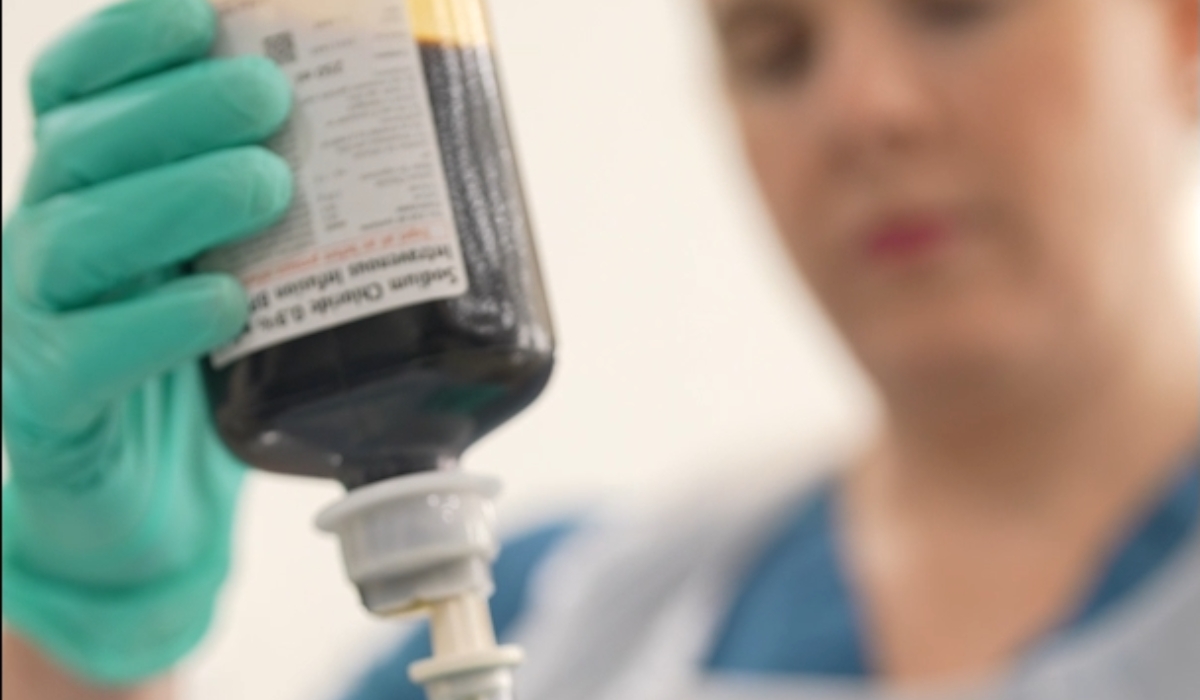
An iron infusion, also called IV iron, is a sterile iron preparation given through a small cannula placed in a vein, usually in the arm or the back of the hand. The infusion itself typically runs over twenty to thirty minutes, followed by a period of observation before you go home. The point of giving iron this way is that it bypasses the gut. Oral absorption is tightly regulated: the intestine will only take up so much at once, and beyond that ceiling, swallowing more tablets adds little. Chronic systemic inflammation lowers the ceiling further. It prompts the liver to release a hormone called hepcidin, which effectively shuts the gate that lets absorbed iron cross from the gut lining into the bloodstream so iron can stay low in the body even when there is plenty of it in the diet. An infusion sidesteps all of that and delivers a calculated dose straight into the circulation.1
That difference matters when absorption is impaired, when tablets have already been tried and failed, or when iron stores need to be restored quickly. Where absorption is intact and there is no urgency, oral iron remains the correct first step.
IV Iron vs Iron Tablets
Oral iron is a first-line treatment and works well for a large proportion of people. Where it does not, the difference is measurable: meta-analysis of randomised trials found that intravenous iron produced significantly greater improvements in haemoglobin and ferritin than oral iron, alongside lower rates of gastrointestinal side effects.2
The practical trade-off is straightforward. Tablets are cheap, self-administered and slow, and around a third of people cannot tolerate a full course. An infusion is a clinical appointment with a small procedural risk attached, but it delivers a full replacement dose in one or two visits and does not depend on the gut working properly.
When Is an Iron Infusion Needed?
Iron infusions are indicated in defined circumstances rather than on request:
- Gastrointestinal intolerance of oral iron, where nausea, constipation or abdominal pain make a full course unachievable
- An inadequate response to a completed and correctly taken course of iron tablets
- Malabsorption, including inflammatory bowel disease, coeliac disease, atrophic gastritis and post-bariatric surgery anatomy
- Ongoing losses that outpace oral replacement, most commonly heavy menstrual bleeding
- A need for rapid repletion, such as pre-operative optimisation, or a deficit too large to close orally within a sensible timeframe3
Two limits are worth stating plainly. Iron infusions treat iron deficiency; they do not treat anaemia from other causes, which must be excluded first. And correcting the number does not explain it. Establishing why iron is low, whether that is menstrual loss, diet, malabsorption or gastrointestinal bleeding, is part of the treatment rather than an optional extra.
Diagnosis is confirmed on blood testing before any infusion is booked, including full blood count, ferritin, transferrin saturation and an inflammatory marker, since inflammation can raise ferritin and mask true deficiency. The tests required, and when to repeat them, are set out here: blood tests before an iron infusion.
Which Iron Preparation Is Used, and Why
Intravenous iron is not a single product. Available preparations differ in licensing, maximum single dose, infusion time and monitoring requirements.
At The Health Suite Leicester, adults are treated primarily with Monofer (ferric derisomaltose). It can often deliver a full replacement dose in a single infusion depending on weight and calculated deficit, and it carries a substantially lower risk of hypophosphataemia than ferric carboxymaltose: in two randomised trials, low phosphate occurred in 74.4 per cent of patients given ferric carboxymaltose compared with 8.0 per cent given ferric derisomaltose. Because low phosphate is itself a cause of fatigue, that gap matters in practice, not just on paper.4,5
Young people aged 14 to 18 are treated on a separate pathway using Ferinject, reflecting licensing and established paediatric practice. The full comparison is here: why we use different IV iron options for adults and young people.
Iron Infusion Side Effects
Most people tolerate an iron infusion well, but it is an invasive procedure and the risks are real rather than theoretical. Common and usually short-lived effects include headache, nausea, a metallic taste during the infusion, and discomfort or bruising at the cannula site. Some people experience a transient flu-like reaction within the first day or two, with muscle or joint aches and a mild temperature, which settles without treatment.
Less commonly, iron can leak into the surrounding tissue if the cannula is not correctly sited, which may leave persistent brown skin staining. This is uncommon, but it is permanent, which is why the cannula is checked before and during the infusion. Low phosphate can follow an infusion, more often with some preparations than others, and typically presents as fatigue in the weeks afterwards rather than anything dramatic. Rarely, serious hypersensitivity reactions occur, which is why infusions are given in a setting equipped to manage them and why you are observed after treatment rather than sent straight out.
Iron infusions are also not suitable during pregnancy, where care should remain with the midwifery or obstetric team, or for people under 18, who are seen on the young people’s pathway. They are unsuitable where there has been a previous serious hypersensitivity reaction to intravenous iron, in known iron overload including haemochromatosis, in anaemia not caused by iron deficiency, during active infection, or in decompensated liver disease.
How Long Does an Iron Infusion Take to Work?
Allow around an hour to ninety minutes for the appointment. The infusion itself usually runs for twenty to thirty minutes, with an observation period afterwards.
The response is gradual rather than immediate. Haemoglobin generally begins to rise within a week or two and continues over the following month. Improvements in energy, concentration and exercise tolerance tend to follow the haemoglobin rather than lead it, so most people notice a difference across the second to fourth week rather than the same evening.
Follow-up testing is timed deliberately. Ferritin is artificially elevated for several weeks after an infusion, so repeating it too early gives a falsely reassuring result. Retesting at the right interval is what confirms the treatment achieved what it was meant to achieve.
When an Iron Infusion Is Not the Answer
Generalised fatigue, feeling run down, or wanting a general boost are not indications for an iron infusion. They are reasons to be assessed. If iron studies are normal, an infusion will not help, and we will say so rather than infuse anyway.
Wellness and hydration infusions are a separate service with a separate rationale and are described here: IV vitamin drips at The Health Suite.
Iron Infusions at The Health Suite
Every patient has iron deficiency confirmed on blood testing before treatment is booked. Doses are calculated individually against weight and measured deficit rather than sold as a fixed package. Infusions are delivered in a fully equipped medical environment by clinicians trained to manage hypersensitivity reactions, with monitoring during and after treatment, and follow-up testing arranged at an appropriate interval.
- Adults aged 18 and over: book an assessment for intravenous iron in Leicester.
- Young people aged 14 to 18: the specialist-led paediatric iron pathway.
- Background reading for parents: iron deficiency in teenagers – causes, symptoms and treatment options.
Frequently Asked Questions
Book Iron Infusions at The Health Suite

Intravenous Iron Infusions for Adults (18+)
Fast, doctor-led intravenous therapy to treat severe iron deficiency, anaemia, and chronic exhaustion.

Intravenous Iron Infusions for Young People (Ages 14–18)
Doctor-led IV therapy to correct teenage iron deficiency, heavy period fatigue, and anaemia.