The Galleri®Test: its history, the NHS trial, and how to access it privately in the UK
- Published:
- Last medically reviewed:
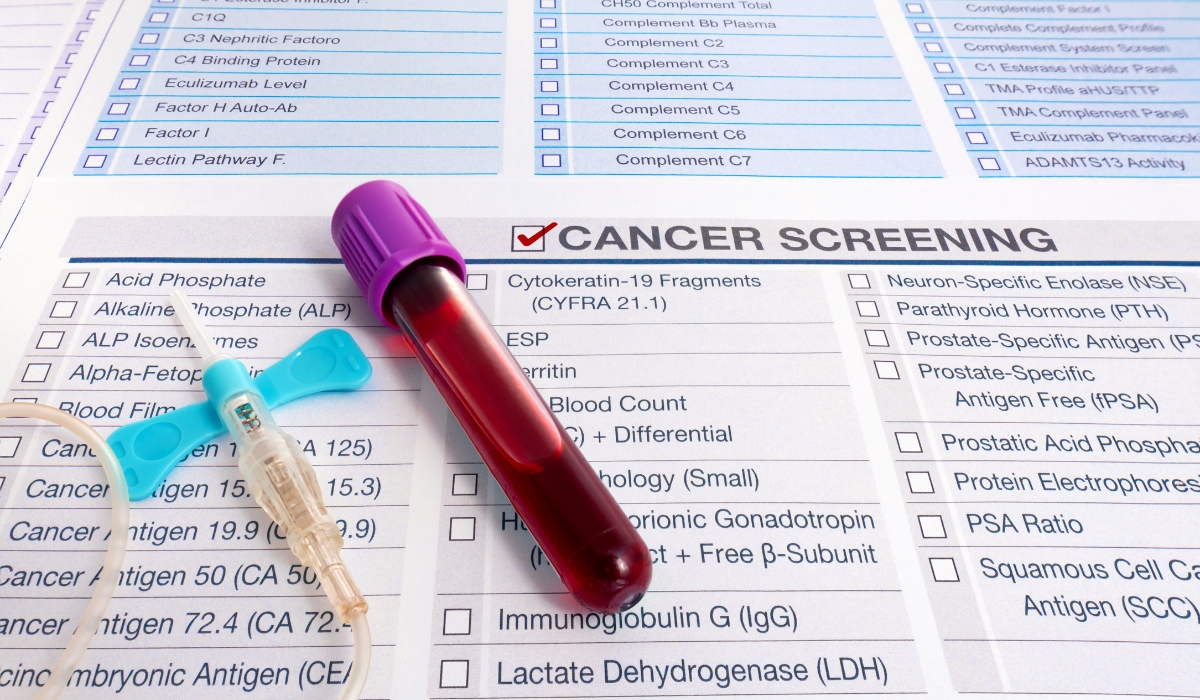
The Galleri® test can screen for a signal shared by more than 50 cancers from a single blood sample. Here is where it came from, how it entered the NHS as a landmark trial, and how you can access the Galleri®test privately in the UK today.
-
What is the Galleri® test?
The Galleri® test is a multi-cancer early detection (MCED) blood test developed by the healthcare company GRAIL. Instead of looking for one cancer at a time, it analyses the cell-free DNA that cells — including cancer cells — shed into the bloodstream, and reads the methylation patterns on that DNA. Those patterns act like a fingerprint: they can reveal whether a cancer signal is present and, if so, predict where in the body the signal is likely to have come from.
Its significance is that most of the cancers it can detect have no national screening programme in the UK. It is designed to sit alongside — not replace — established checks such as breast, cervical and bowel screening.
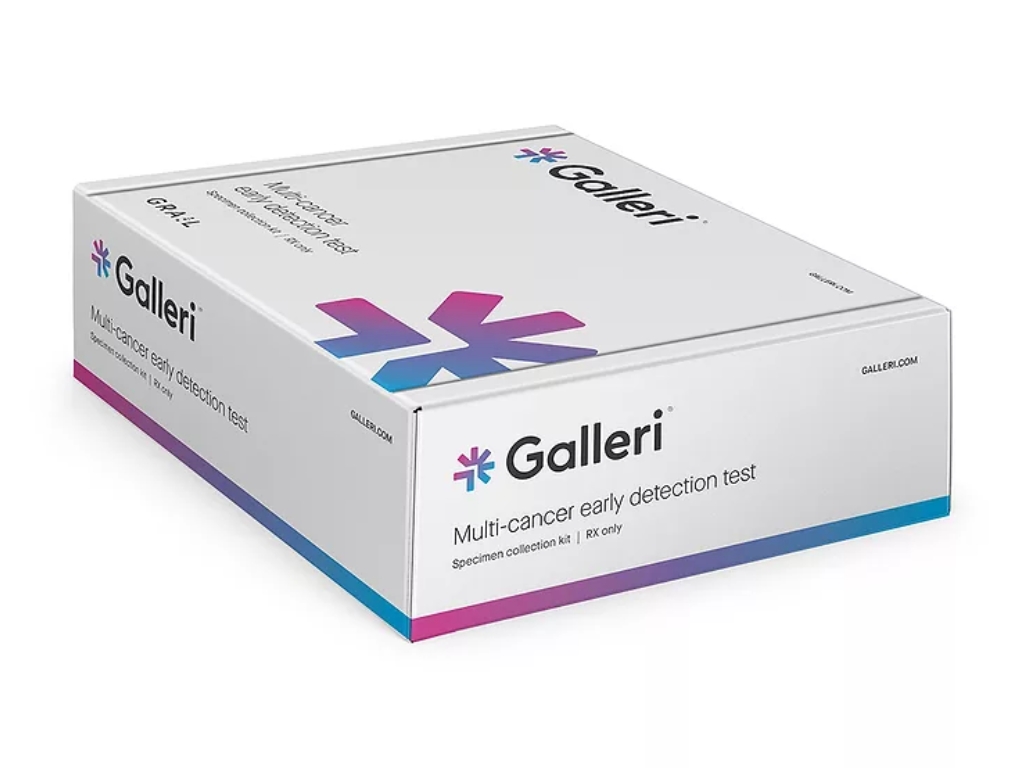
The Galleri® test can screen for a signal shared by more than 50 cancers from a single blood sample. Here is where it came from, how it entered the NHS as a landmark trial, and how you can access the Galleri® test privately in the UK today.
What is the Galleri® test?
The Galleri® test is a multi-cancer early detection (MCED) blood test developed by the healthcare company GRAIL. Instead of looking for one cancer at a time, it analyses the cell-free DNA that cells — including cancer cells — shed into the bloodstream, and reads the methylation patterns on that DNA. Those patterns act like a fingerprint: they can reveal whether a cancer signal is present and, if so, predict where in the body the signal is likely to have come from.
Its significance is that most of the cancers it can detect have no national screening programme in the UK. It is designed to sit alongside — not replace — established checks such as breast, cervical and bowel screening.
A short history of the Galleri® test
The Galleri® test is a relatively young technology, but it sits on top of more than a decade of genomics research. Its development has been rapid, moving from company founding to a nationwide NHS trial in only a few years.
- 2015–2016 — GRAIL is founded in California as a spin-out of the gene-sequencing company Illumina, with the goal of detecting cancer early through the blood.
- 2020 — GRAIL publishes early clinical-validation data for its methylation-based approach, and in November announces a partnership with NHS England.
- June 2021 — the Galleri® test launches commercially in the United States as a multi-cancer early detection test for adults at elevated risk.
- 2021 — the clinical-validation results from the CCGA study are published in Annals of Oncology, establishing the test’s headline sensitivity and specificity.
- September 2021 — the NHS-Galleri® trial begins enrolling participants across England, the world’s first large randomised trial of an MCED test in a screening population.
- July 2022 — enrolment of around 140,000 participants aged 50–77 is completed, making it the largest study of its kind.
- 2023 — Results from the PATHFINDER study are published in The Lancet, reporting real-world performance when the test is added to standard screening.
- 2024 — GRAIL becomes an independent, publicly traded company again after Illumina is required to divest it.
- 2026 — First results from the NHS-Galleri® trial and full results from PATHFINDER 2 are presented at the ASCO Annual Meeting.
The Galleri® test and the NHS
The NHS has taken a serious interest in multi-cancer early detection because it aligns with one of its central ambitions: the NHS Long Term Plan target to diagnose three-quarters of cancers at stage 1 or 2 by 2028. Catching cancer earlier generally means simpler, more effective treatment and better survival — and the UK has historically had lower cancer survival and higher emergency (A&E) cancer presentations than many comparable countries.
To test whether the Galleri® blood test could help close that gap, NHS England partnered with GRAIL and launched the NHS-Galleri trial. More than 140,000 people aged 50–77 were recruited and randomly assigned either to have their blood tested with Galleri or not, with the two groups then compared over several years.
When the first results were presented in 2026, the trial showed that adding the Galleri® test found substantially more cancers than usual care, shifted more diagnoses to earlier stages, and was associated with fewer emergency presentations. Importantly, and to its credit, the trial reported honestly that it did not meet its primary endpoint of a statistically significant reduction in late-stage disease, and that longer-term survival data is still maturing.
In short: the NHS has run the largest MCED study in the world, but the Galleri® test is not yet a routine NHS service. Outside the trial, access in the UK is currently private.
Private vs NHS: how to access the Galleri® test now
This is the question most people arrive with: can I get the Galleri® test on the NHS, or do I need to go private?
At present, the NHS route to the Galleri® test has been the research trial itself — participants could not simply request the test, and the trial has now closed to new recruitment. Until the NHS completes its evaluation and decides whether to adopt the test as a routine screening service, the practical way to have a Galleri test in the UK is privately, through an authorised provider and its partner clinics.
The Health Suite offers the Galleri® test privately in Leicester, in partnership with the first organisation in the UK authorised to provide it. A private pathway means a clinician reviews your suitability and takes consent, your blood sample is analysed in an accredited laboratory, and your results are discussed with you directly — usually within around two weeks.
What the evidence shows
Across the PATHFINDER studies and the NHS-Galleri® trial, the Galleri®test has demonstrated a very high specificity — fewer than 1 in 200 results is a false positive — and a strong ability to predict where a detected cancer signal has come from. Its sensitivity is more modest overall and depends heavily on cancer type and stage: it detects a higher proportion of the most aggressive cancers, and detection rises sharply as cancers advance.
That balance is the honest picture patients deserve: a positive Galleri® result is meaningful and worth investigating promptly, while a negative result is reassuring but does not rule cancer out, and does not replace your usual NHS screening or the need to act on symptoms.
Common Q&A about The Galleri® Multi-Cancer Early Detection Test
Ready to take a proactive approach to your health?
Discover how the Galleri® multi-cancer early detection test works and find out if it could be suitable for you.
The Galleri® Multi-Cancer Early Detection Test
The Galleri® test uses a single blood sample to look for cancer signals across 50+ cancer types.