What Does an Occupational Health Assessment Actually Involve?
- Published:
- Last medically reviewed:
Most people referred for an occupational health assessment do not fully understand what it involves. Many assume it is a form of medical examination. Some assume it is a precursor to dismissal. Almost nobody is told, clearly and in advance, that it is neither of these things.
An occupational health assessment is a structured clinical consultation designed to evaluate the relationship between a person’s health and their capacity to work. Its purpose is not to diagnose or treat illness, but to answer a more specific question: ‘given what this person’s health looks like right now, what can they safely and sustainably do in the context of their particular job, and what support would help them do it.’
That question has significant consequences, which is why understanding what an occupational health assessment actually involves, and why it matters clinically, is the starting point for using it effectively.
What Is an Occupational Health Assessment?
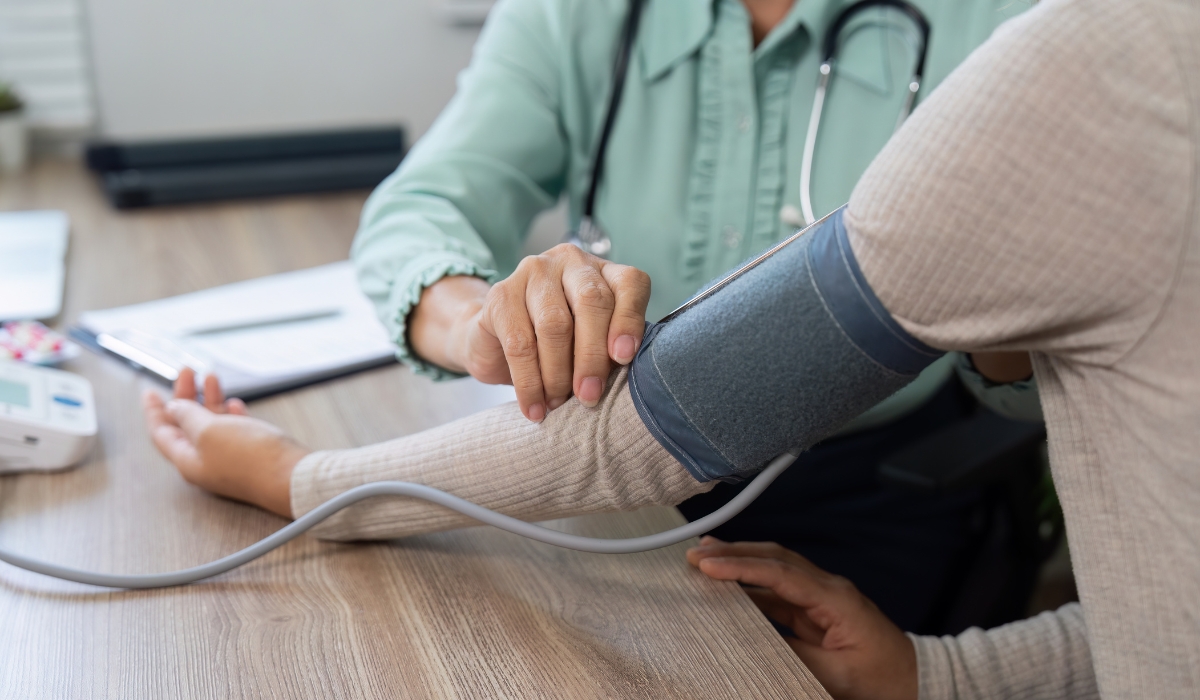
An occupational health assessment is a test conducted by a qualified occupational health physician or nurse and focuses specifically on function rather than diagnosis.
Where a GP is concerned with identifying and treating illness, an occupational health clinician is concerned with the practical interface between that illness and the demands of a specific working role.1
The two forms of clinical input are complementary rather than interchangeable, and the most useful occupational health assessment addresses territory that a GP report is not designed to cover. The Faculty of Occupational Medicine has highlighted that early referral to occupational health significantly reduces both the duration and the recurrence of sickness absence by identifying the specific factors sustaining the absence and addressing them before they become entrenched.2
Building on this, an independent review of the UK sickness similarly concluded that minimal delay in assessing an individual’s capacity to work is one of the foundational principles of an effective sickness absence system. The review stated that too many people were moving from short-term absence into long-term health-related inactivity for lack of timely clinical support.3
Why Are Occupational Health Assessments Undertaken?
There is robust evidence, established in an independent review commissioned by the Department for Work and Pensions, that work is generally good for physical and mental health, and that prolonged worklessness is associated with poorer outcomes across multiple domains.4
Additionally, research published in the International Archives of Occupational and Environmental Health confirms that the probability of a successful return-to-work intervention decreases the longer someone remains absent, with return rates declining consistently over time.5
The occupational health assessment, at its best, is the mechanism that interrupts that decline before it becomes permanent.
The scale of the challenge in the UK is considerable. An estimated 148.8 million working days were lost to sickness or injury in 2025, at an average of 4.4 days per worker, a figure that remains above pre-pandemic levels.6
How Does a Referral For An Assessment Happen?
Referrals to occupational health are made in a wide range of circumstances that reflect the breadth of situations in which health and work intersect. The most common triggers are prolonged or recurrent sickness absence, a return to work following serious illness, or injury and surgery.
Beyond this, concerns about whether someone can safely perform the specific demands of their role, and situations where a health condition may meet the legal definition of a disability under the Equality Act 2010, may prompt an employer based on their statutory duty to consider and implement reasonable adjustments.7
Referrals are also appropriate where work-related factors are affecting an individual’s health, where underlying health issues may be contributing to performance concerns, or where long-term or frequent sickness absence has become a pattern. They may equally be made proactively, before a health problem has escalated into absence. Pre-employment medicals, role-specific fitness assessments such as those required for HGV drivers, DSE assessments for employees reporting screen-related health concerns, and structured workplace health surveillance programmes all involve occupational health input at an earlier, preventive stage.
It is equally worth noting that referral does not always need to originate from an employer. Occupational health services, including The Health Suite, accept self-referrals, allowing individuals to access an independent assessment without requiring a management referral to initiate the process.
What Happens at the Appointment?
Most occupational health appointments follow a recognisable structure regardless of whether they are conducted face-to-face, by telephone, or via video consultation, and typically last between thirty minutes and an hour.
Before the appointment, the individual is asked to complete a pre-assessment health questionnaire covering their medical history as it is relevant to their work, allowing the clinician to prepare and the appointment to focus on the questions that matter most.
During the assessment, the clinician will discuss:
- The individual’s current job role and its physical, cognitive and emotional demands
- Health conditions or symptoms being managed and how they affect the individual’s day-to-day functioning at work
- What has already been tried in terms of support or adjustment for the individual
- And what would realistically make a sustainable difference for the individual.
Targeted clinical checks such as hearing tests, vision screening, lung function assessments or musculoskeletal evaluations may be included where the nature of the role or health history makes them relevant, but these are not a routine part of every occupational health assessment.1
What to Bring and How to Prepare?
There is no single formula for preparation, but arriving with a clear account of a role and how health is affecting it makes the consultation more productive.
It can help to think through which specific tasks have become difficult, what has already been tried, and what would genuinely be needed to return to or sustain work.
For those with a long-standing or complex condition, a brief written summary can help focus the clinical discussion. Individuals are entitled to bring a companion to the appointment, though the companion does not typically take part in the clinical discussion itself.
What Does the Report Contain?
Once the assessment is complete, the clinician produces a written report addressed to the referring employer.
The report answers the referral questions in work-focused terms, including:
- Likely prognosis
- Fitness for work with or without adjustments
- Specific recommended adjustments
- And suggested review points.1
It is then up to the employer to decide whether to implement the recommendations, informed by the needs of the organisation and their legal obligations. Where a potential disability is identified, employers are required by law to make reasonable adjustments, and their decision should reflect this obligation.7
Recommended adjustments commonly include phased return to work, modified or temporarily reduced duties, changes to working hours or shift patterns, ergonomic or equipment changes, and access to physiotherapy, psychological support or other specialist services where indicated.
Evidence published in iOH, the journal of the Association of Occupational Health and Wellbeing Professionals, found that multifaceted occupational health interventions such as these have demonstrated effectiveness in reducing both absence duration and the risk of recurrence.8
Occupational Health Assessment at The Health Suite
Occupational health is most effective when it is timely, accessible and focused on practical outcomes rather than process. At The Health Suite, our occupational health assessments – with same-week appointments – are available to employers through business contracts and to individuals who prefer to self-refer, without the need for a management referral.
Our experienced clinical team provides thorough, confidential assessments with reports that give employers clear and actionable guidance, support their obligations under employment and equality law, and give individuals a clear and honest account of where they stand.
Occupational Health
Private Occupational Health services in Leicester. Expert HSE compliance medicals, employee health surveillance, and GP-led return-to-work reporting.

Occupational Health Physical Examination
Clinician-led health surveillance and fitness-for-duty assessments for your workforce today.
Occupational Health Referrals
Private occupational health referrals in Leicester. Fast independent GP assessments, return-to-work advice, and robust manager fitness reporting.